Classic yachts for sale.
Verified classic and vintage sailing yachts, motor yachts and wooden boats from vetted brokers across Spain, France, Italy, Croatia and Greece. Pedigree designs and restoration projects alike — every listing verified, every broker vetted, no lead-generation pay-walls.
Classic yacht inventory across the Mediterranean.
Italy and France hold the deepest classic and wooden-yacht inventory, with strong restoration trades in Liguria, the Côte d'Azur and the northern Adriatic. The map below reflects current verified classic inventory across our broker network.
Buying a classic yacht in the Mediterranean.
The classic yacht market runs on different rules from the production market. Length barely predicts price; condition, provenance and restoration quality do. A pedigree design by a renowned naval architect or yard — fully documented and sympathetically restored — can exceed the price of a modern equivalent, while an unrestored project of similar size sells for a fraction. The Mediterranean, with its mild climate and deep restoration trades in Italy and France, is the natural home of the European classic fleet.
The decisive variables are structural condition, documented provenance, and restoration quality. A specialist survey is essential: a general surveyor can miss timber rot, fastening failure or non-original repairs that separate a sound classic from a costly project. Wooden hulls reward maintenance and punish neglect — go in with a clear, costed plan.
For most buyers, a sound, recently surveyed classic that is ready to sail is a better decision than a project: restoration routinely exceeds budget and timeline, and often the finished value. Buy a project only if the process itself is the point. Our buying guides cover survey, registration and the closing process.
Classic yachts for sale by type.
From pedigree sailing yachts to gentleman's motor yachts, wooden boats and restoration projects. Each filters live marketplace inventory.
Classic sailing yachts
Classic cruisers, gaffers, ketches and pedigree designs. Wooden and early-GRP construction, recognised designers and yards.
Browse →Classic motor yachts
Gentleman's motor yachts, classic cruisers and vintage launches. Timber and riveted-steel hulls.
Browse →Wooden boats
Carvel, clinker and cold-moulded wooden yachts for sympathetic owners and restorers.
Browse →Restoration projects
Classics needing work, for owners with the skills, the time or a trusted yard. Buy with a costed plan.
Browse →Classic yachts for sale right now.
38 verified classic yachts currently listed across the Mediterranean by vetted brokerages. Showing the 24 most relevant — see all on the marketplace.
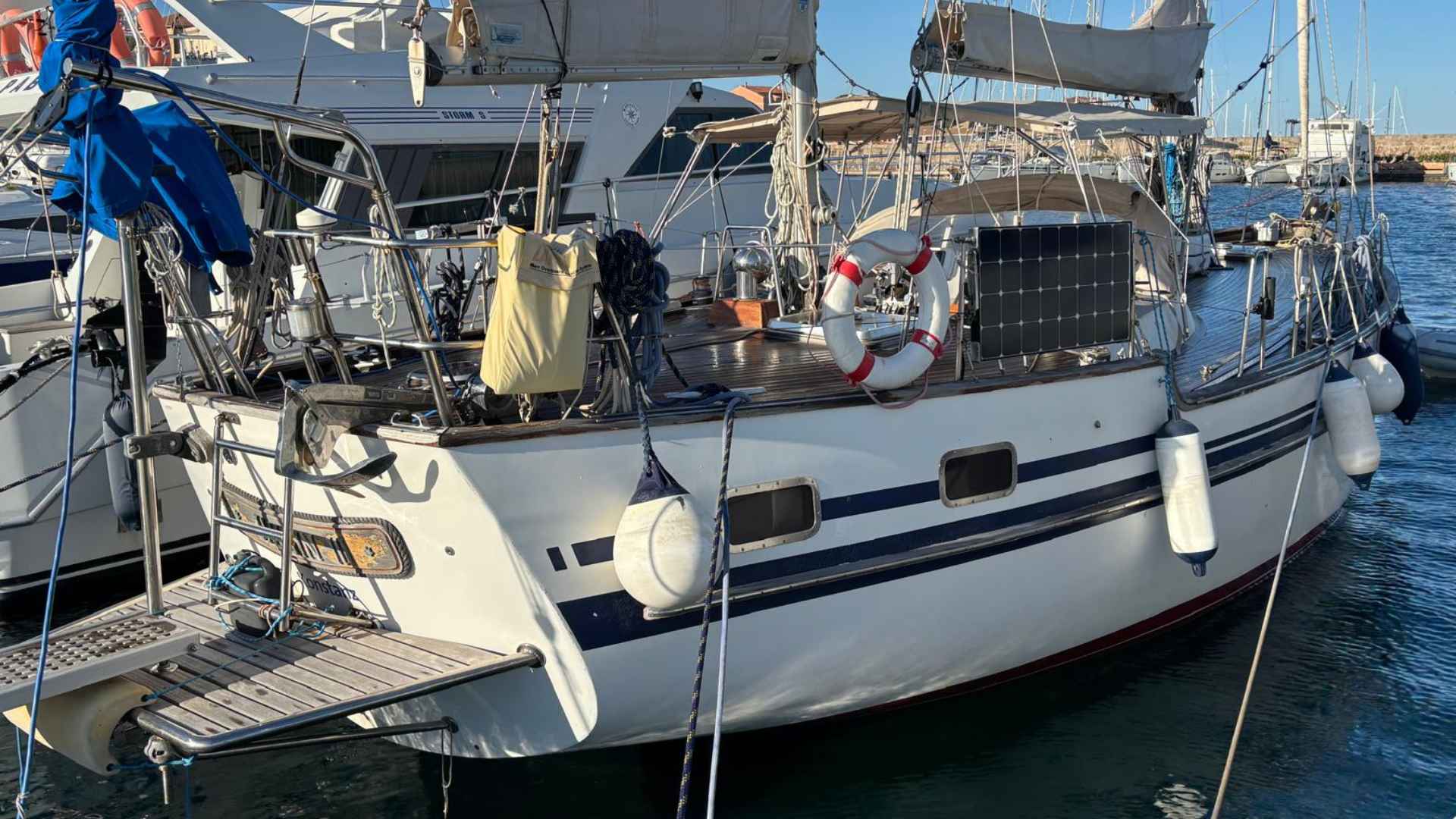
Vindö 90 for sale 1978
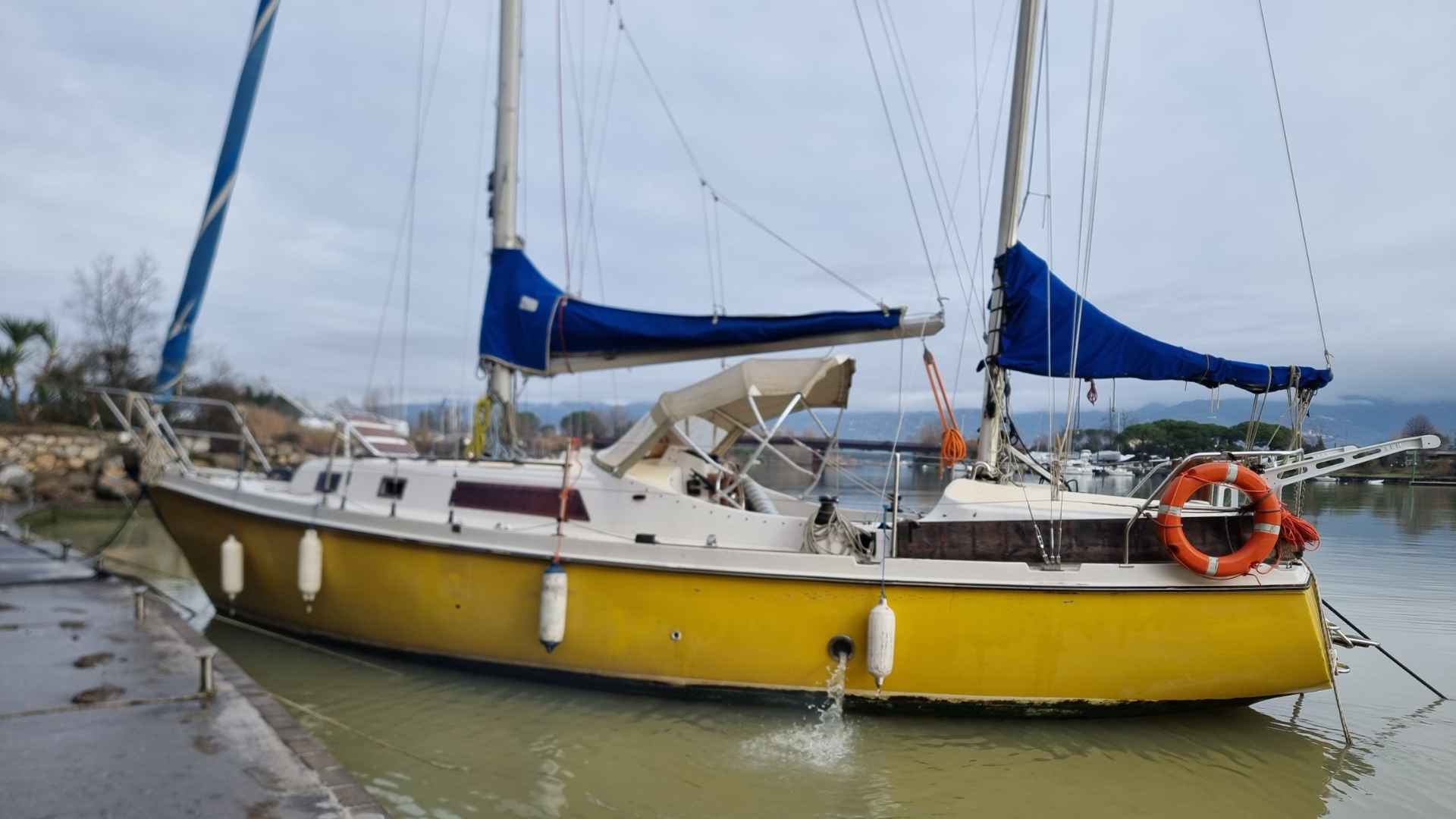
Vagabond 33 Ketch For Sale 1980
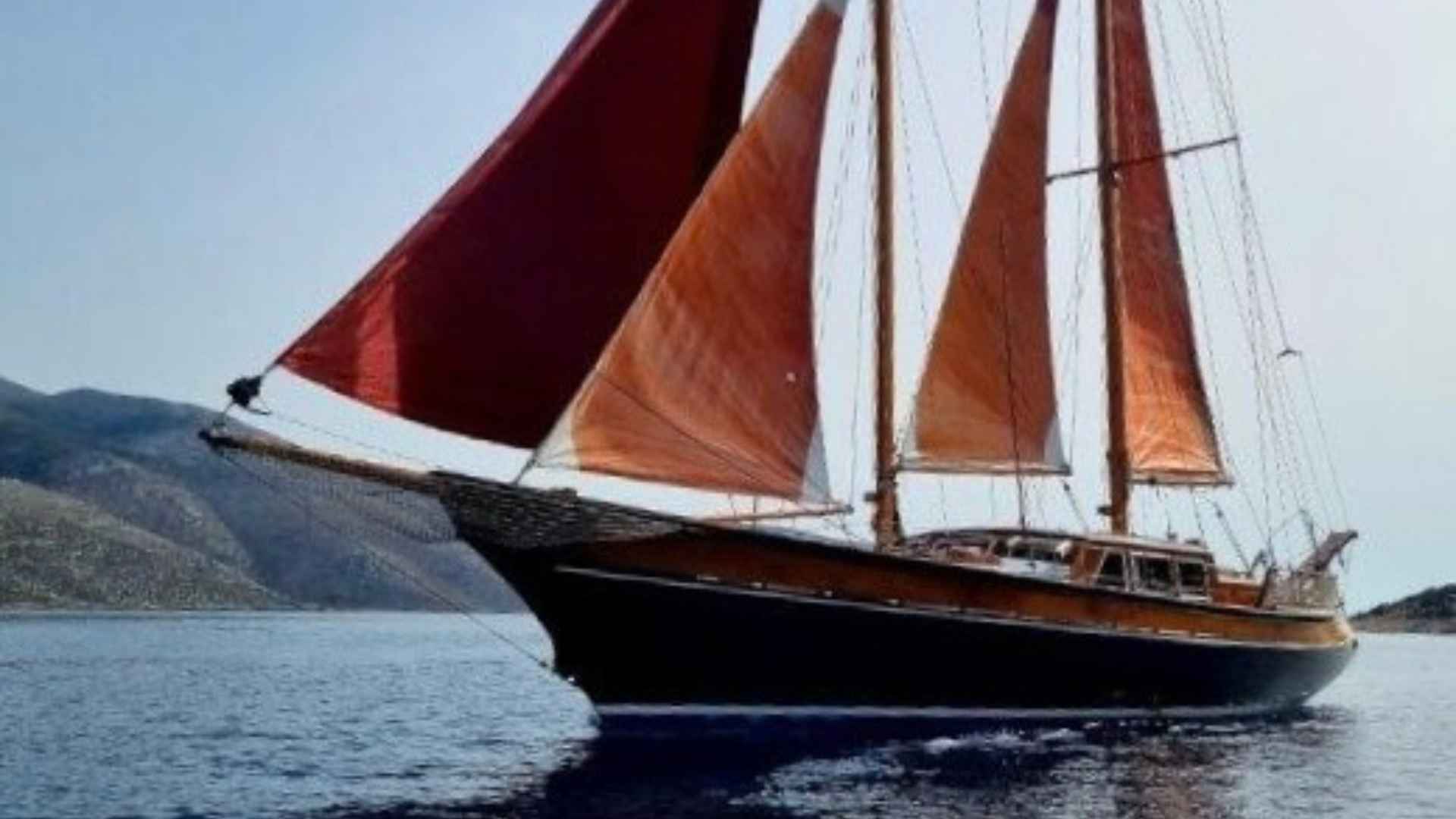
Classic Schooner for sale 1982
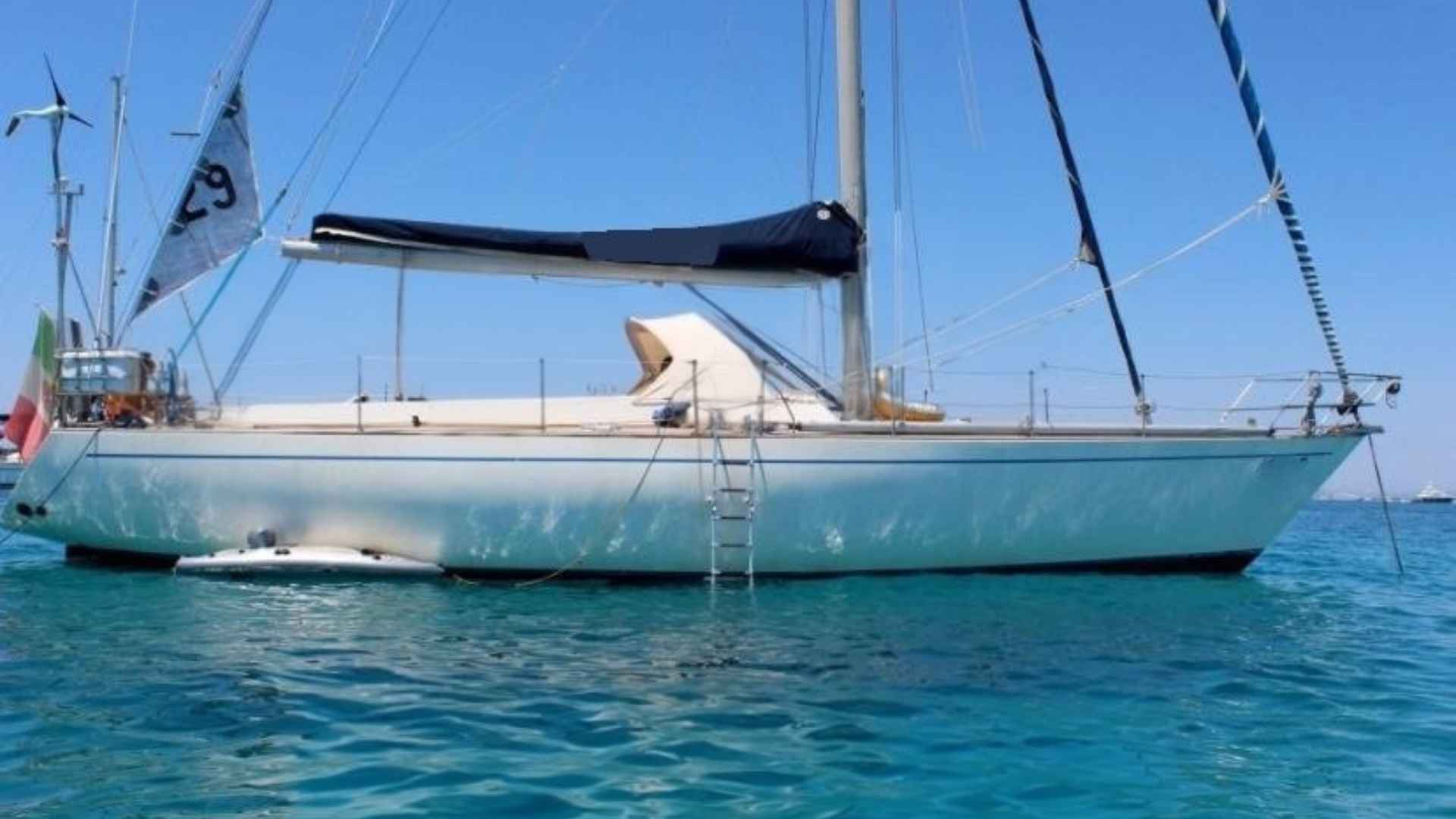
Vagabond 53 For Sale 1984
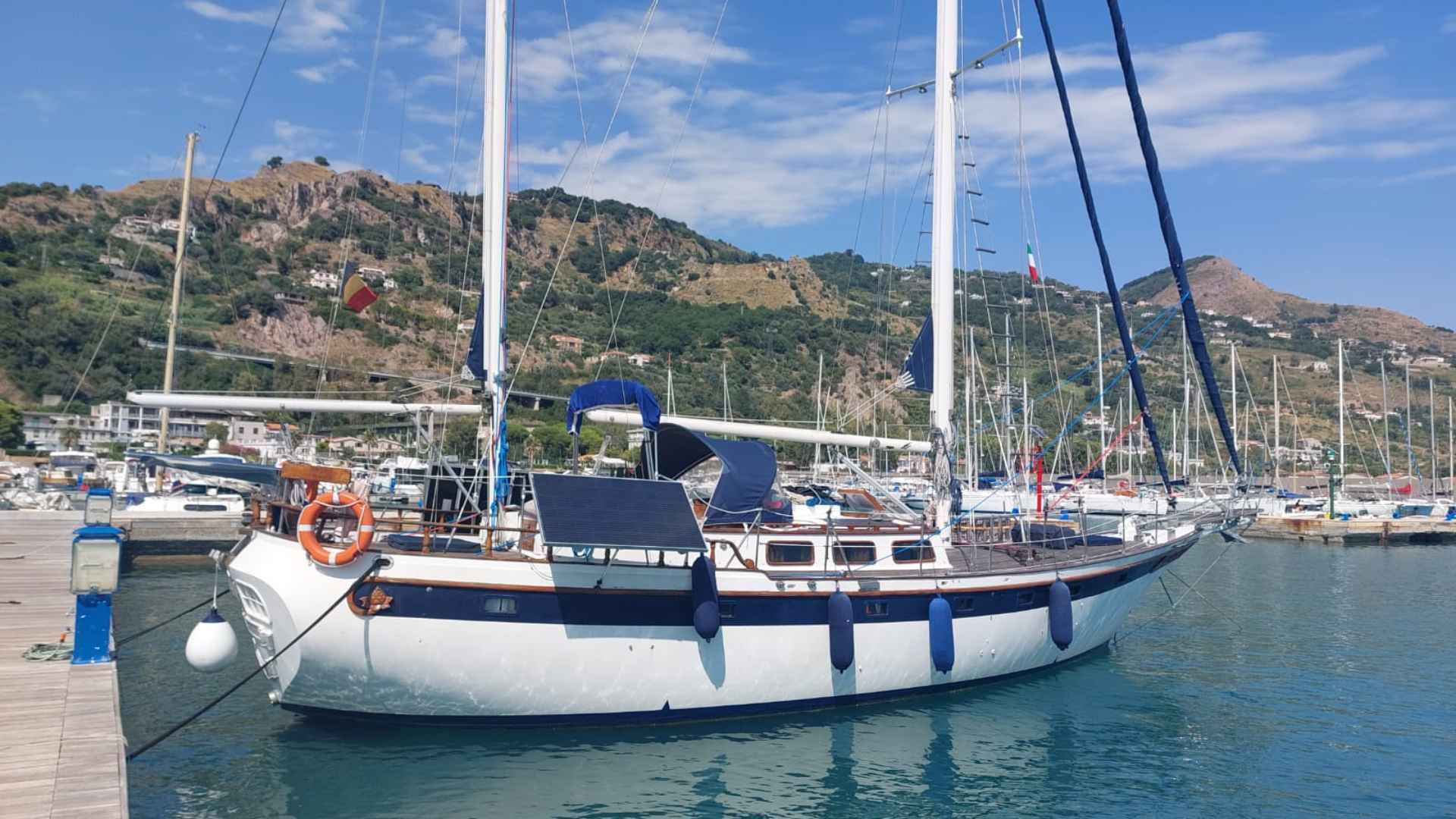
Formosa 47 for sale 1984
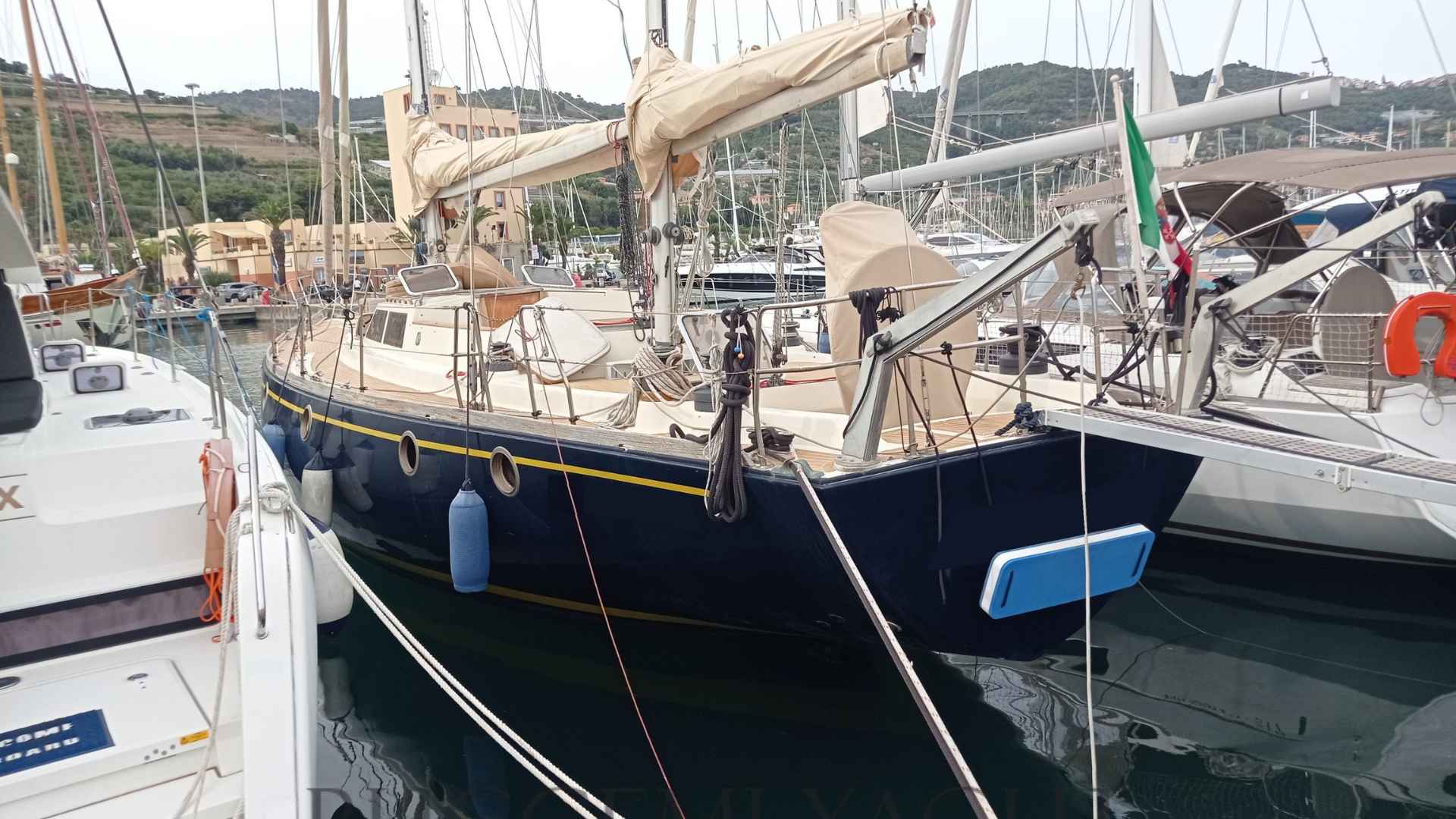
Adria Ketch 56 for sale 1984
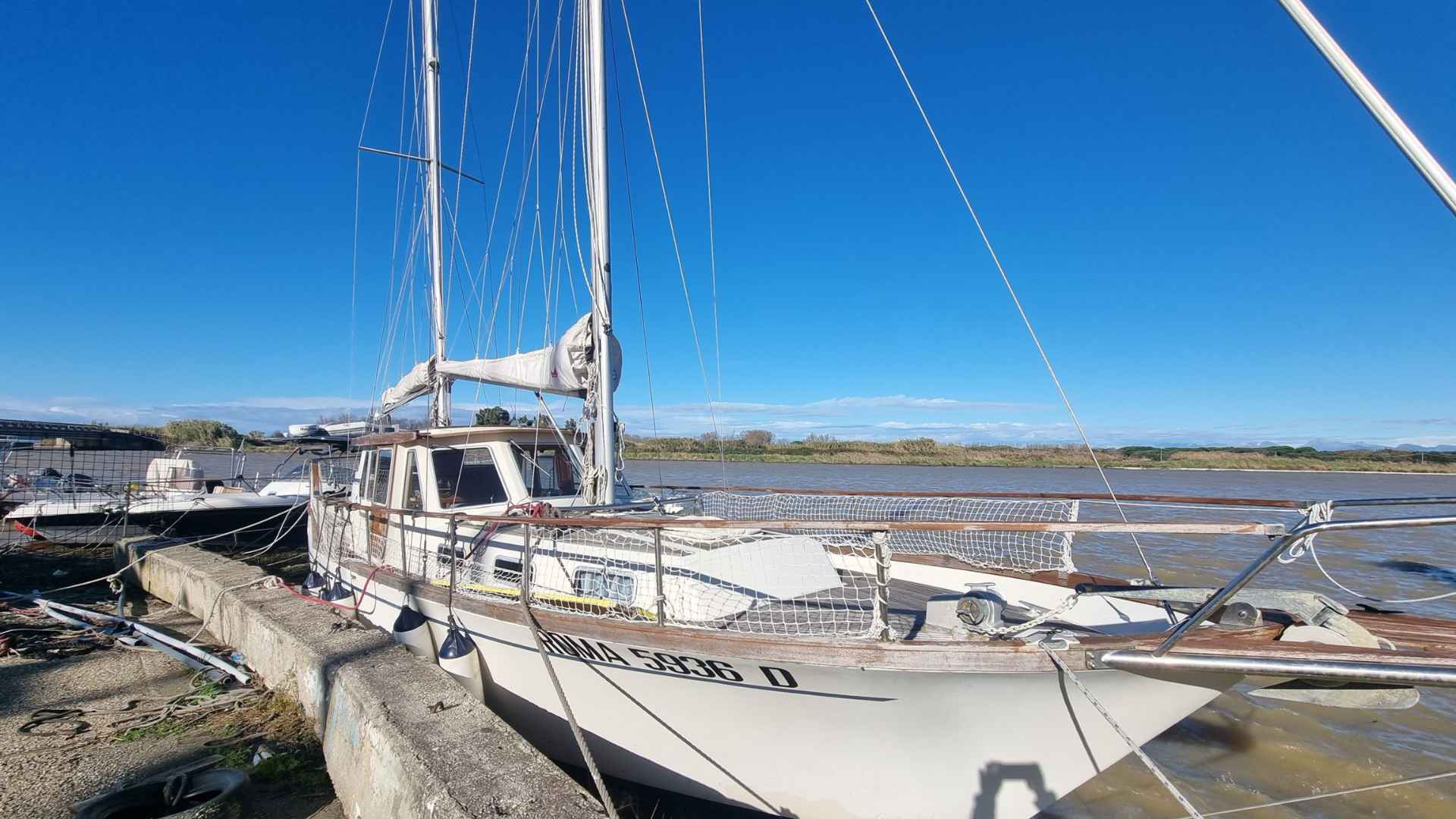
Nauticat 36 Ketch For Sale 1985
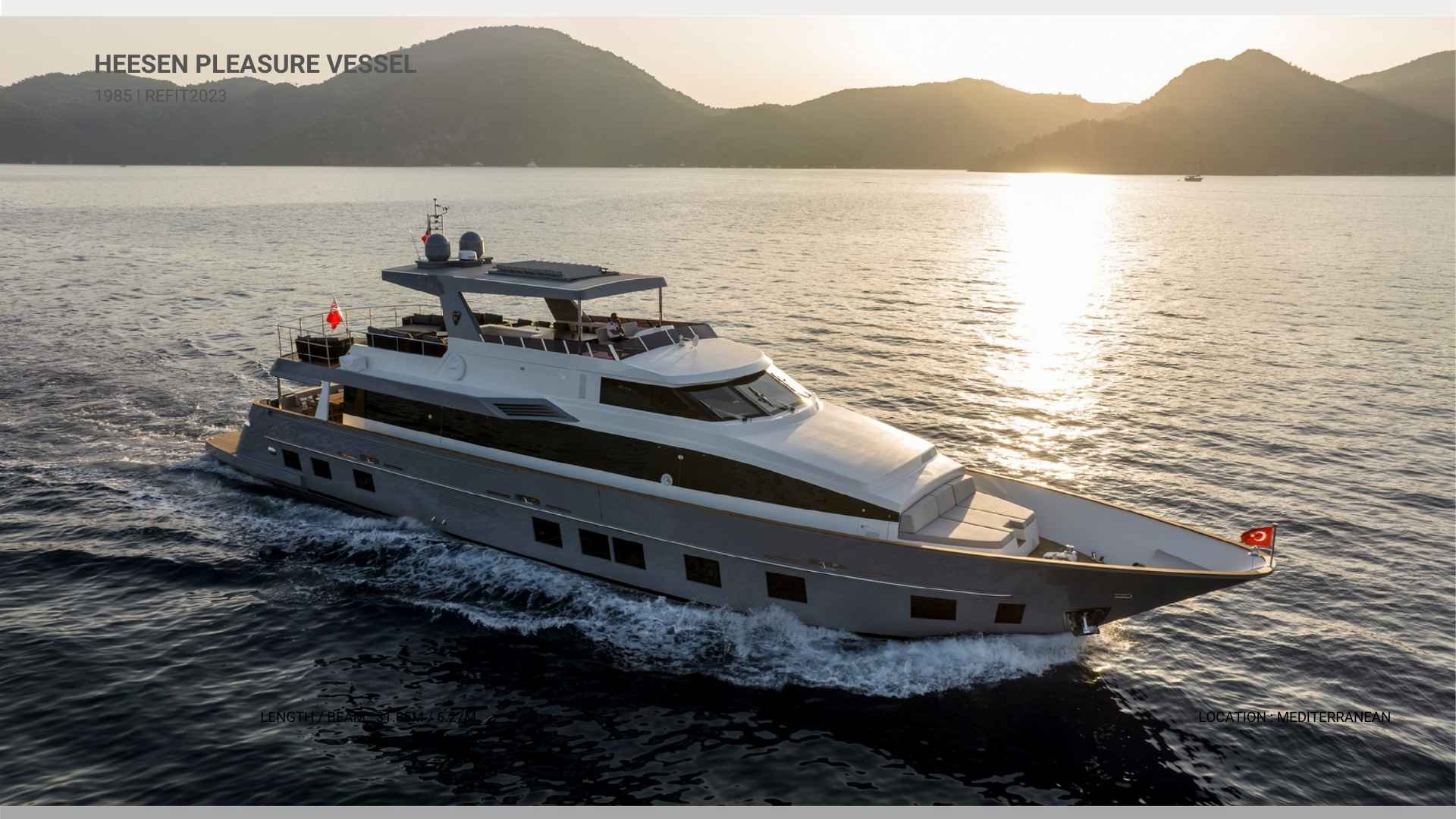
Heesen Pleasure Vessel for sale 1985
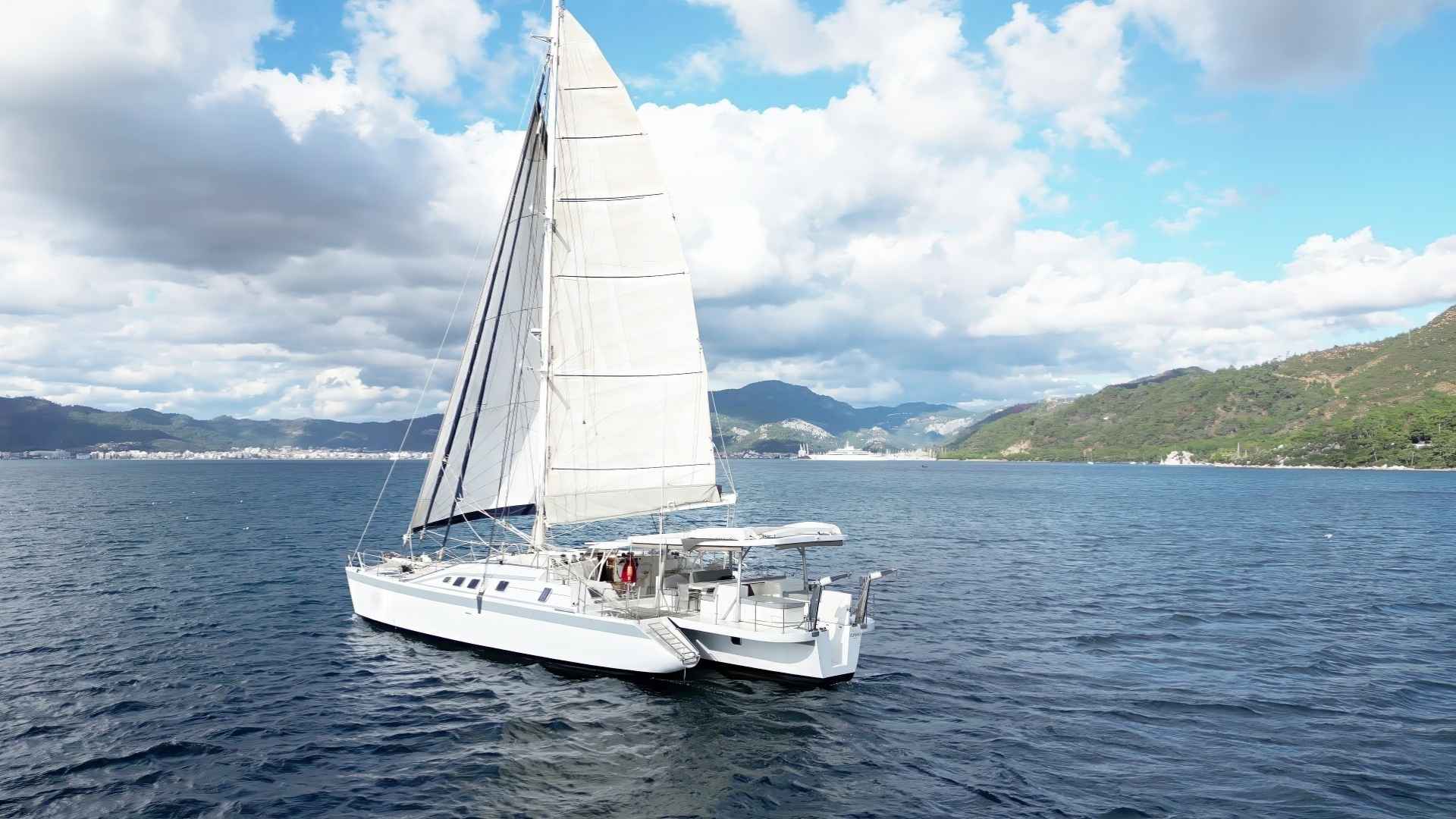
Trimaran 78 for sale 1988
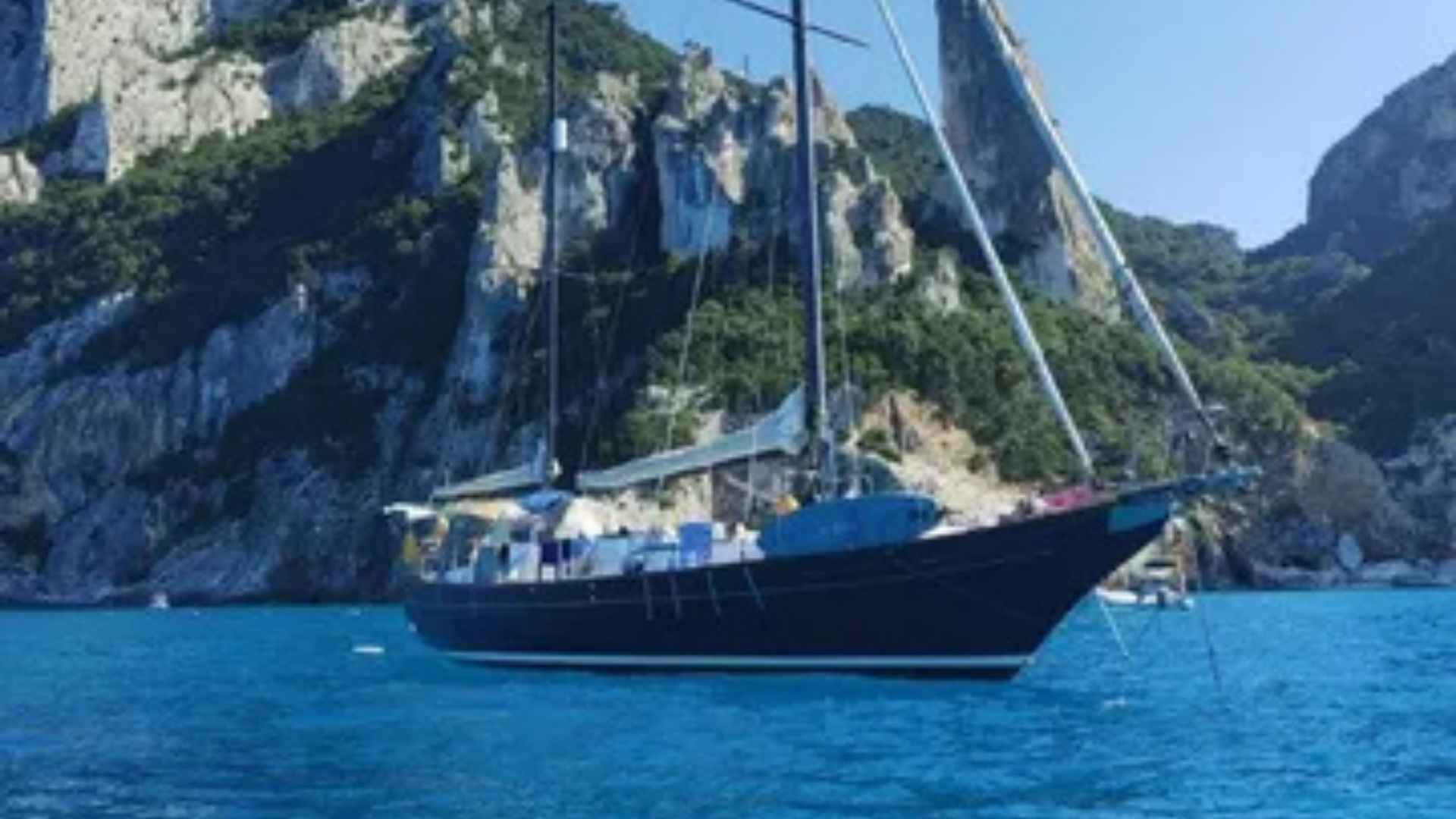
Reliant 49 for sale 1989
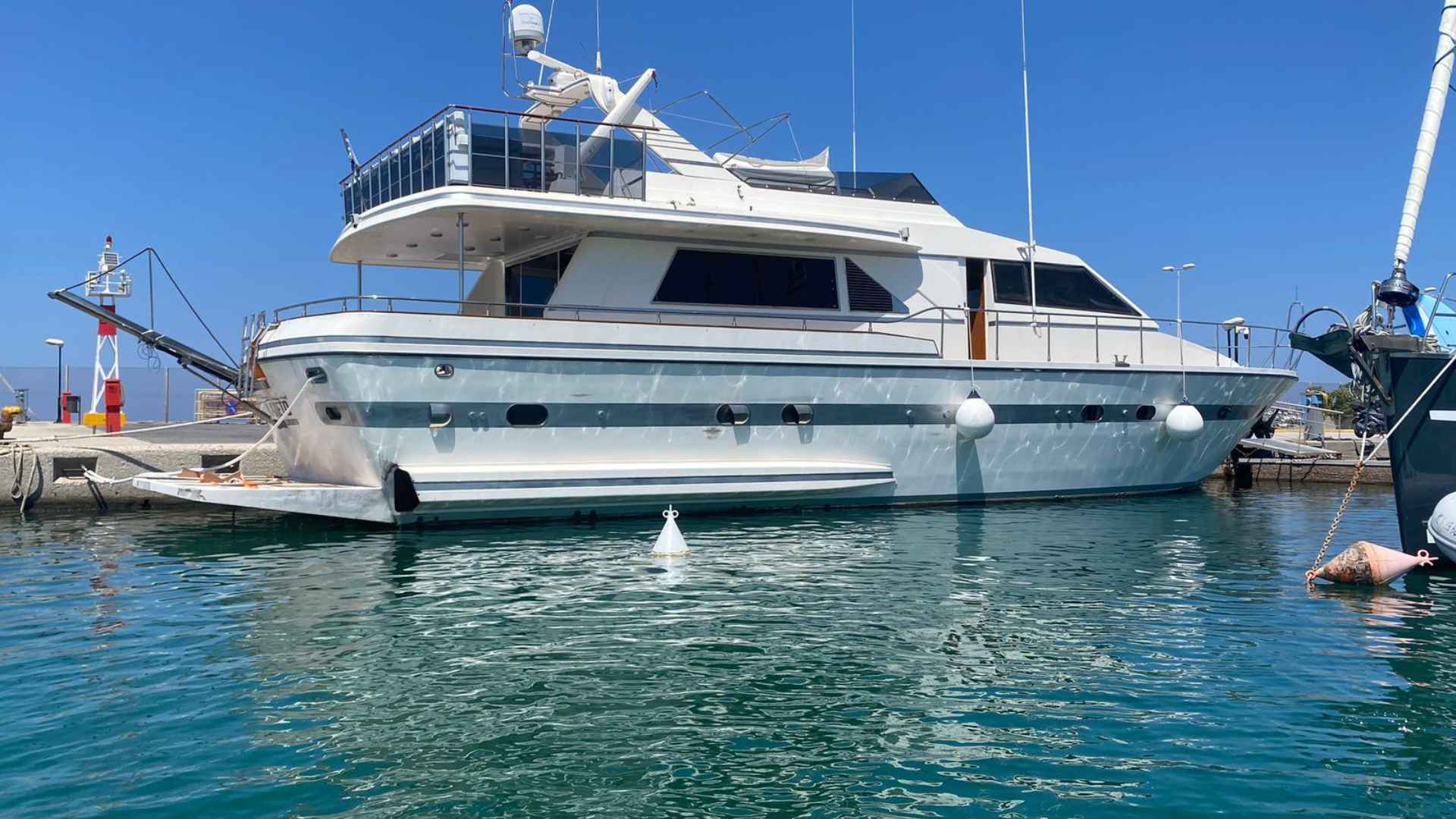
Falcon 76 for sale 1989
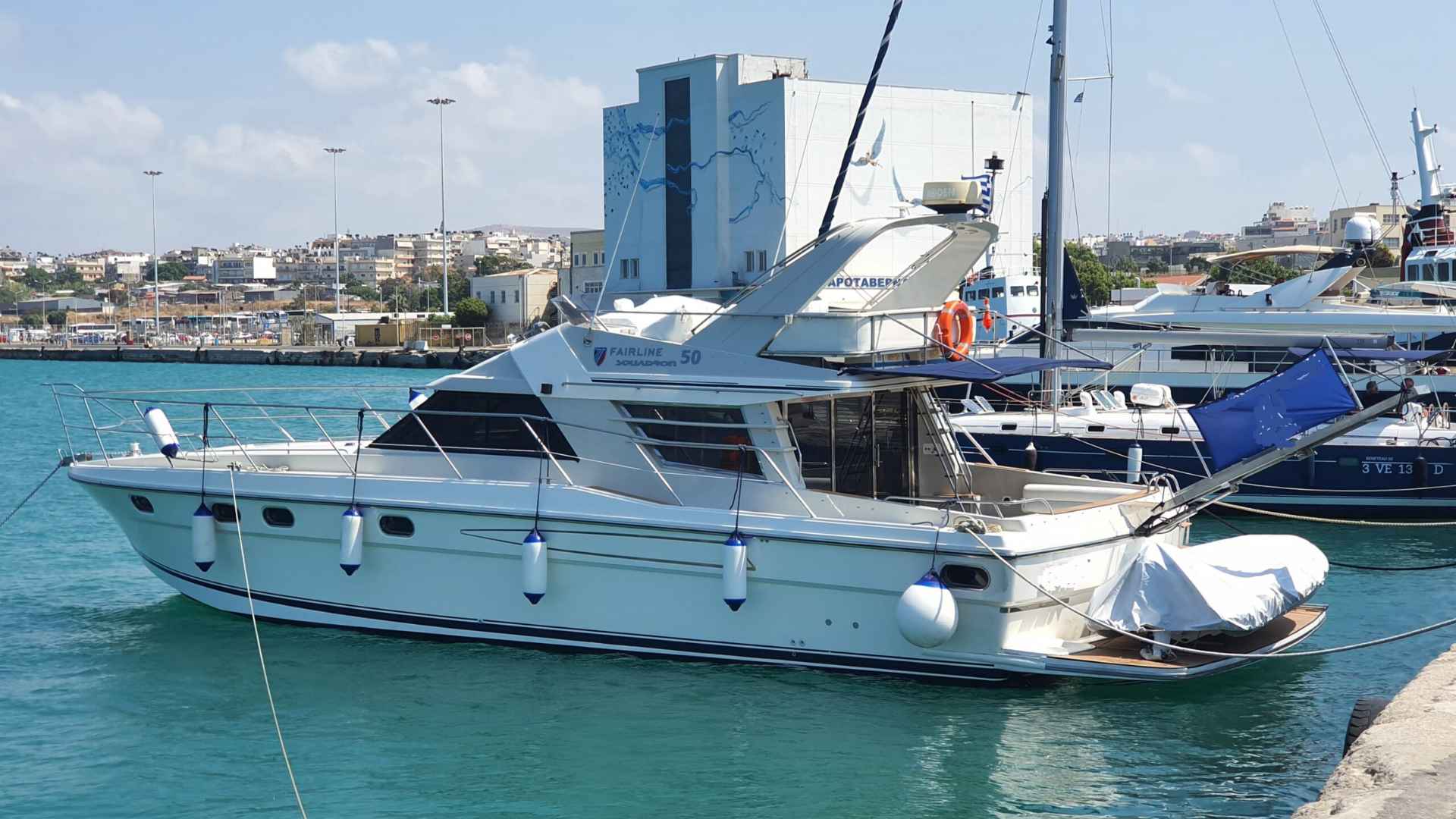
Fairline Squadron 50 Fly for sale 1990
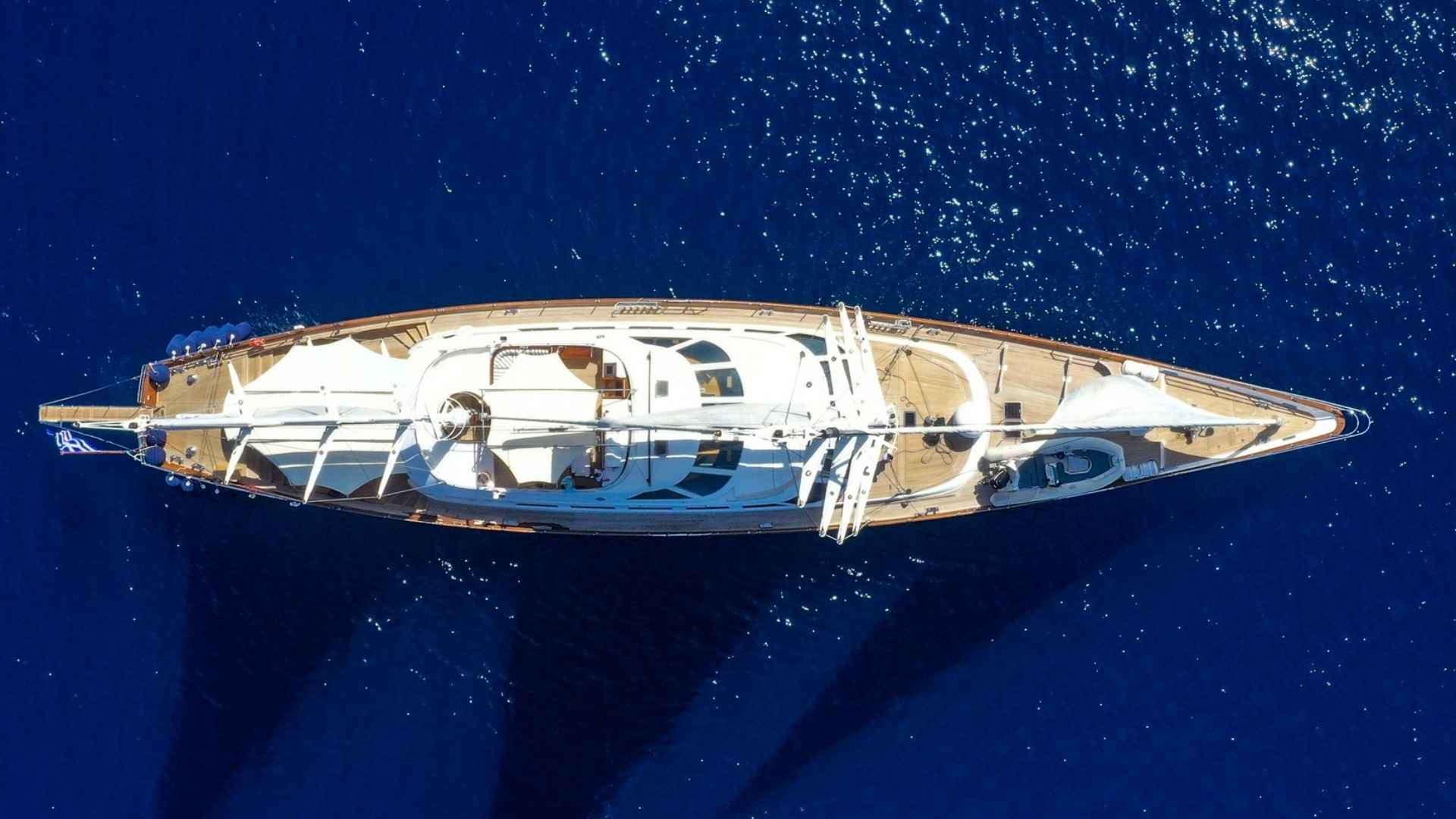
Perini Navi 46 for sale 1991
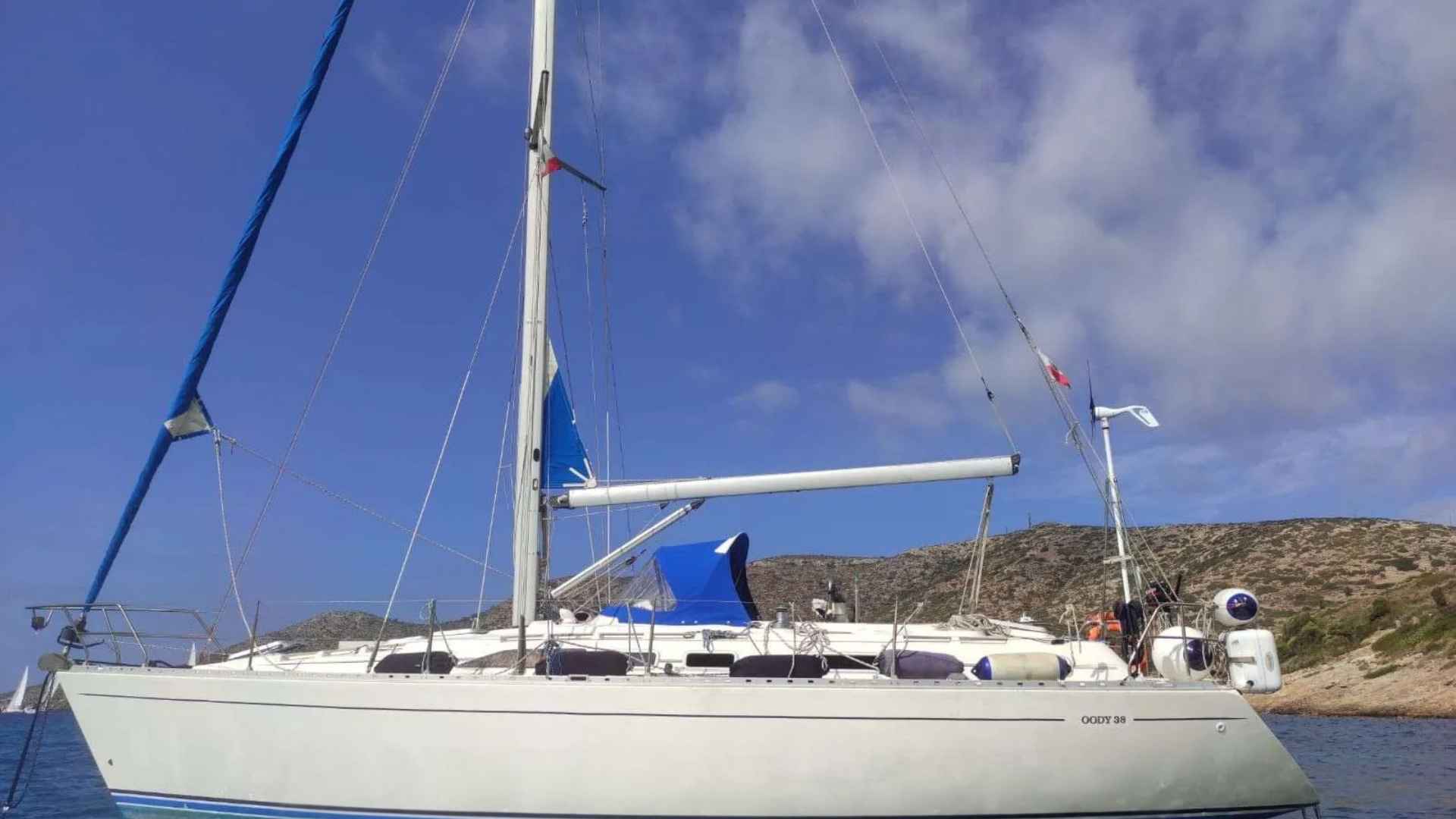
Moody 38 CC For Sale 1993
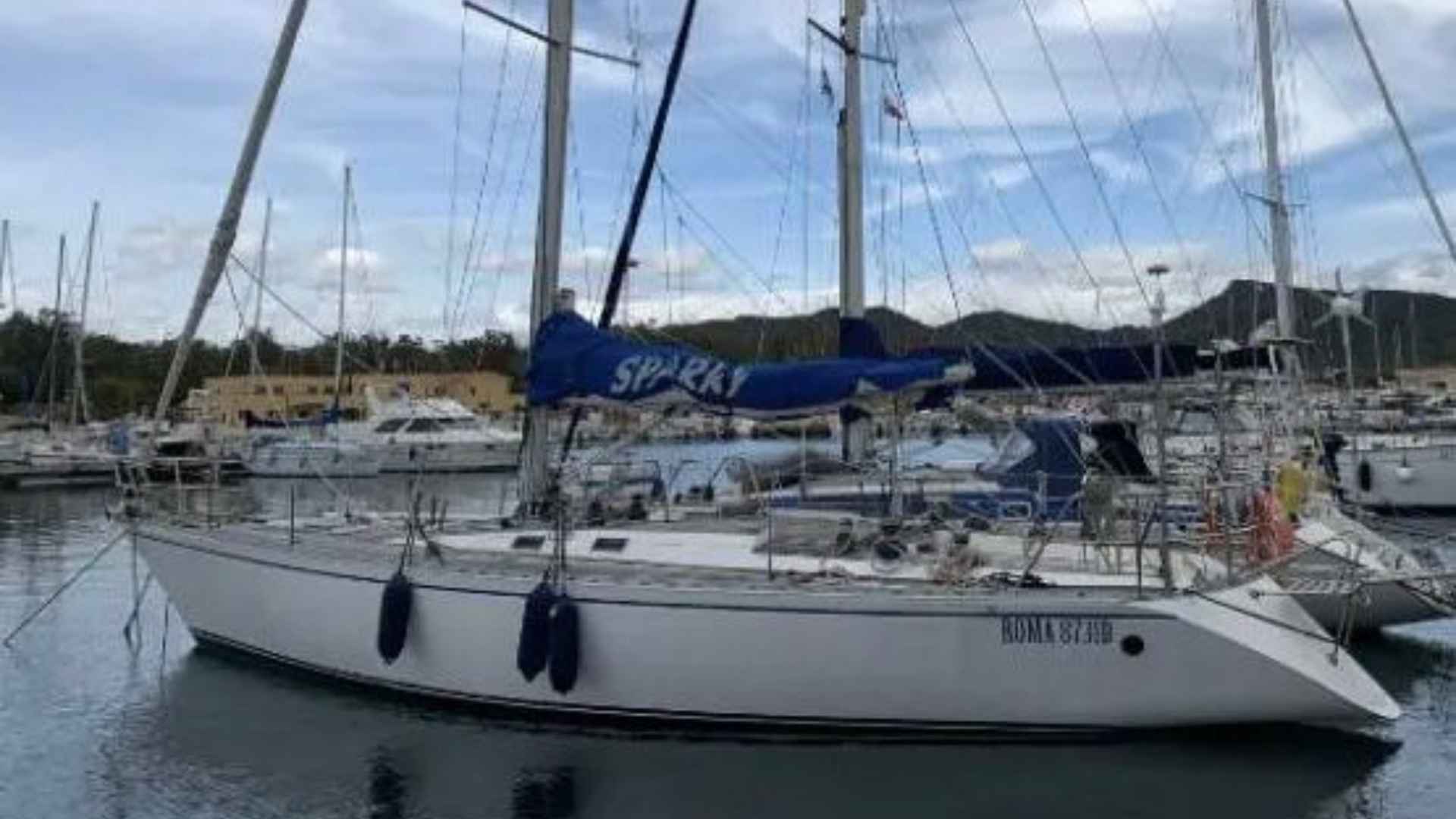
Morgante Biaisi for sale 1993
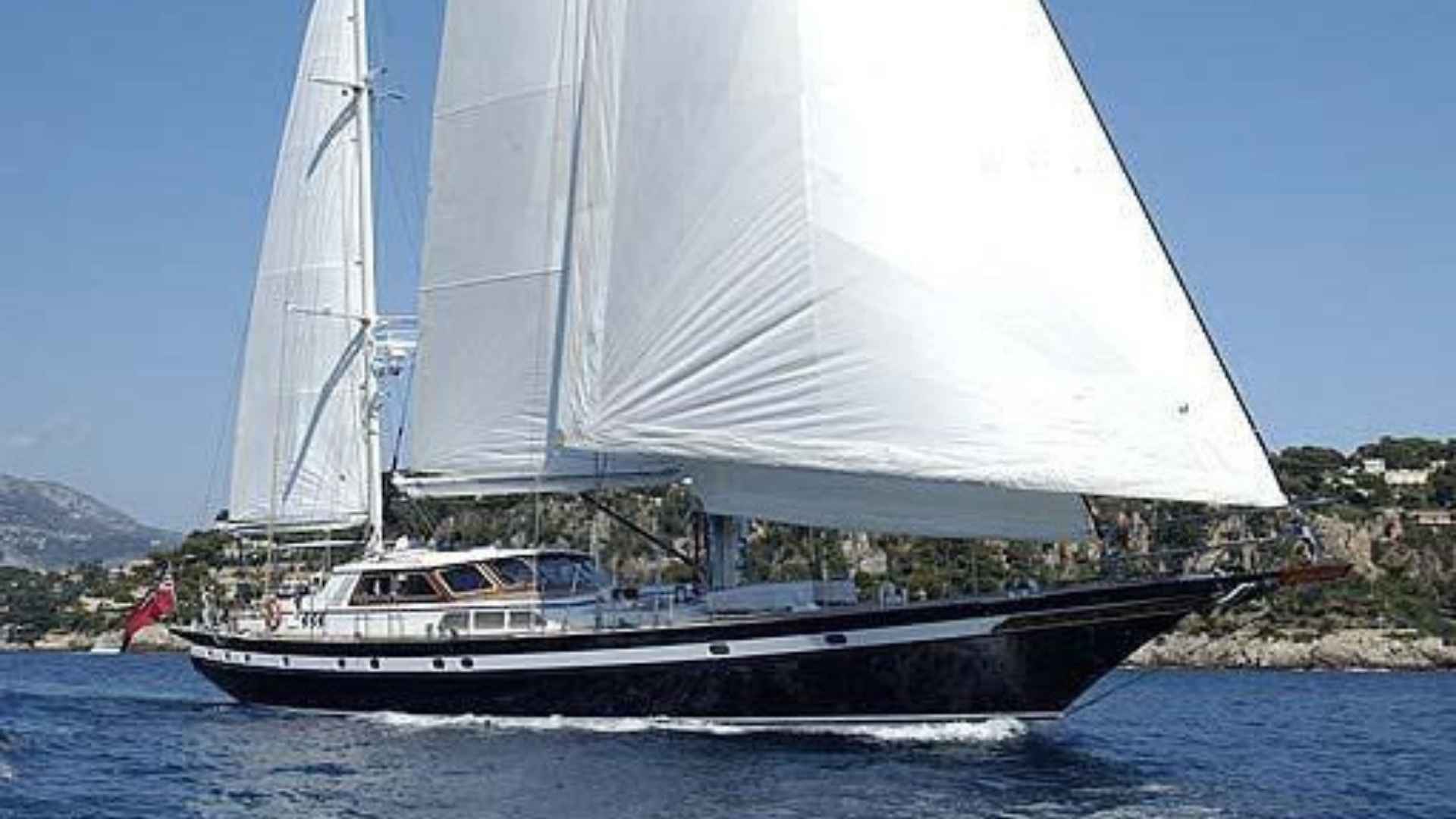
Ketch Rig Jongert 30 for sale 1996
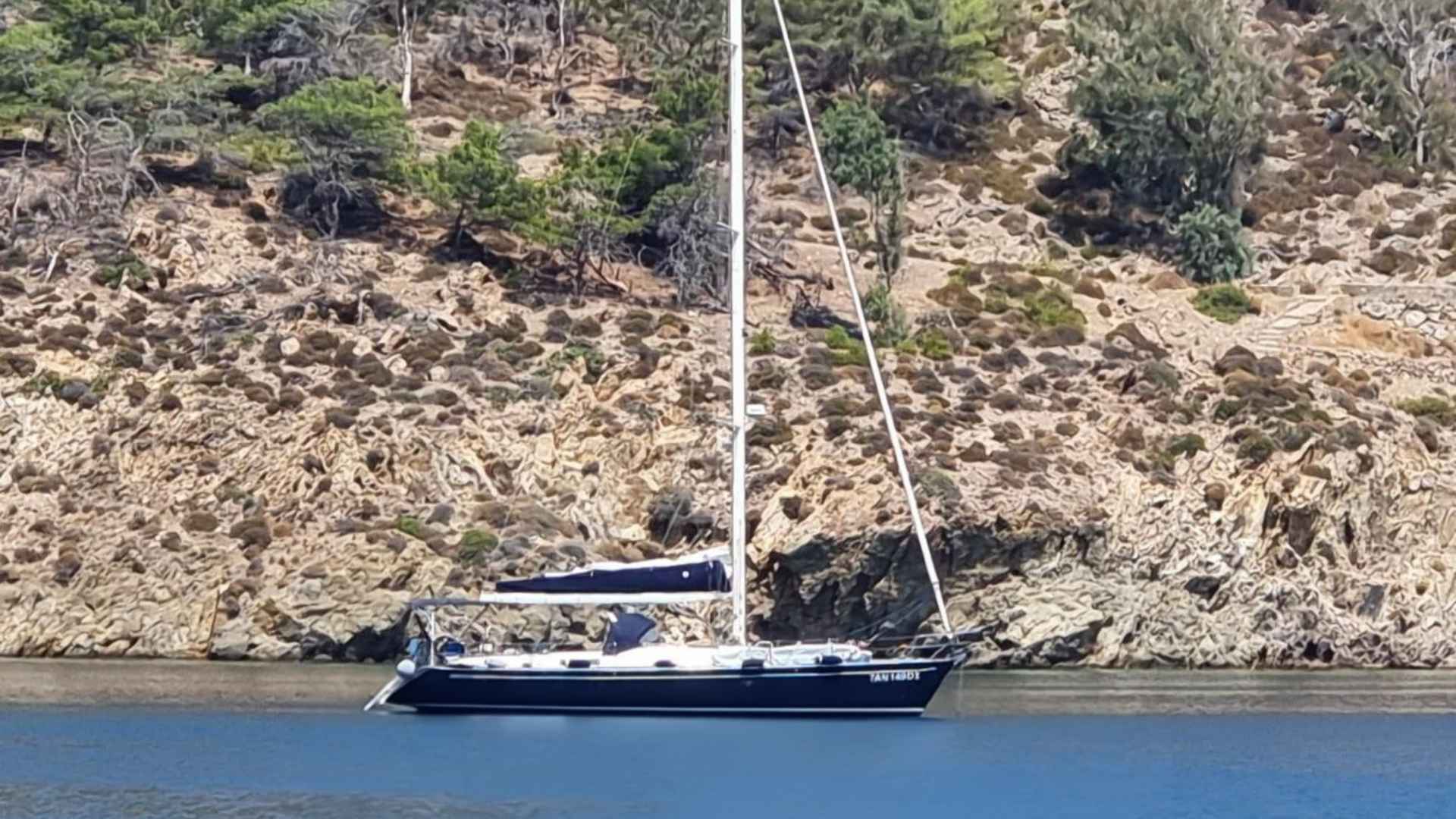
Comar Phoenix 50 For Sale 1997
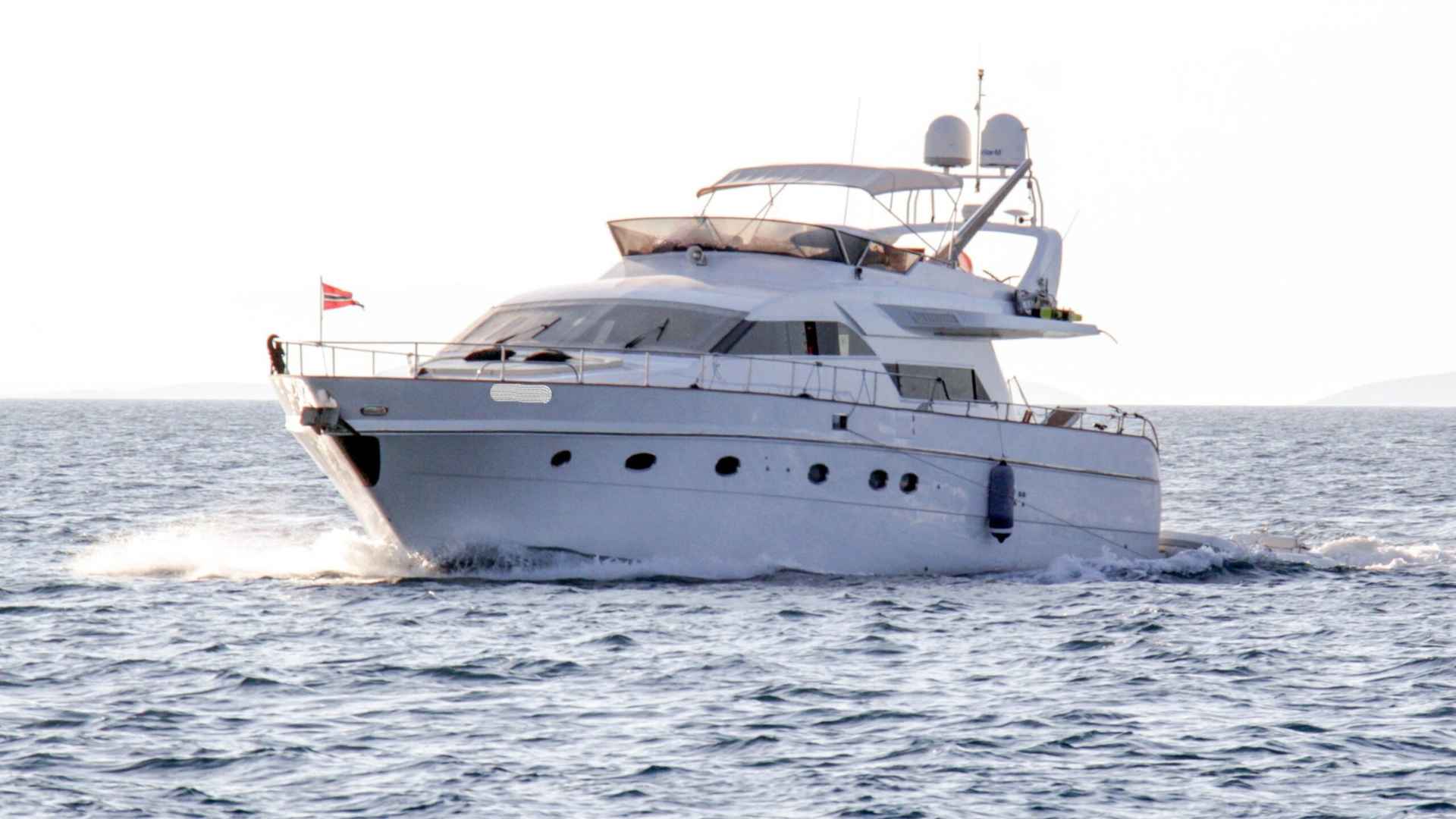
Gianetti 68 Fly for sale 1997
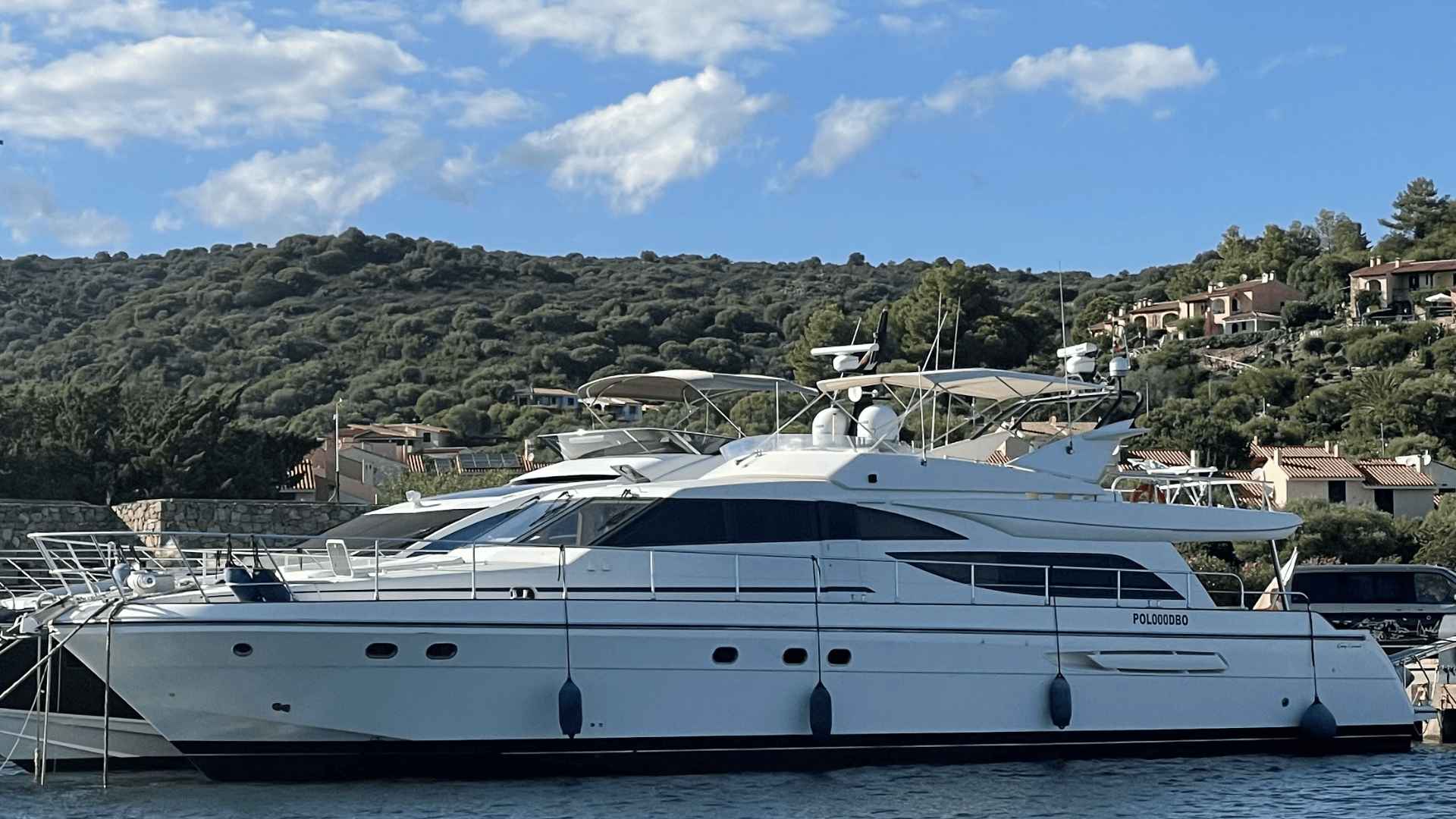
Guy Couach 2100 for sale 1998
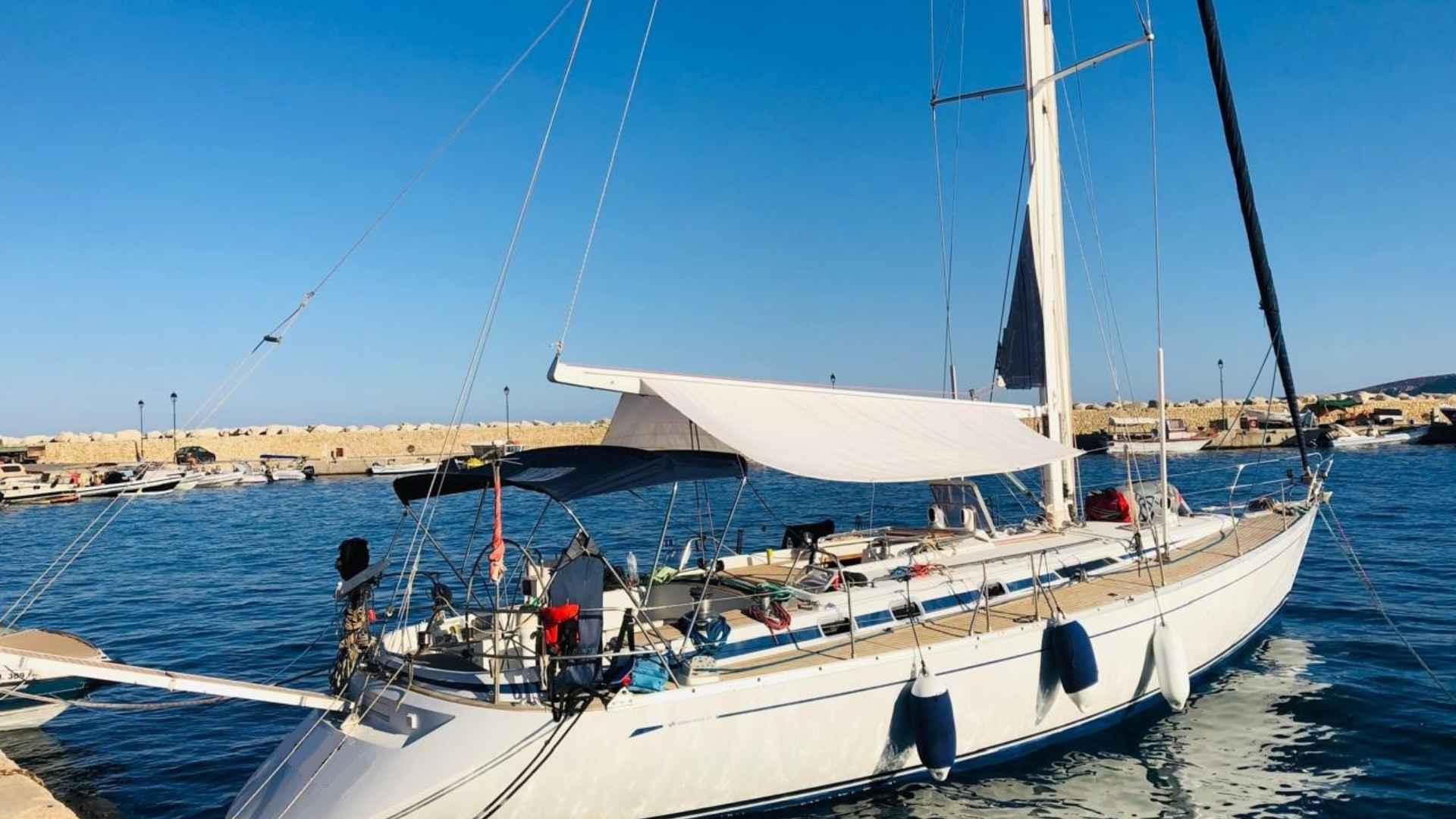
Grand Soleil 50 for sale 1998
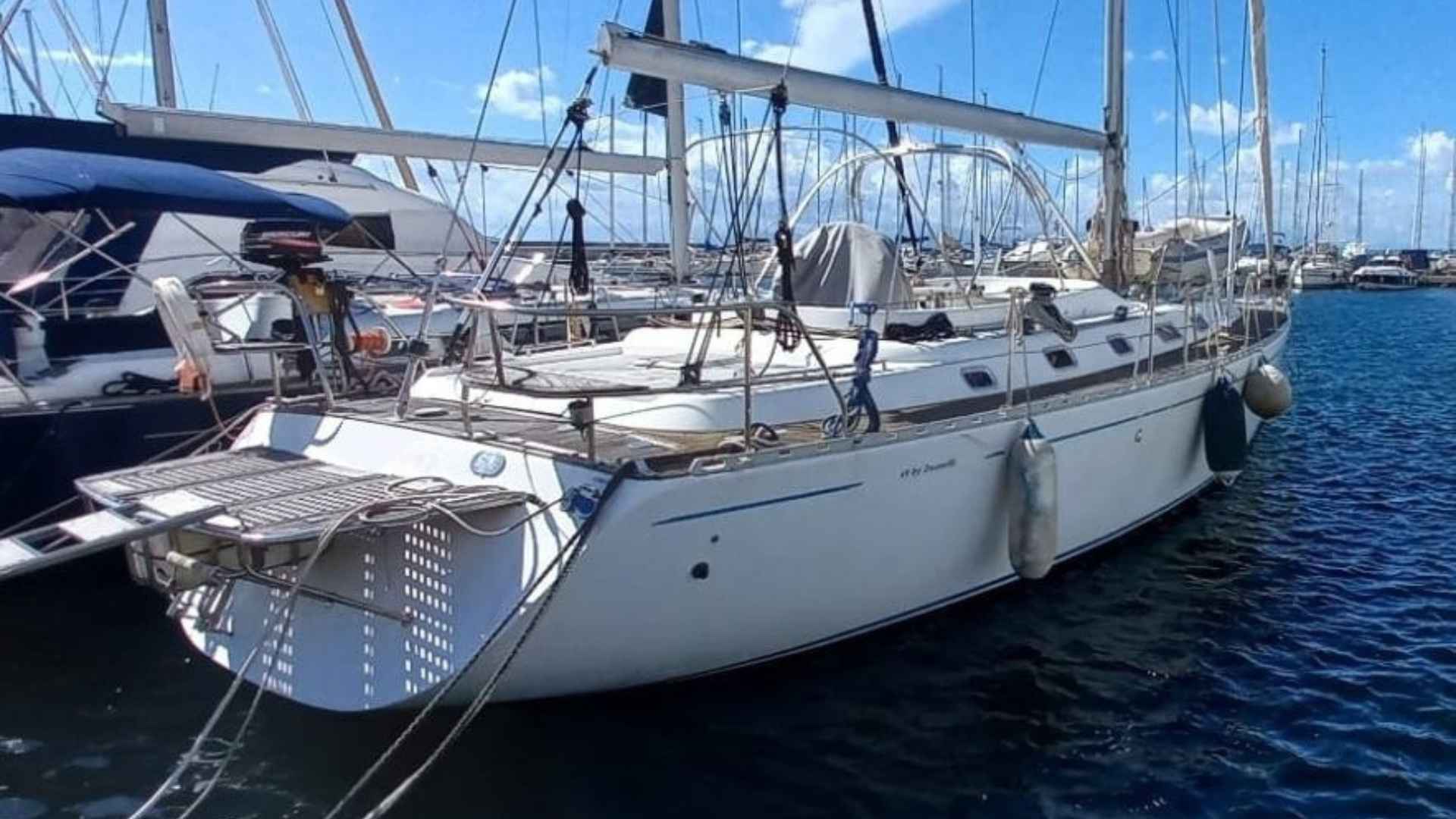
Zuanelli Z49 For Sale 1999
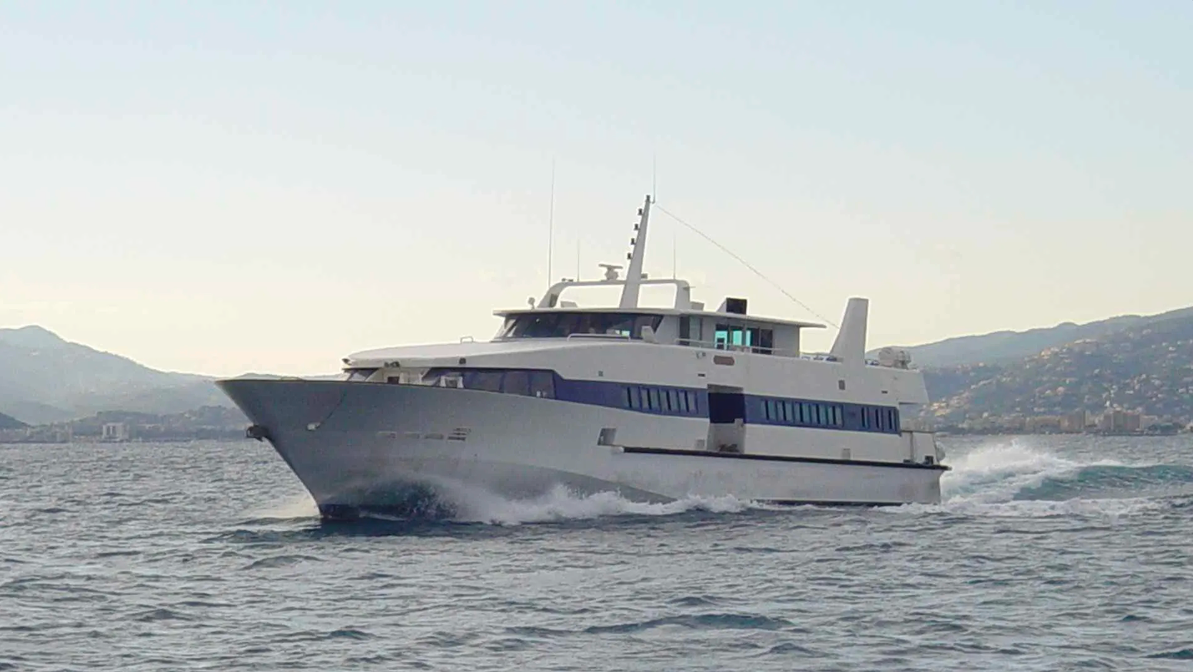
Passenger Boat for Sale 1999
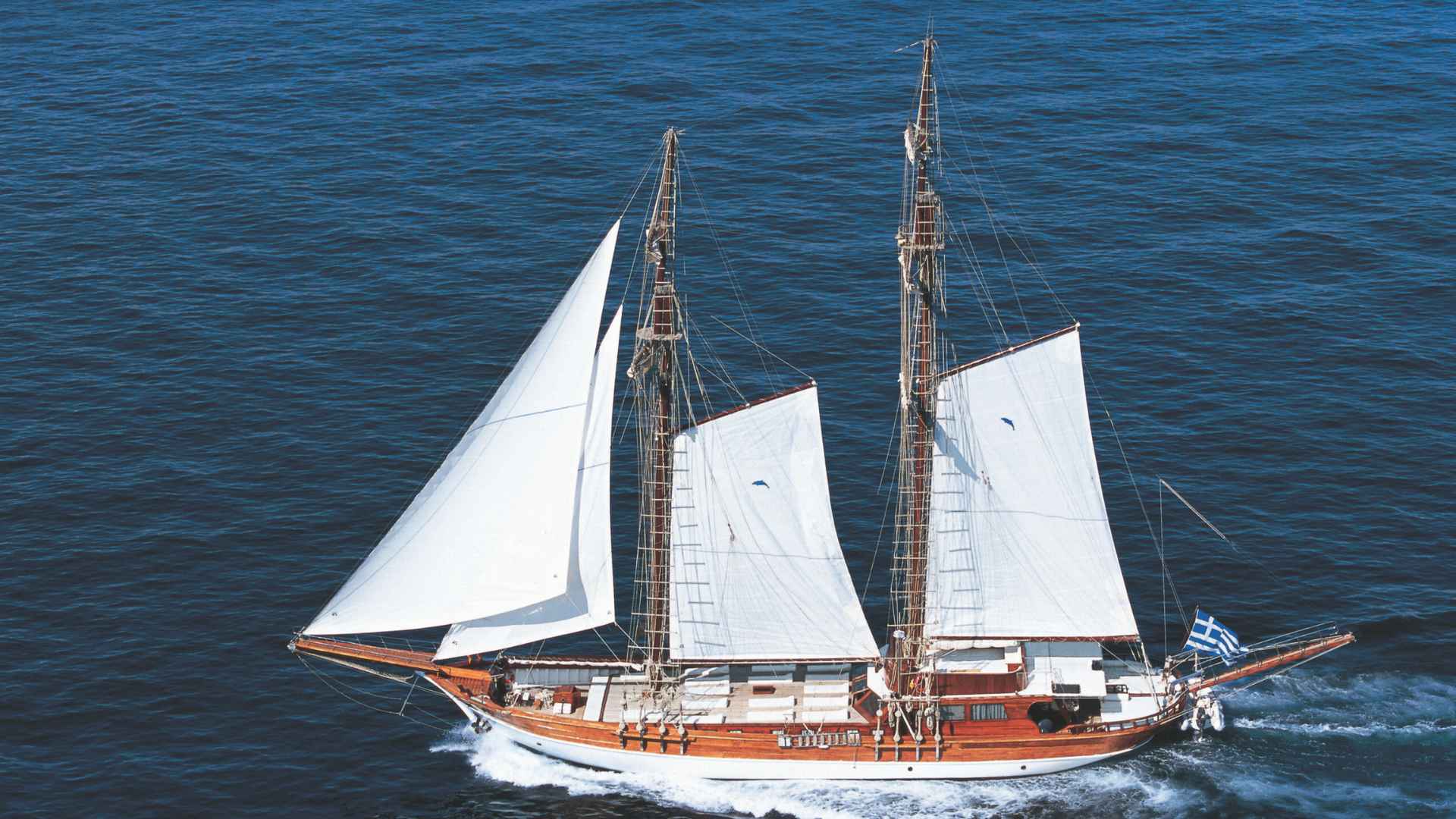
Wooden Motor Sailer 38m for sale 2000
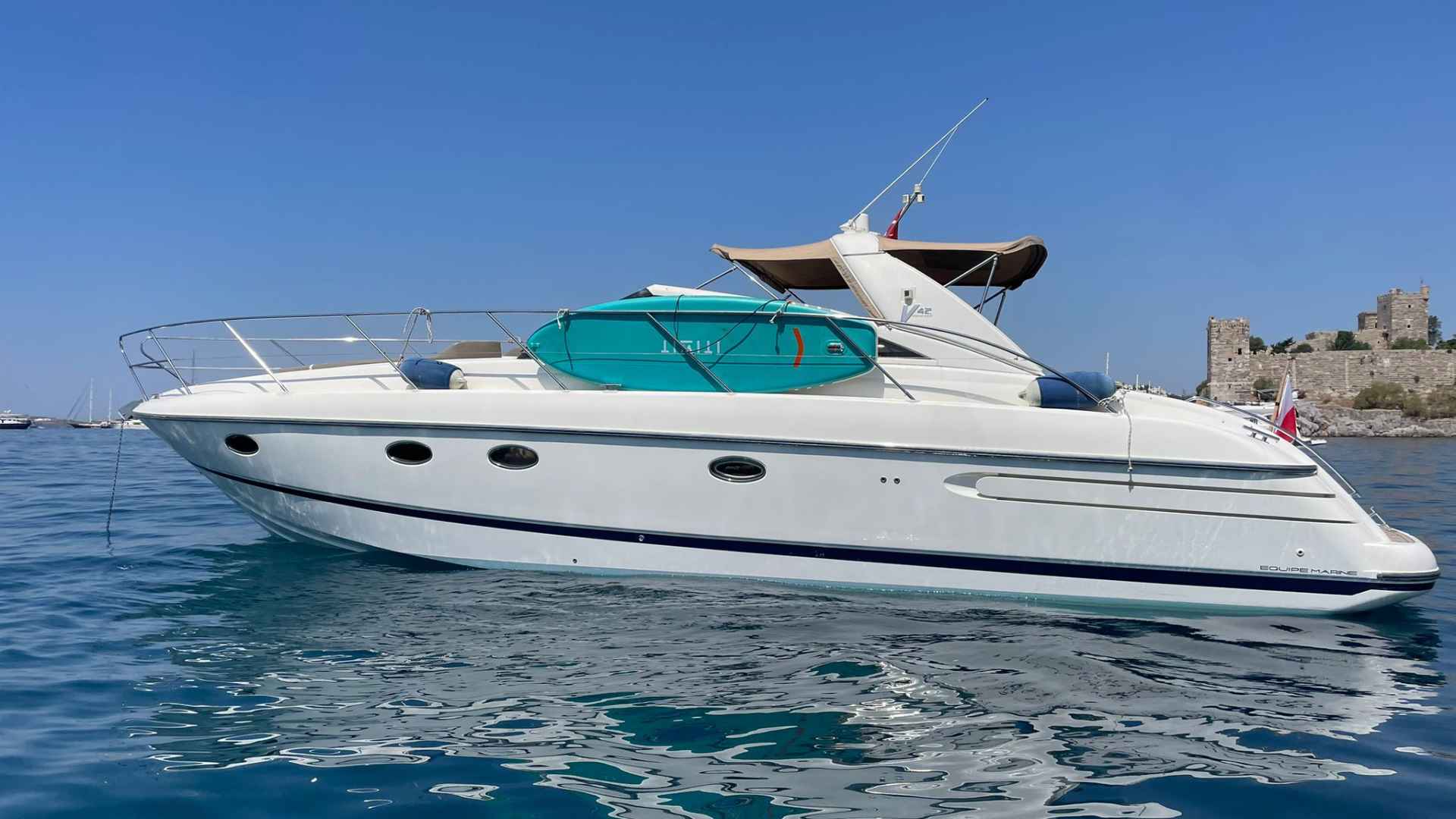
Princess V42 for sale 2000
Classic yachts for sale by Mediterranean market.
The classic fleet concentrates where the restoration trades are. Browse live inventory by country.
Classic yacht prices by condition.
Classic yacht value tracks condition and provenance, not length. The bands below are indicative for the 2026 Mediterranean market.
A specialist survey is essential before any classic purchase. See our buying guide and cost of ownership for the wider picture.
What to know before buying a classic.
Specialist survey
Use a surveyor experienced with the construction type — wooden, riveted-steel or early-GRP. A general survey can miss timber rot, fastening failure and hidden repairs that separate a sound classic from a costly project.
Provenance & documents
Original drawings, build records, restoration logs and ownership history all add value and confidence. A documented pedigree yacht is worth markedly more than an undocumented equivalent.
Maintenance reality
Wooden hulls reward maintenance and punish neglect. Budget for a specialist shipwright, annual timber work and a higher running cost than GRP. Go in with a clear, costed maintenance plan.
Restored vs project
A finished restoration almost always costs less than buying a project and restoring it yourself. Buy a project only if the process is the point and you have the skills or a trusted yard.
Classic yachts for sale — frequently asked questions.
What counts as a classic yacht?
There is no single definition. In the trade, classic generally describes yachts built before the early 2000s, with vintage and antique used for pre-1975 and pre-war vessels. Wooden construction, a recognised designer or yard, and original or sympathetically restored features all strengthen classic status. On this page, classic yachts means verified yachts built on or before 2005, or of wooden construction.
How much does a classic yacht cost?
Classic prices vary with condition far more than length. A project-condition classic can sell for very little; a fully restored example by a renowned yard can exceed a modern equivalent. As a guide, a sound, sailable classic cruiser of 35 to 45 feet typically runs €30k to €150k; concours-restored or pedigree yachts go far higher. Condition, provenance and restoration quality drive value.
Are wooden yachts hard to maintain?
Wooden yachts need more maintenance than GRP, but a well-built, well-maintained hull can last generations. Annual costs are higher: caulking, varnishing, antifouling and timber inspection. Carvel, clinker and cold-moulded construction each have different needs. Budget for a specialist shipwright. Many owners see the maintenance as part of the appeal; go in with a clear, costed plan.
Should I buy a restored classic or a restoration project?
A finished, well-restored classic almost always costs less than buying a project and restoring it yourself — restoration routinely exceeds budget and timeline. Buy a project only if you want the process, have the skills or a trusted yard, and accept the cost may exceed the finished value. For most buyers, a sound, recently surveyed classic ready to sail is the better decision.
Do classic yachts need a specialist survey?
Yes. Use a surveyor experienced with the construction type — wooden, riveted-steel or early-GRP classics each need specific expertise. A general surveyor may miss timber rot, fastening failure, hidden repairs or non-original modifications. A specialist survey costs more but is essential: the difference between a sound classic and a costly project is often invisible to an untrained eye.
Are classic yachts a good investment?
Pedigree classics by renowned designers and yards can hold or appreciate, particularly documented, concours-restored examples. Ordinary production classics are bought for enjoyment, not appreciation, and maintenance often exceeds any value gain. Treat a classic as a passion purchase first. If investment matters, focus on documented history, a recognised name and restoration quality.
Ready to find your classic?
Browse the live inventory above, filter by type, or talk directly to a vetted broker. No middlemen, no lead-generation pay-walls. The brokers behind every listing are the people you will actually deal with.