Used Bali Catamarans for Sale
Browse pre-owned Bali catamarans from vetted brokers. Mediterranean & worldwide inventory. Expert guidance on charter vs owner versions, inspections & value.
The used Bali market — what to know.
The pre-owned Bali catamaran market in 2026 represents exceptional value for buyers seeking the brand's signature open-space design philosophy at accessible price points. Since Catana Group launched Bali in 2014, these French-built multihulls have flooded both private and charter markets, creating robust secondary inventory across the Mediterranean, Caribbean, and beyond. Used Bali models typically depreciate 15-20% in the first two years, then stabilize to 8-12% annually, making three-to-five-year-old examples particularly attractive. The brand's innovative tilting foredeck door and forward cockpit layout—hallmarks across the range—retain strong appeal, driving steady demand even as newer models arrive.
Understanding charter versus owner versions is critical when evaluating used Bali inventory. Charter-spec boats, which dominated early production runs, feature reinforced systems, simplified electronics, and durable but basic joinery designed to withstand weekly turnovers. Owner versions, introduced progressively across the lineup from 2017 onward, offer upgraded appliances, premium upholstery, enhanced insulation, and more sophisticated electrical systems. A 2019 charter-spec Bali 4.1 may list for €280,000-€320,000, while a comparable owner-version commands €320,000-€360,000, though the latter often shows better overall condition despite similar hours.
Model-specific value retention varies considerably within the Bali range. The Bali 4.1, the brand's volume leader since 2019, maintains strong resale due to parts availability and ubiquitous broker familiarity. The larger Bali 4.8 and Catspace models depreciate more steeply initially but attract buyers seeking liveaboard space at substantial discounts versus new. The compact Bali 4.0, while discontinued, offers entry-level pricing but limited appreciation potential. Meanwhile, the flagship Bali 5.4 holds value exceptionally well, with low-hour 2020-2021 examples still commanding 70-75% of original MSRP in 2026.
Condition assessment on used Balis requires focus on hull-to-deck joints, particularly around the signature forward cockpit area where flexing can cause gelcoat crazing. Early production units (2015-2017) occasionally exhibit osmotic blistering below waterlines, though Catana addressed lamination schedules by 2018. Engine hours matter less than service history—many charter Balis accumulate high hours but receive meticulous maintenance, while neglected private boats with low hours may harbor deferred issues. Electrical systems, especially on three-cabin layouts with generator and air conditioning, demand thorough testing, as retrofit work on marine electronics often introduces gremlins in boats transitioning from charter to private service.
Used Bali for sale right now.
16 verified used Bali listings currently listed across the Mediterranean.
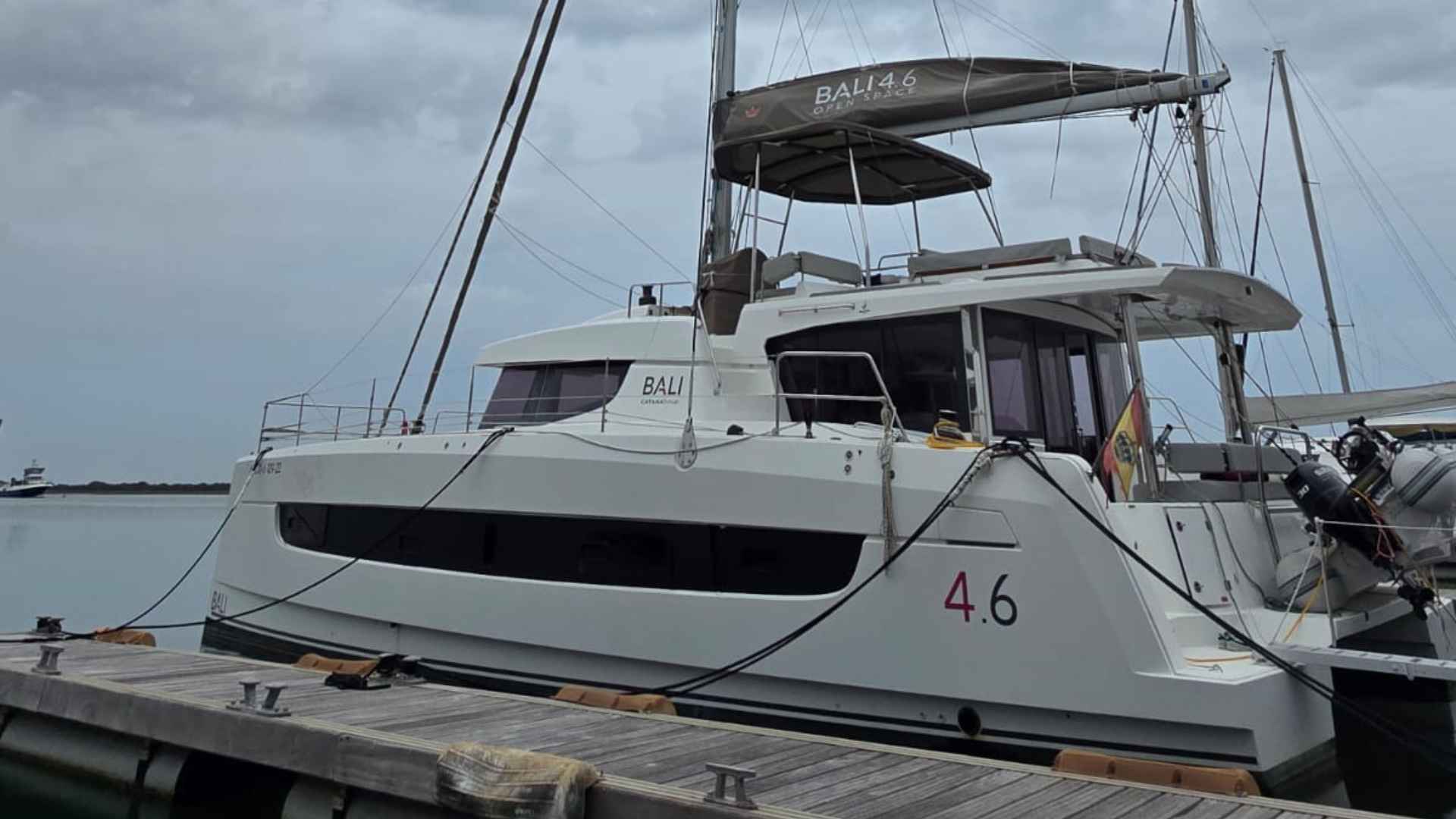
Bali 4.6 for sale 2022 (Mallorca)
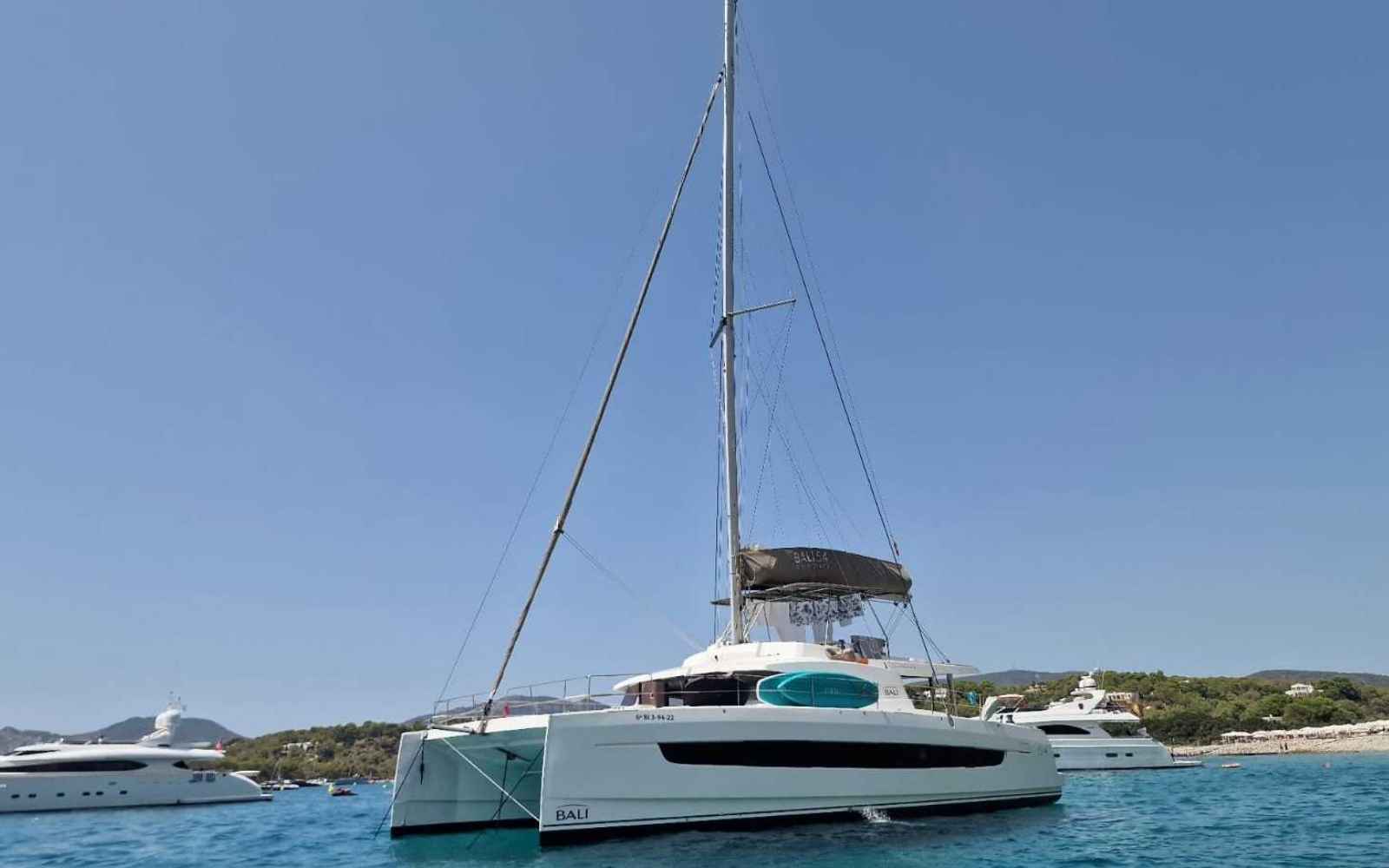
Bali 5.4 Open Space for sale 2022
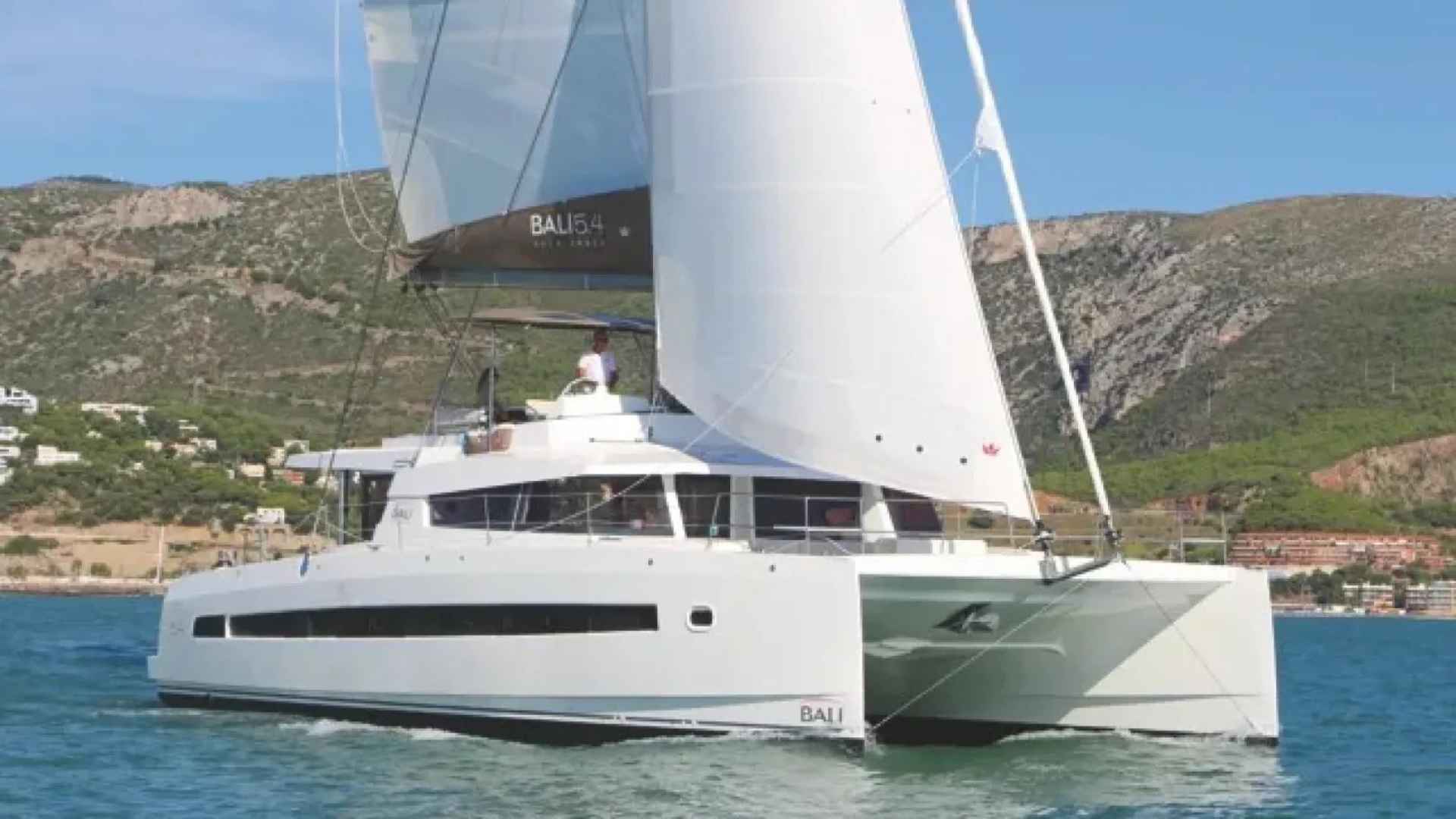
Bali 5.4 for sale 2021
Bali 4.8 for sale 2020
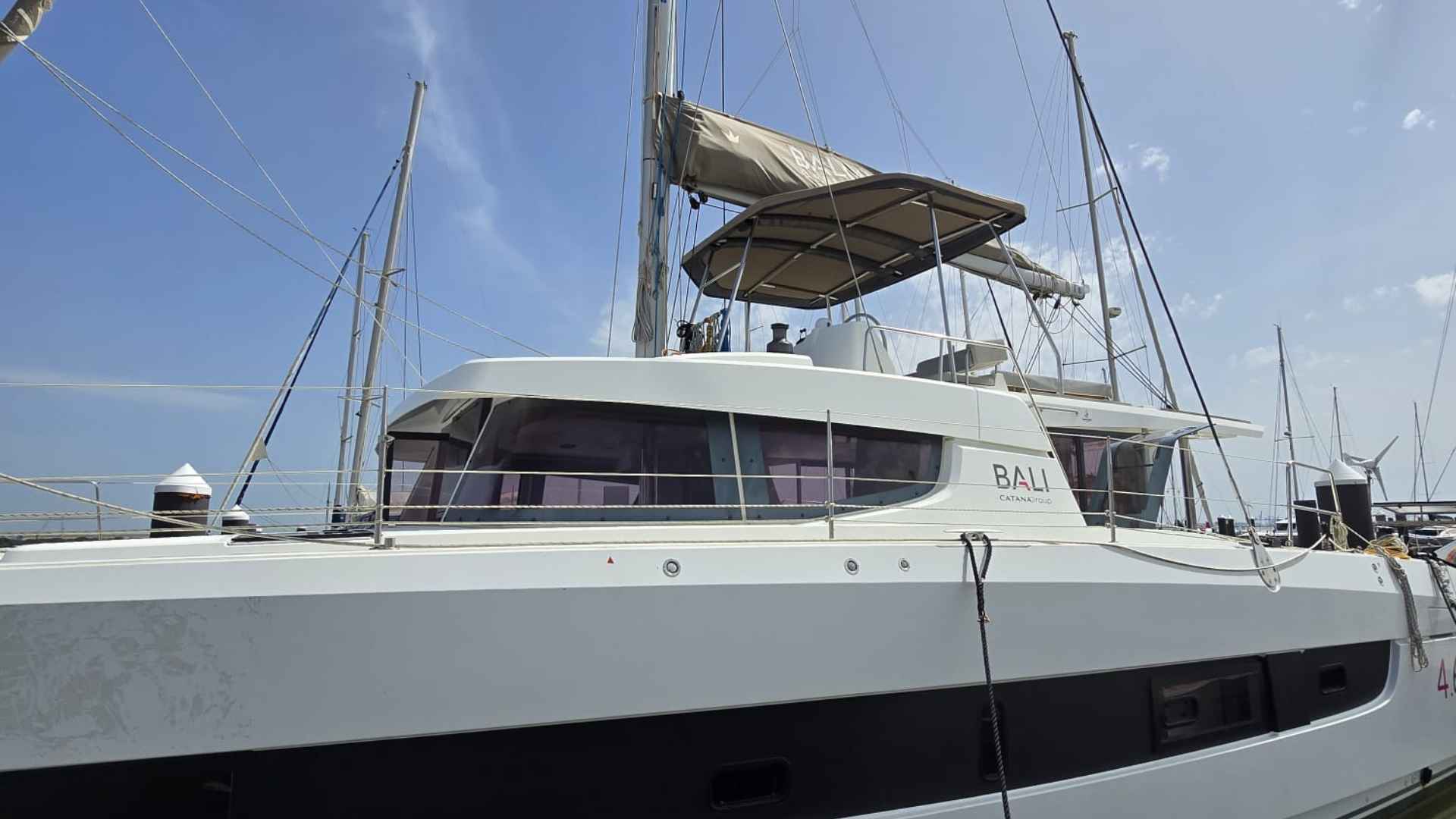
Bali 4.6 for sale 2022 (Barcelona)
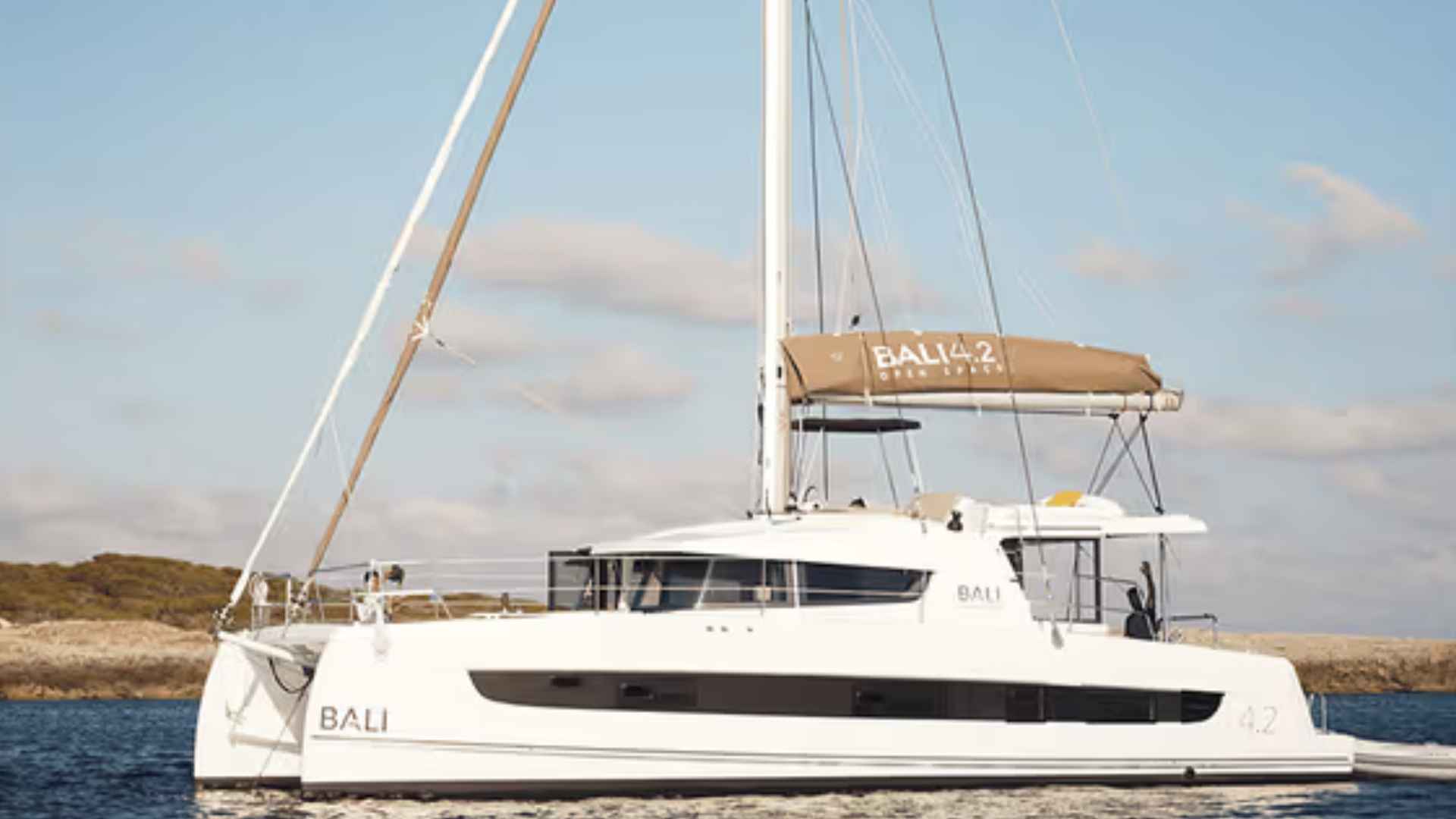
Bali 4.2 for sale 2025
Bali 4.4 for sale 2025 (Valencia)
Bali 5.2 for sale 2025
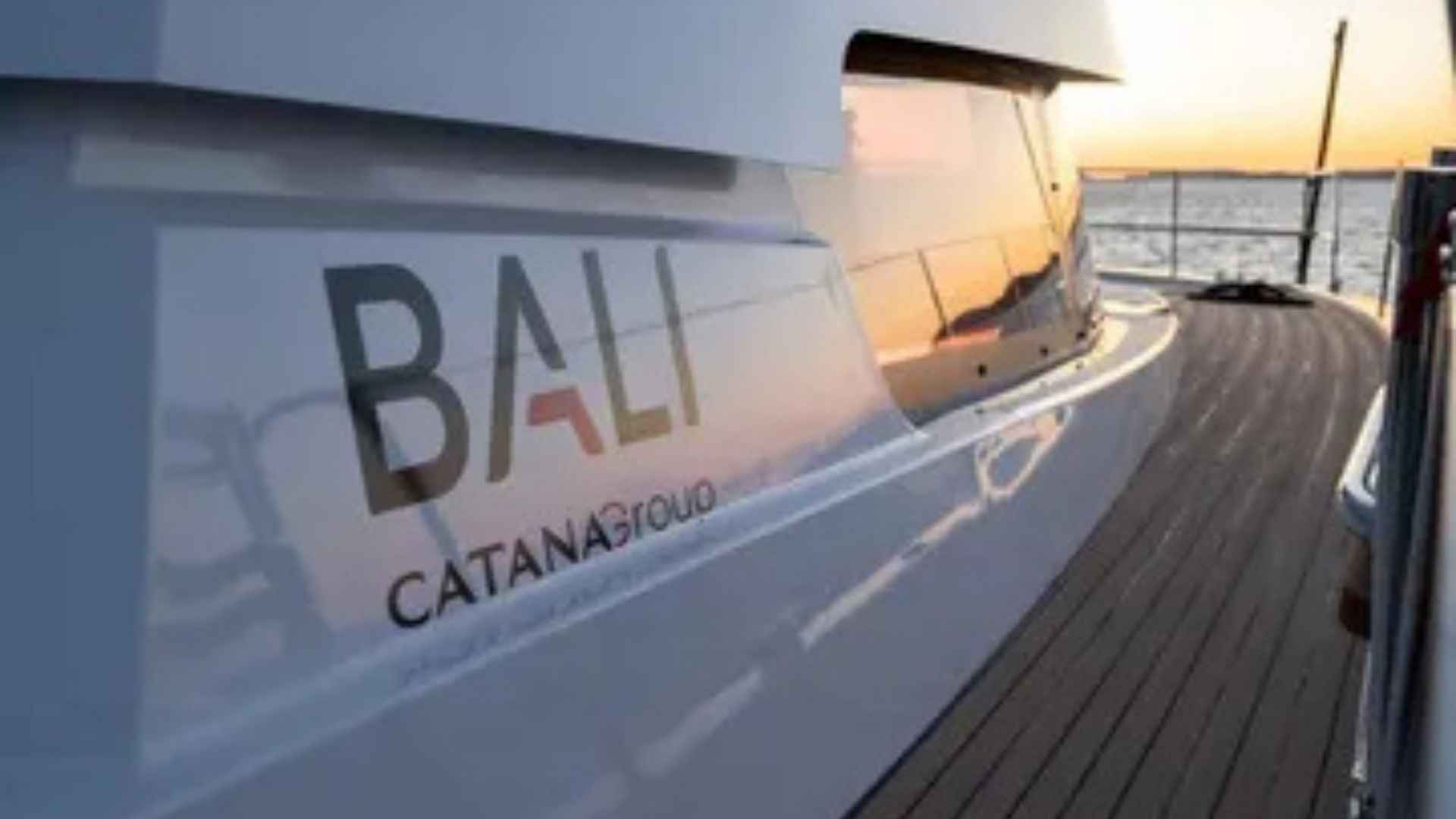
Bali 5.8 for sale 2025
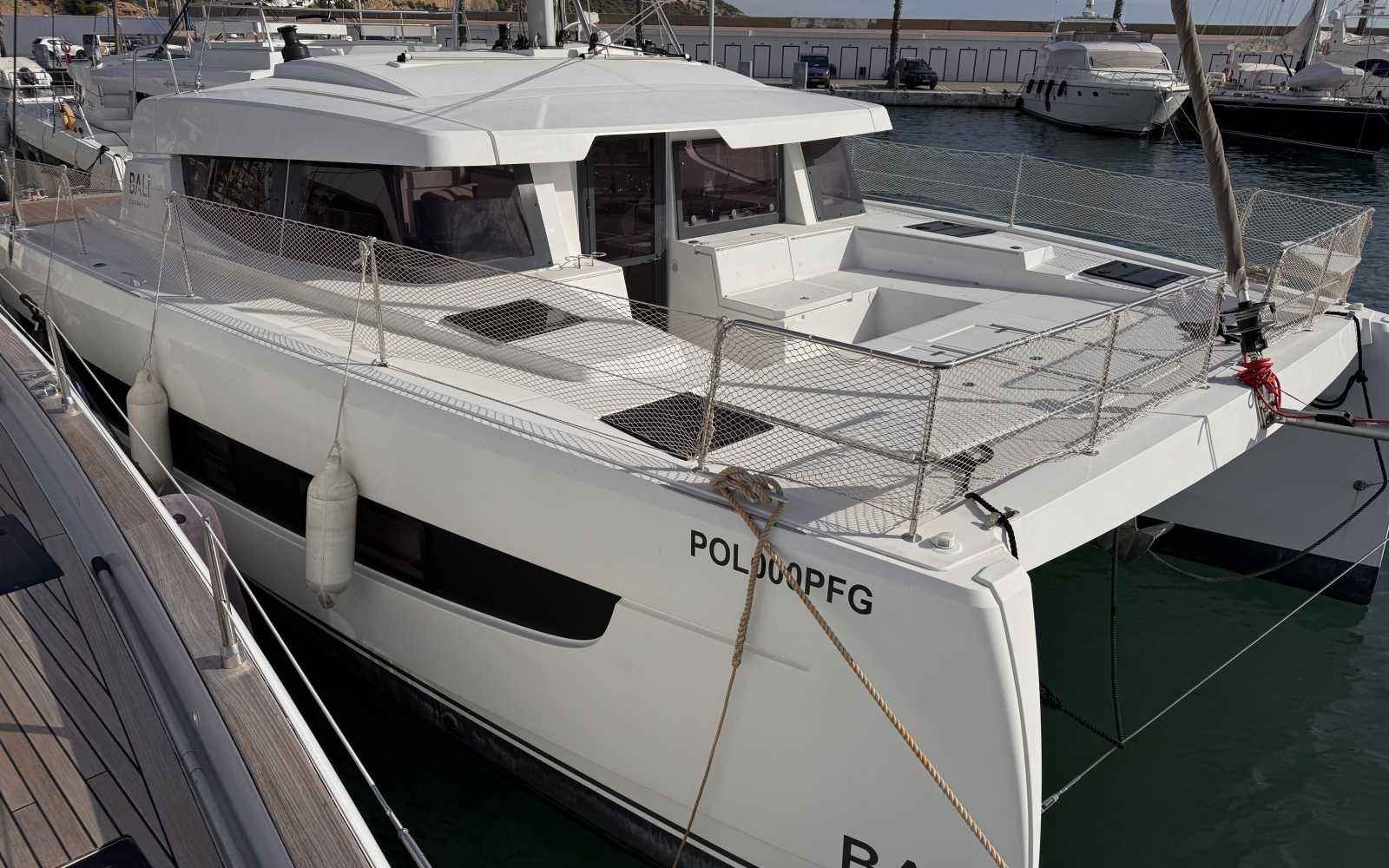
Bali 4.4 for sale 2022 (Sitges)
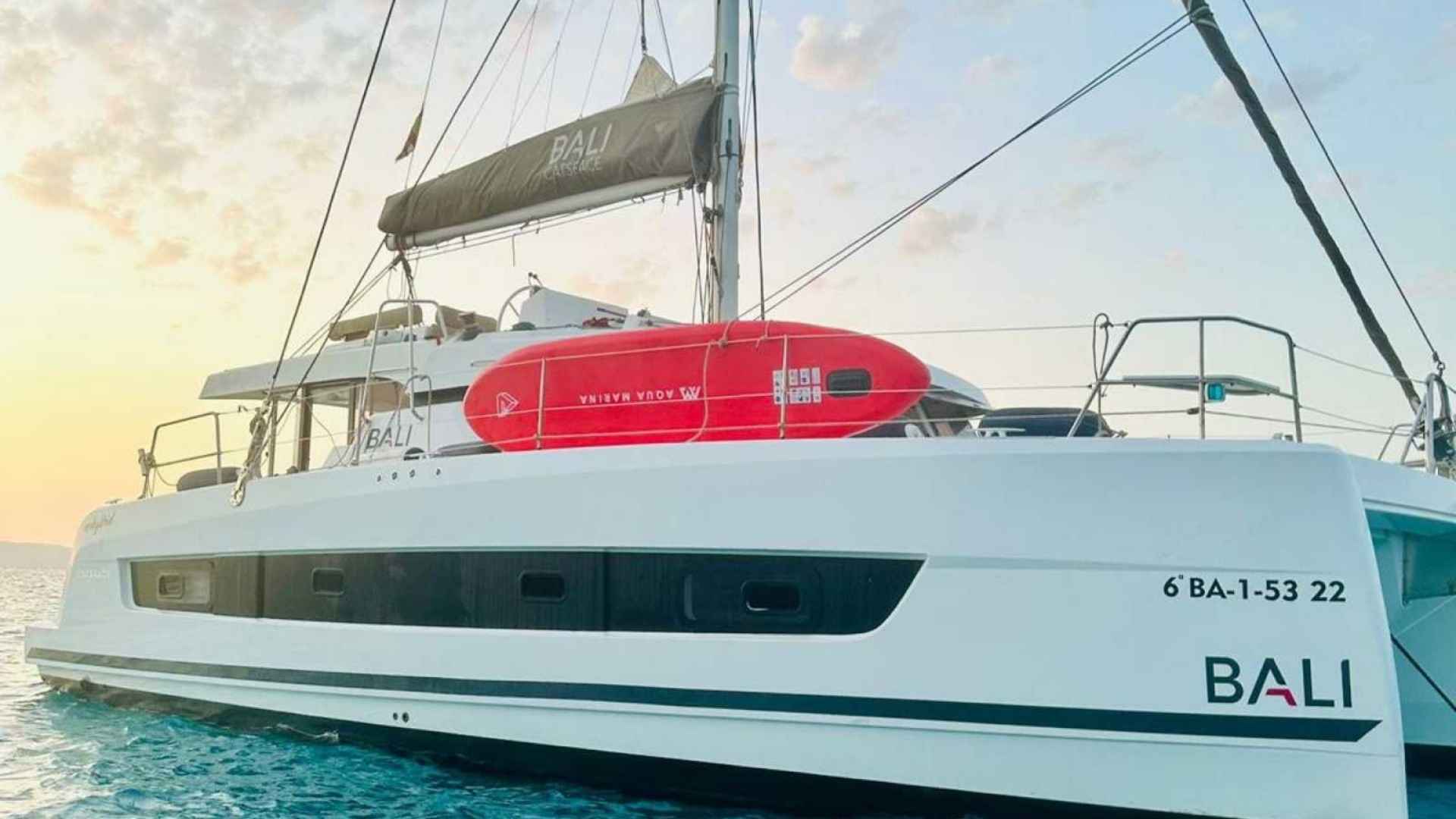
Bali Catspace for sale 2022
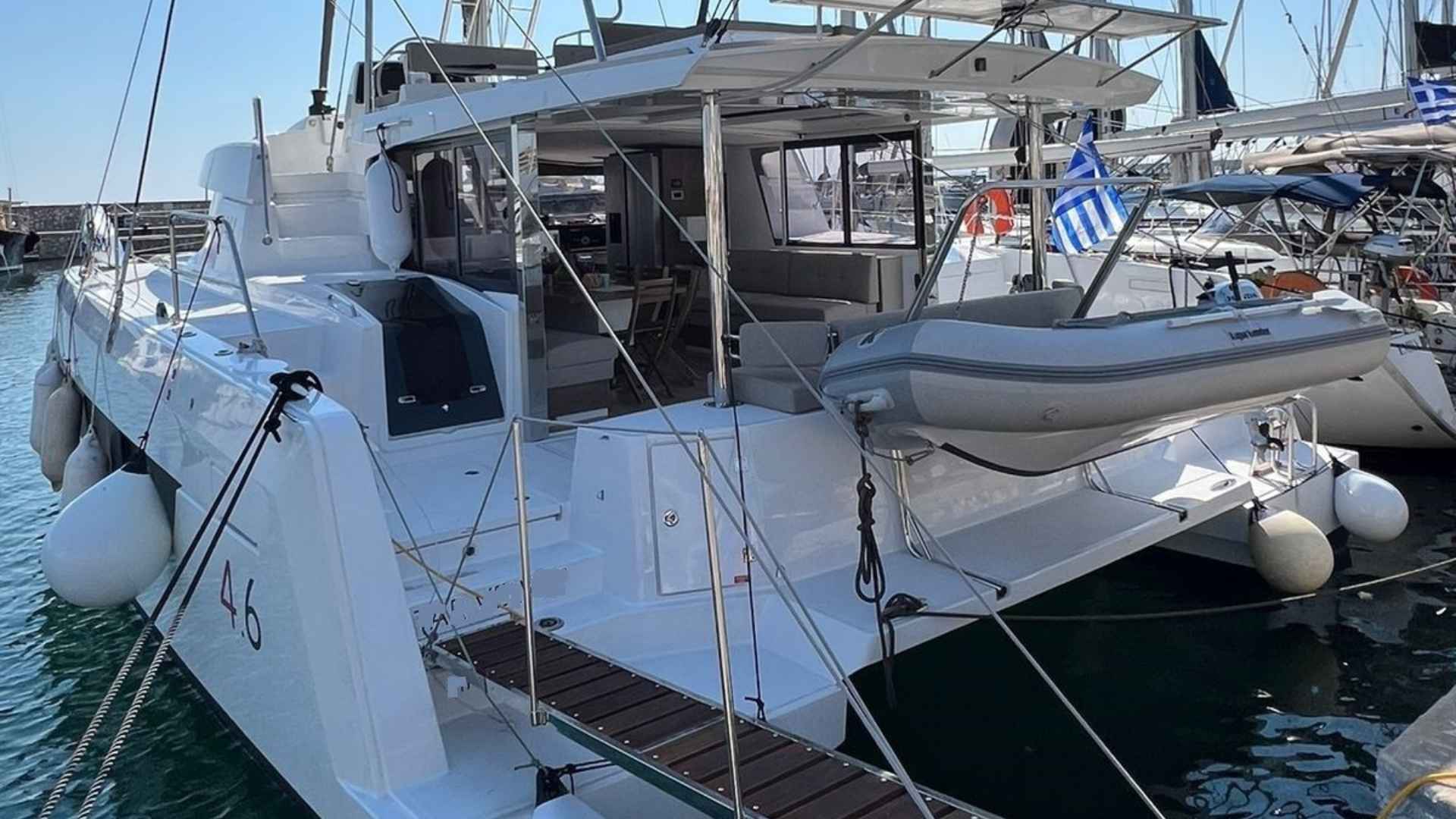
Bali 4.6 for sale 2023
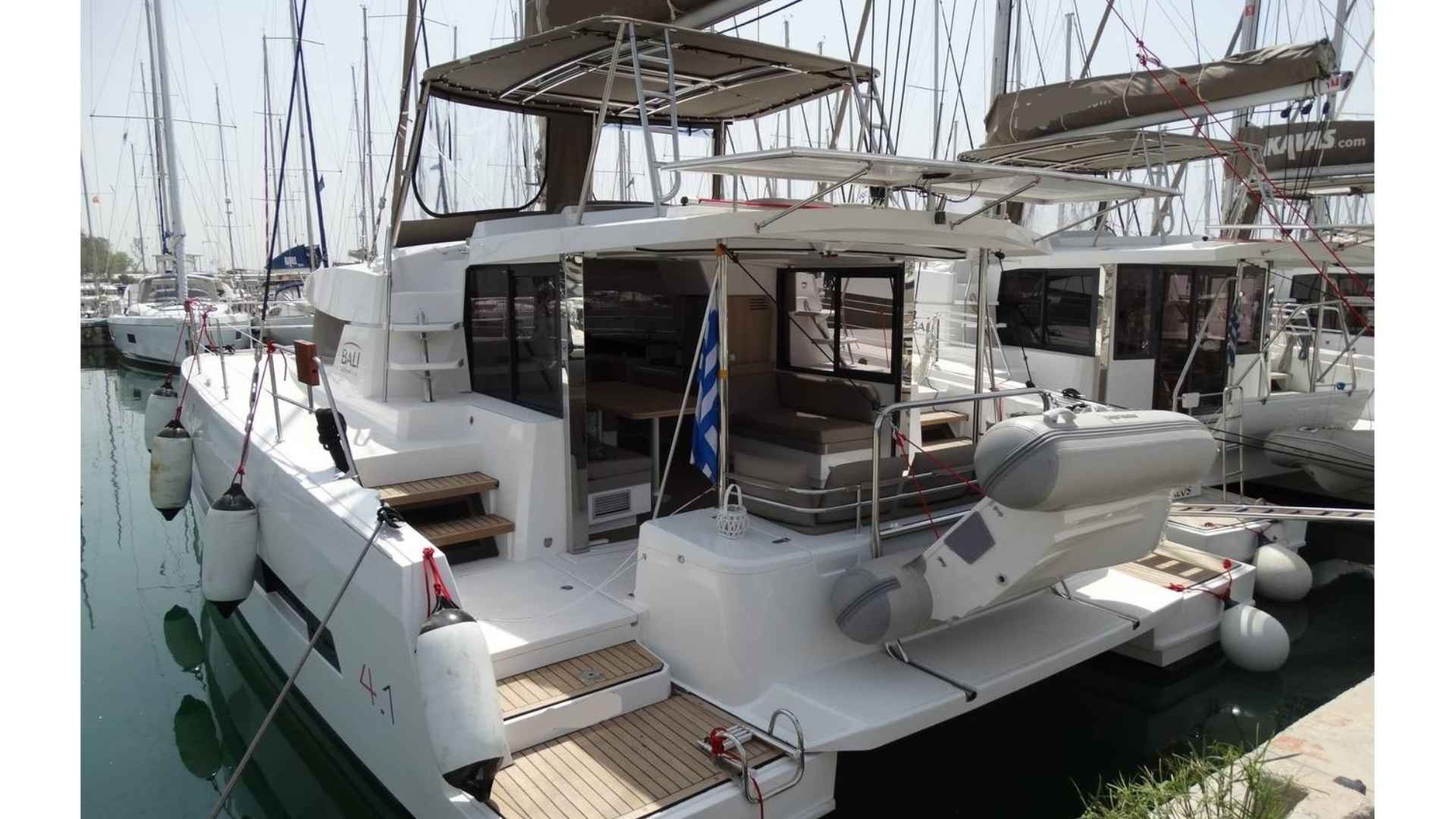
Bali 4.1 for sale 2018
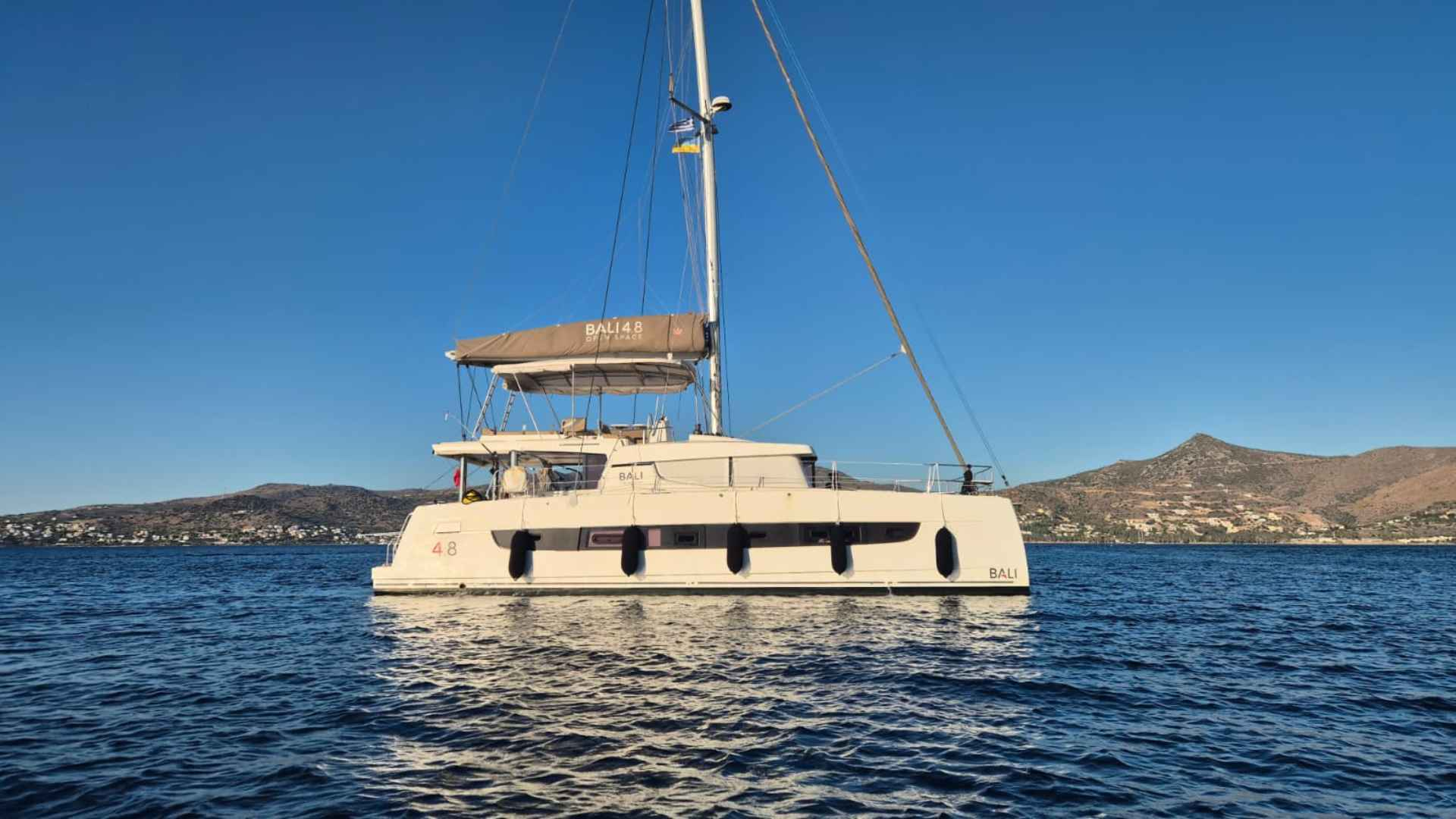
Bali 4.8 for sale 2022
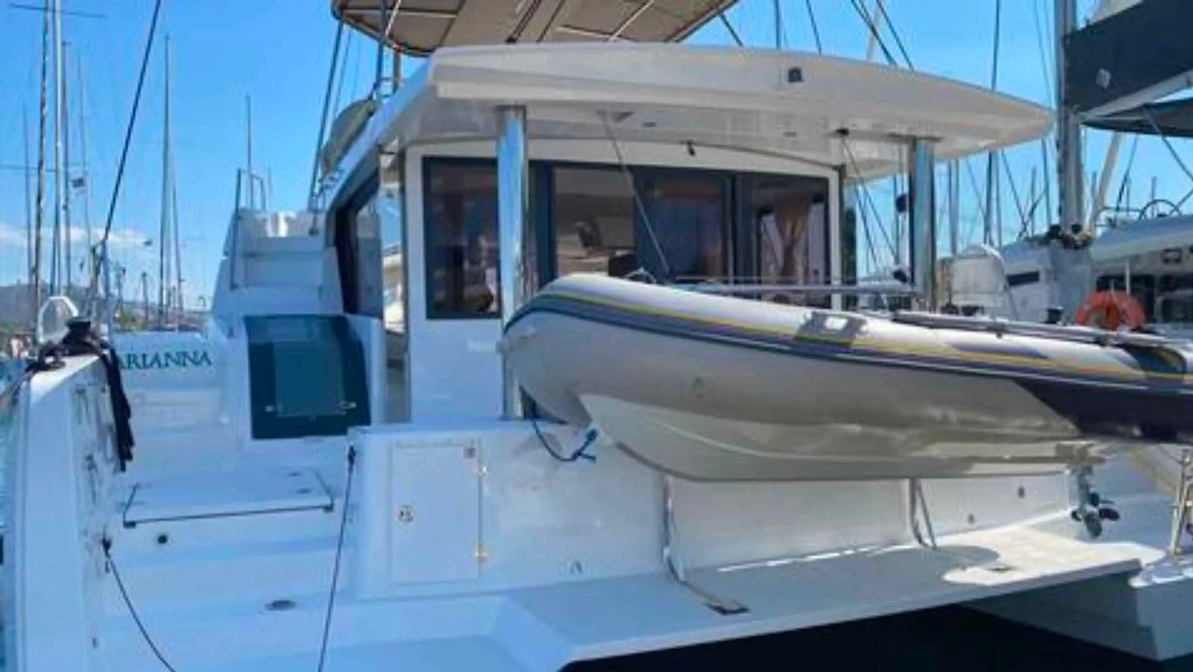
Bali 4.8 for sale 2021
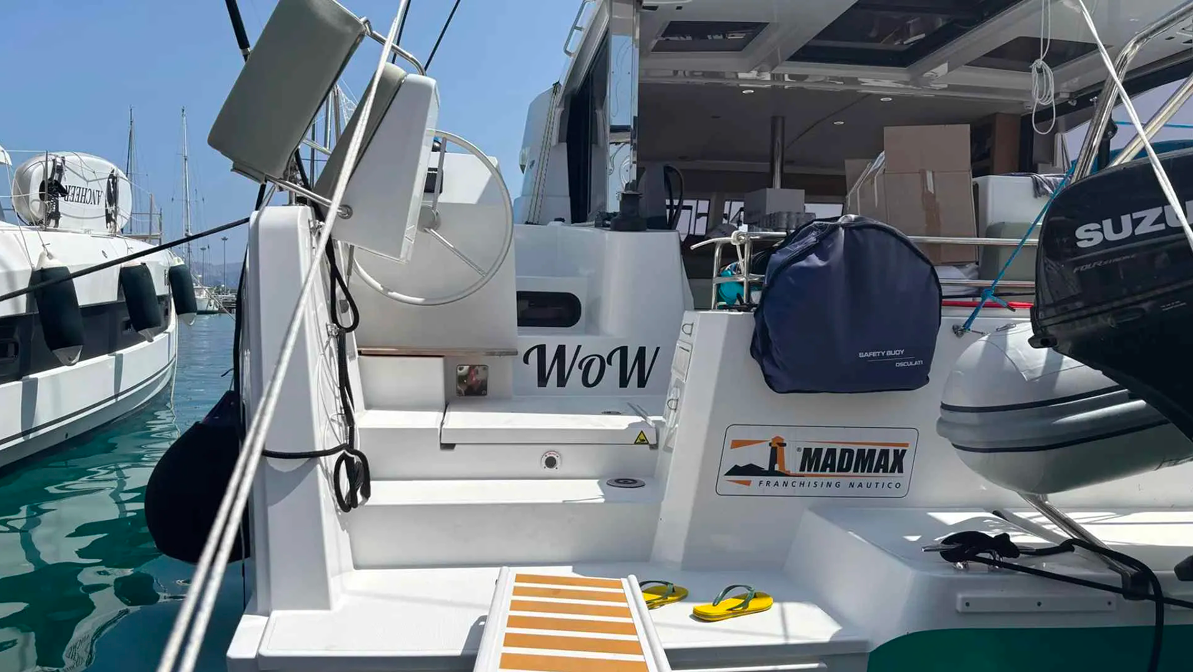
Bali Catsmart for sale 2024
How to buy a used Bali without overpaying.
What to Inspect on a Used Bali
Prioritize structural surveys of the forward cockpit integration and tilting door mechanism, as these signature features experience stress loads absent in conventional designs. Check for soft spots in bridgedeck areas where repeated foot traffic and deck furniture can compress core materials. Inspect rudder bearings and steering systems thoroughly—Bali's daggerboard models require verification of trunk seals and lifting mechanisms. Examine all through-hulls and seacocks, particularly on charter boats where maintenance intervals may have been stretched. Engine alignment and saildrive condition are critical; budget €8,000-€12,000 per saildrive replacement if diaphragms show cracking. Survey electrical panels for proper labeling and amperage protection, as many charter operators add equipment without updating documentation. Finally, test all canvas and enclosures; replacement costs for the expansive cockpit enclosures can exceed €15,000.
Charter Version vs Owner Version: Key Differences
Charter-specification Balis prioritize durability and simplified operation for rotating crews, featuring commercial-grade Lewmar winches, basic Simrad electronics packages, vinyl headliners, and laminate countertops. Berth configurations maximize capacity with economical mattresses and minimal storage customization. Owner versions upgrade to composite countertops, premium marine air conditioning systems, enhanced audio packages, leather or ultraleather upholstery, and often include generator prep or installation. Electrical systems on owner versions typically offer lithium battery options, upgraded inverters, and more sophisticated monitoring. Performance equipment differs too—owner specs often include upgraded sail plans, carbon battens, and premium lazy jack systems. When evaluating used inventory, charter boats may show more cosmetic wear but often have detailed service logs, while owner versions may lack documentation despite lower apparent usage. The price delta typically justifies choosing owner versions for long-term cruising plans.
Price Ranges by Model and Age
As of 2026, used Bali pricing shows distinct tiers. The Bali 4.0 (2016-2019 production) ranges €180,000-€240,000 depending on version and hours. The popular Bali 4.1 spans €250,000 for 2019 charter versions to €380,000 for 2022 owner-spec examples with low hours and upgrades. The Bali 4.2, introduced in 2021 as the 4.1 successor, commands €380,000-€480,000 for recent pre-owned units. The versatile Bali 4.3 (2023-present) appears infrequently used, typically €460,000-€520,000. Mid-range inventory includes the Bali 4.6 at €480,000-€580,000 for 2020-2022 models, while the Bali 4.8 ranges €620,000-€780,000. Flagship Bali 5.4 models vary from €780,000 for earlier charter versions to €1,100,000 for nearly-new owner configurations. The Catspace model sits at €850,000-€950,000 used. Expect Mediterranean-based boats to command 5-8% premiums over Caribbean inventory due to VAT-paid status and EU buyer demand.
Models That Hold Value Best
The Bali 4.1 demonstrates exceptional value retention due to overwhelming market presence, comprehensive dealer networks, and parts availability across global cruising grounds. Its 2019-2021 production years represent the sweet spot—mature enough for depreciation but new enough to avoid early production quirks. The Bali 5.4 maintains premium positioning with minimal depreciation, as its liveaboard-focused layout attracts cash buyers less sensitive to market fluctuations. Surprisingly, the Bali 4.6 shows strong value stability despite initial skepticism about its size segment; its four-cabin/four-head layout appeals to partnership purchases and small charter operations. Conversely, avoid the earliest Bali 4.0 units (2015-2016) unless deeply discounted, as parts scarcity and dated electronics limit resale appeal. The Bali Catspace, while innovative, remains niche with limited comps data, creating potential resale challenges in secondary markets. Low-hour owner versions universally outperform comparable charter boats by 12-18% in retention curves.
Common Issues to Watch For
Gelcoat crazing around the forward cockpit perimeter affects many 2015-2018 models, though typically cosmetic rather than structural. Early Bali 4.0 and 4.1 units occasionally exhibit compression posts settling through saloon sole liners, requiring re-bedding. Water intrusion around portlight seals, especially on hulls with opening ports in forward cabins, can lead to headliner staining and locker mold—inspect thoroughly and budget remediation. The rigid forward cockpit door's tilting mechanism requires annual servicing; neglected units develop binding that stresses hinges and gel coat. Electrical gremlins proliferate in boats where charter companies added equipment without proper integration—look for voltage drops, incorrectly sized breakers, and unlabeled circuits. Generator installations on many charter Balis used undersized exhaust systems, leading to premature failure; replacement costs reach €8,000-€12,000. Finally, verify rudder bearing play and steering cable condition, as high-use charter service accelerates wear in these critical systems.
Financing and Survey Considerations
Most marine lenders in 2026 readily finance used Balis up to 15 years old, typically offering 10-20% down with 10-15 year terms at 6.5-8.5% APR depending on creditworthiness and loan-to-value ratios. Boats over ten years old or with extensive charter history may require 25-30% down payments. Budget €3,500-€5,500 for comprehensive surveys including sea trials, haul-out, and rigging inspection—essential given Bali's relatively short market history and evolving build quality across production years. Insist on engine compression tests and saildrive ultrasonic thickness readings. Request detailed service records, especially maintenance logs for standing rigging, which on many charter Balis approaches replacement intervals (typically 8-10 years). Factor €15,000-€35,000 for deferred maintenance on typical charter boats, covering canvas replacement, electronics upgrades, running rigging renewal, and osmosis treatment where present. VAT status verification is critical for Mediterranean purchases—non-VAT-paid boats face 20%+ tax liability in EU waters.
Popular used Bali models.
Used Bali — frequently asked questions.
Should I buy a used charter Bali or wait for an owner-version?
Charter Balis offer proven durability and documented maintenance but show more wear and basic specifications. Owner versions provide superior equipment and finishes at 15-20% premiums. For extended cruising, the owner version investment typically proves worthwhile.
What's the ideal age for a used Bali catamaran in 2026?
Three-to-six-year-old Balis (2020-2023 models) offer the best value proposition, having absorbed initial depreciation while retaining modern systems, remaining warranty coverage, and avoiding obsolescence in electronics and rigging components.
How many engine hours are acceptable on a used Bali?
Charter Balis often accumulate 800-1,500 hours but receive professional maintenance. Private boats with 300-600 hours are ideal. More critical than hours is service documentation—meticulous records trump low hours with maintenance gaps.
Do used Bali catamarans have osmosis problems?
Early production units (2015-2017) occasionally show osmotic blistering, though Catana improved lamination schedules by 2018. Haul-out surveys with moisture meter readings are essential. Treatment costs range €8,000-€20,000 depending on severity and hull area affected.
Which Bali model offers the best used value?
The Bali 4.1 provides exceptional value retention, parts availability, and broker familiarity. The 2019-2021 production years represent optimal balance of depreciation, build quality improvements, and remaining service life before major systems require replacement or upgrades.
Can I finance a 10-year-old used Bali catamaran?
Yes, most marine lenders finance Balis up to 15 years old, though boats over ten years typically require larger down payments (25-30%) and may carry higher interest rates. Well-documented maintenance records improve financing terms significantly.
What's the cost difference between VAT-paid and non-VAT Balis?
VAT-paid Balis in the Mediterranean command 5-8% premiums over comparable Caribbean boats, but non-VAT vessels incur 20%+ tax liability if entering EU waters. For European-based cruising, VAT-paid status is essential and justifies the premium.
Are there specific survey red flags for used Balis?
Prioritize inspecting hull-to-deck joints near forward cockpit, rudder bearing play, saildrive diaphragm condition, electrical system documentation, and gelcoat crazing patterns. Also verify tilting door mechanism function and check compression post bedding in saloon areas for any movement or delamination.