Bali catamarans for sale.
Bali Catamarans, launched in 2014 by Catana Group, entered the market with a clear mandate: maximize interior volume and social space while keeping prices competitive with Lagoon and Fountaine Pajot. The brand distinguishes itself through the signature solid foredeck platform, a forward cockpit that opens via a large tilting door, and a design philosophy that prioritizes lounging area over sailing performance. Built in France alongside the racier Catana line, Bali hulls share construction techniques with their performance-oriented siblings but target the charter market and coastal cruising families.
About Bali.
The current lineup spans from the Catsmart entry model through the flagship Bali 5.4. The 4-series—4.1, 4.2, 4.3, 4.4, 4.6, 4.8—represents the volume sellers, with charter fleets particularly favoring the 4.2 and 4.4 for their cabin count and ease of handling. The Catspace, introduced in 2020, brought the Bali design language to a smaller footprint. Build quality in early models (2014-2017) has shown typical production boat issues including gel coat crazing and some hardware failures, though post-2019 examples reflect improved quality control following ownership changes within Catana Group.
Used Bali inventory in 2026 is heavily weighted toward 2017-2023 charter exits, meaning buyers should budget for rigging replacement, sail service, and engine hours well into four figures. The brand's emphasis on open-plan interiors means less structural bulkheading than competitors, which some surveyors flag as a trade-off for the spacious feel. Pricing remains competitive: expect €350,000-€480,000 for used 4.2-4.4 models, €580,000-€750,000 for 4.6-4.8 examples, and upwards of €1.1M for recent 5.4 inventory.
Bali's market position in 2026 remains strong in the charter sector but faces scrutiny from private buyers who prioritize passage-making capability. The brand's direct competitors—Lagoon's 40/42/46 and Fountaine Pajot's Saona/Astrea/Samana lines—offer slightly more conservative designs with better resale tracking in some markets. That said, Bali's aggressive space utilization delivers genuine liveaboard appeal, and owners consistently praise the ergonomics of the forward cockpit. For coastal Mediterranean or Caribbean cruising with occasional charter income, the platform makes sense. For offshore work, scrutinize build date, maintenance records, and structural survey closely.
The Bali range in production today.
The Bali current range covers a variety of sizes and configurations. Below is the full lineup with current model years and key positioning notes.
Bali for sale right now.
16 verified Bali currently listed across the Mediterranean. Showing the 16 most recent — see all on the marketplace, or drill down to a specific model above.
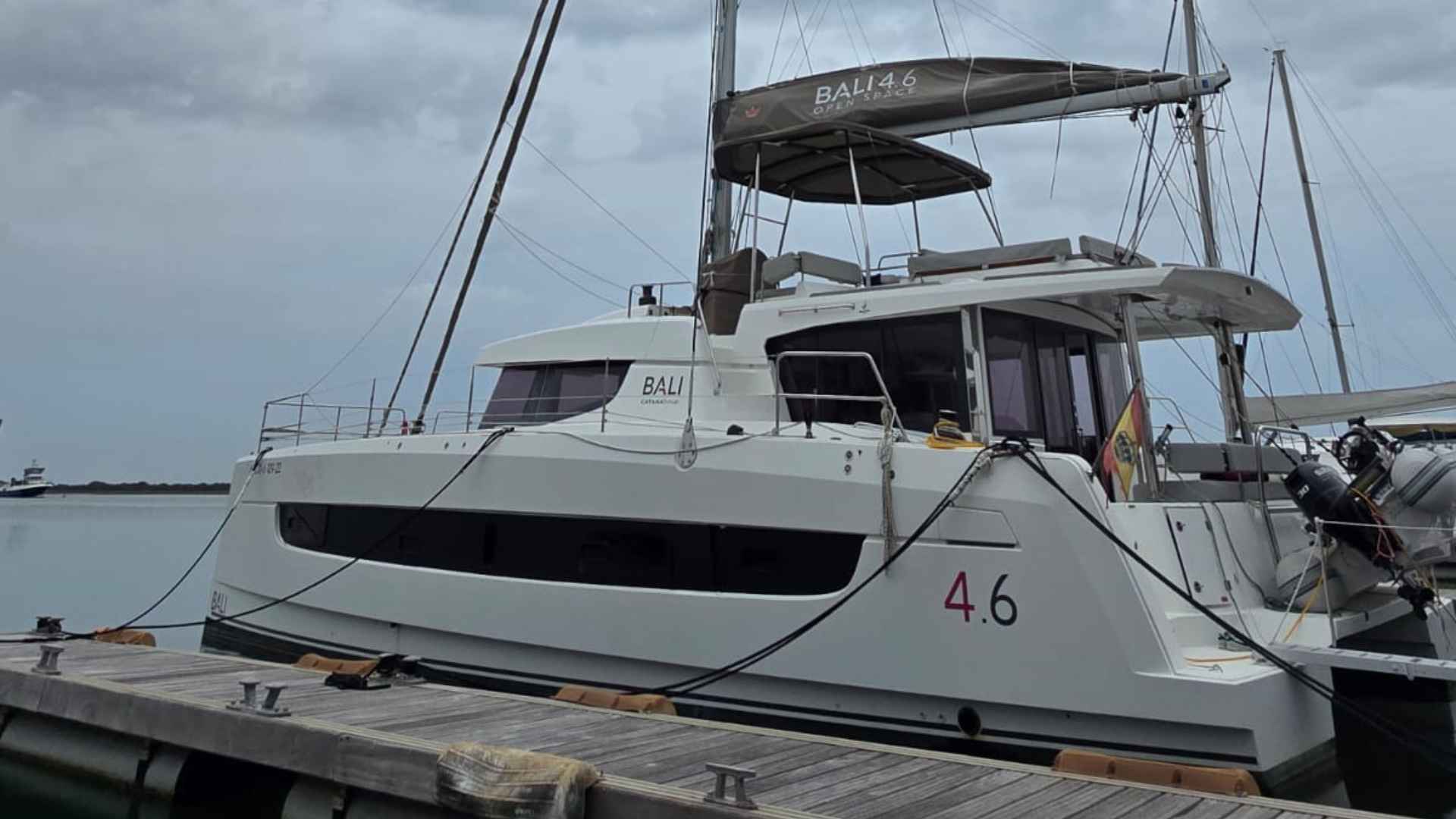
Bali 4.6 for sale 2022 (Mallorca)
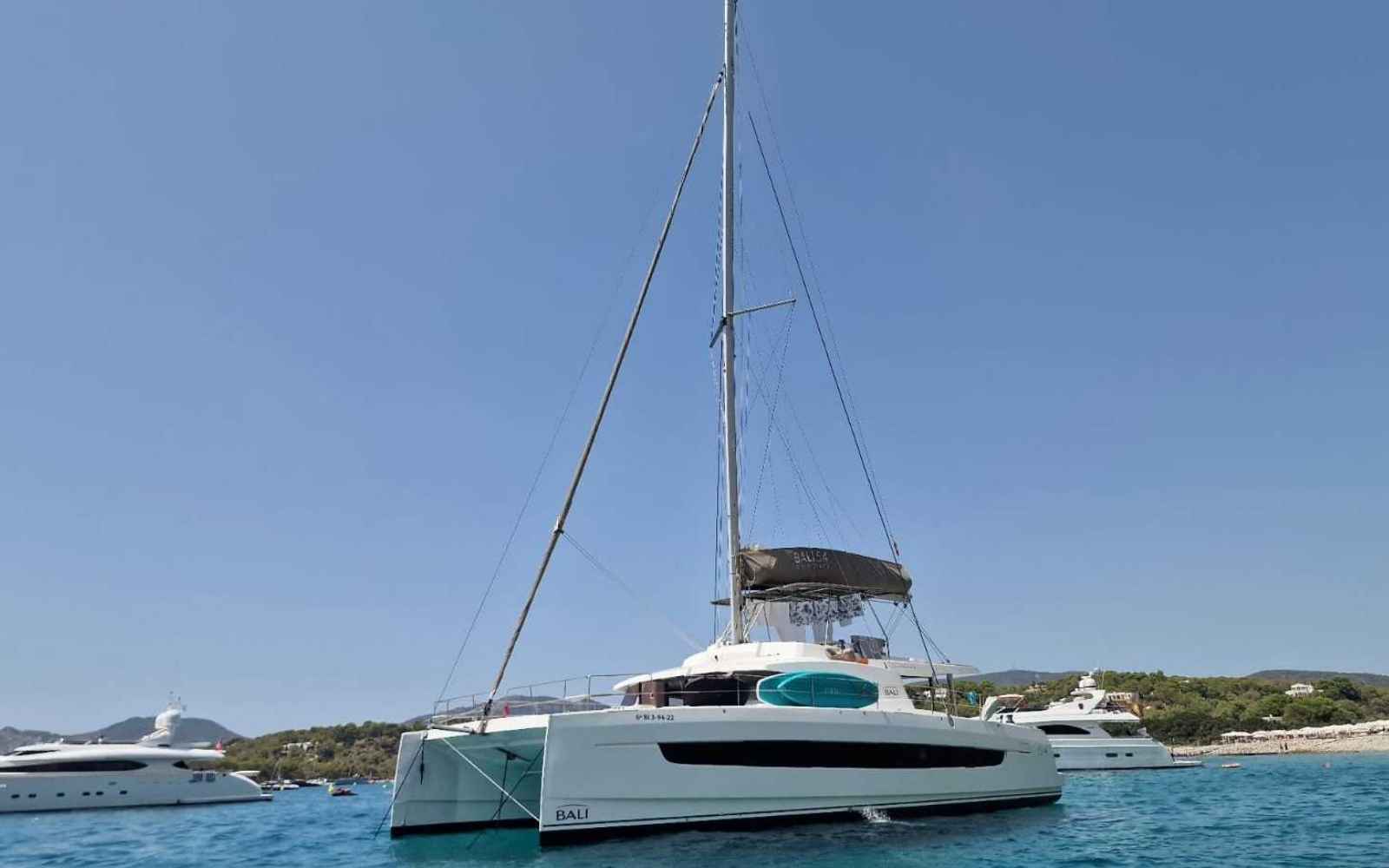
Bali 5.4 Open Space for sale 2022
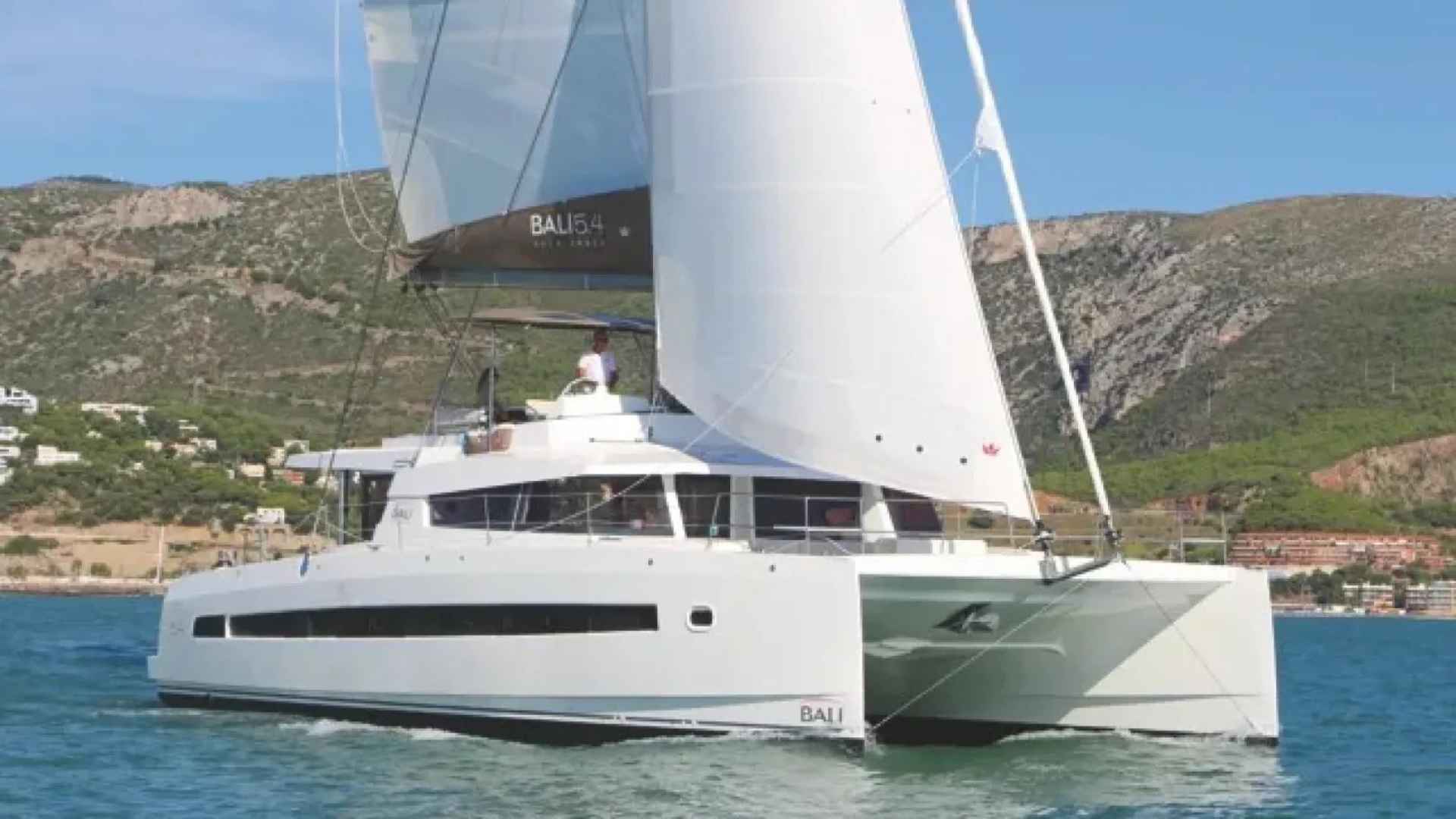
Bali 5.4 for sale 2021
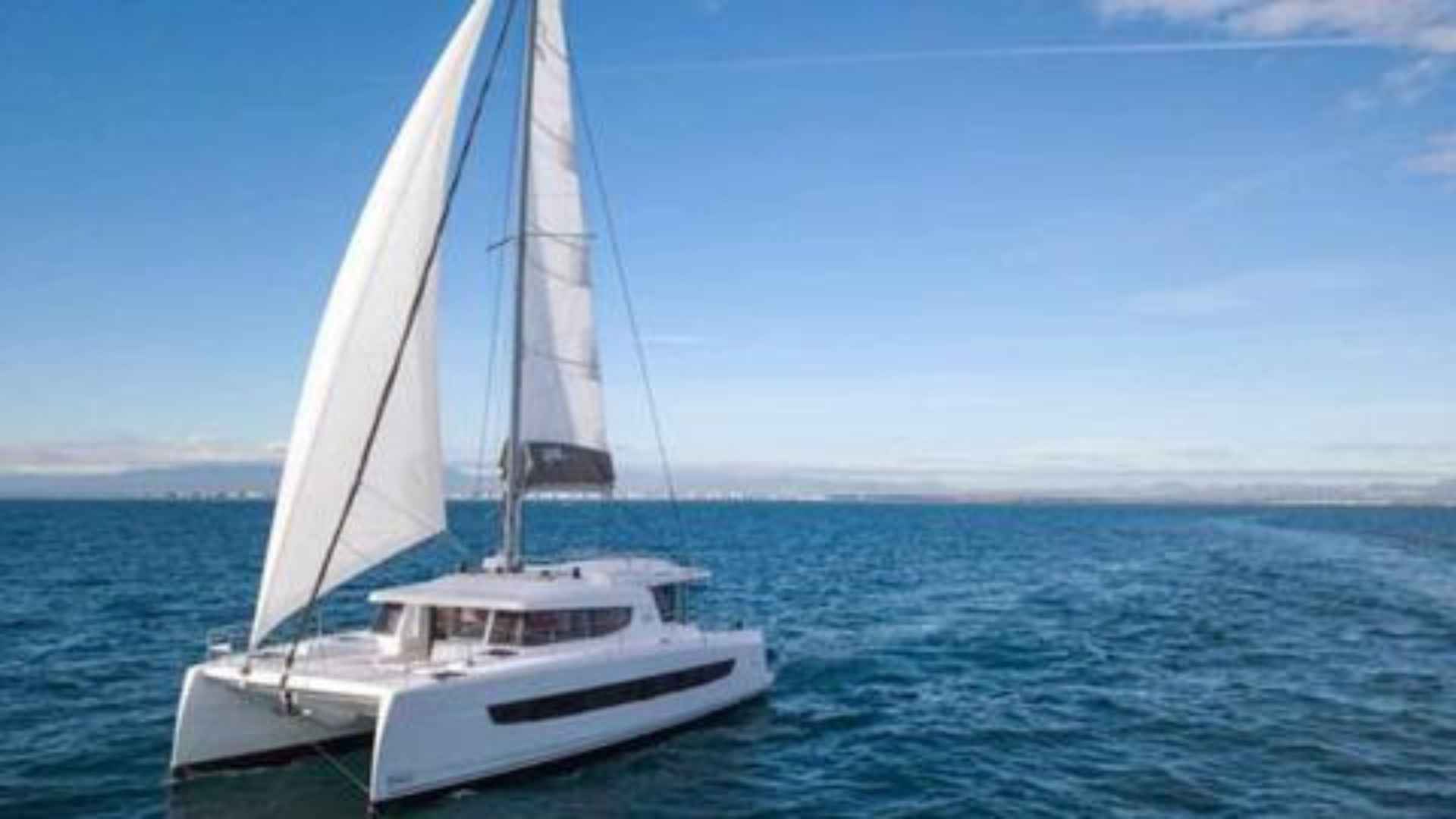
Bali 4.8 for sale 2020
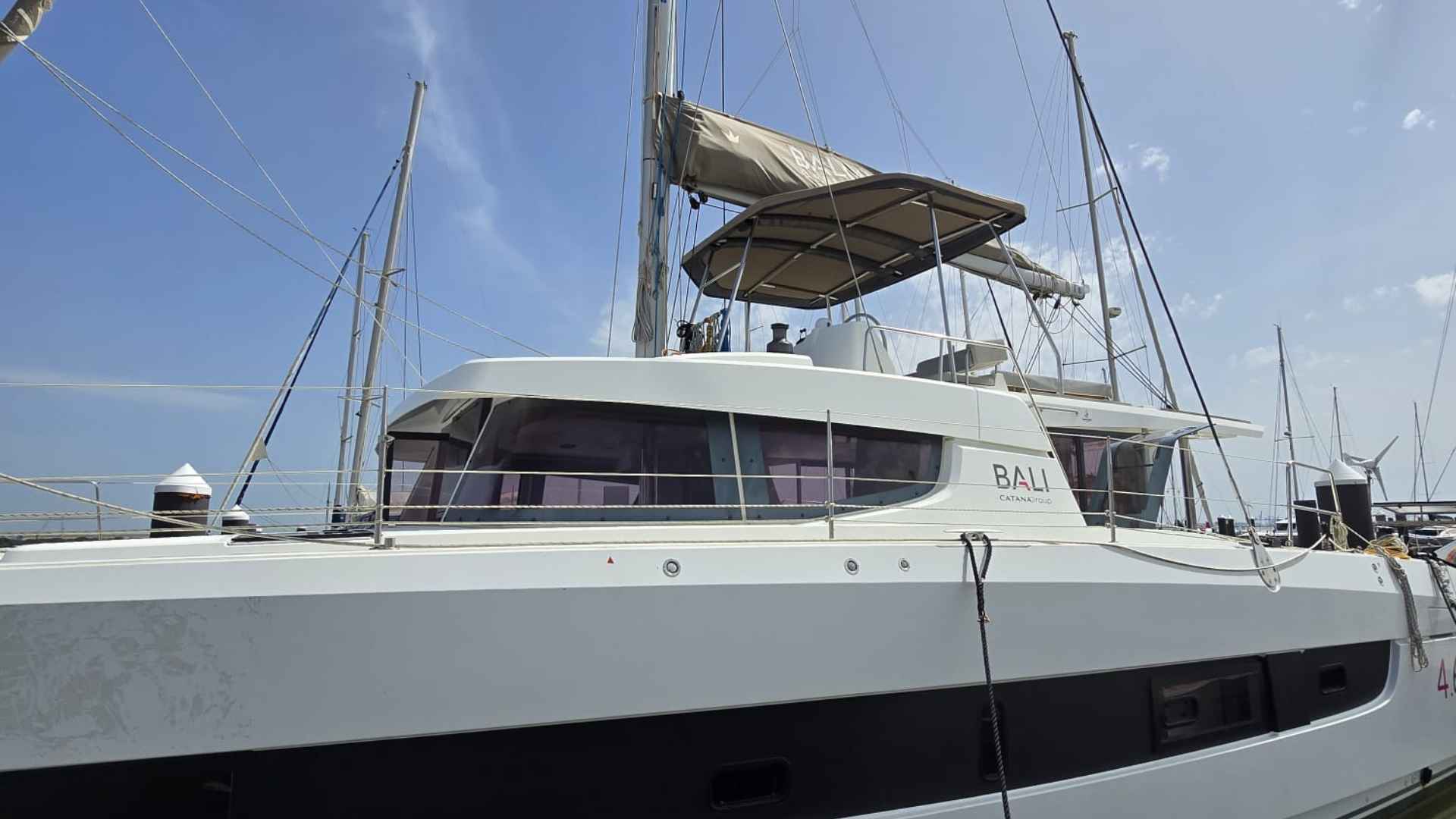
Bali 4.6 for sale 2022 (Barcelona)
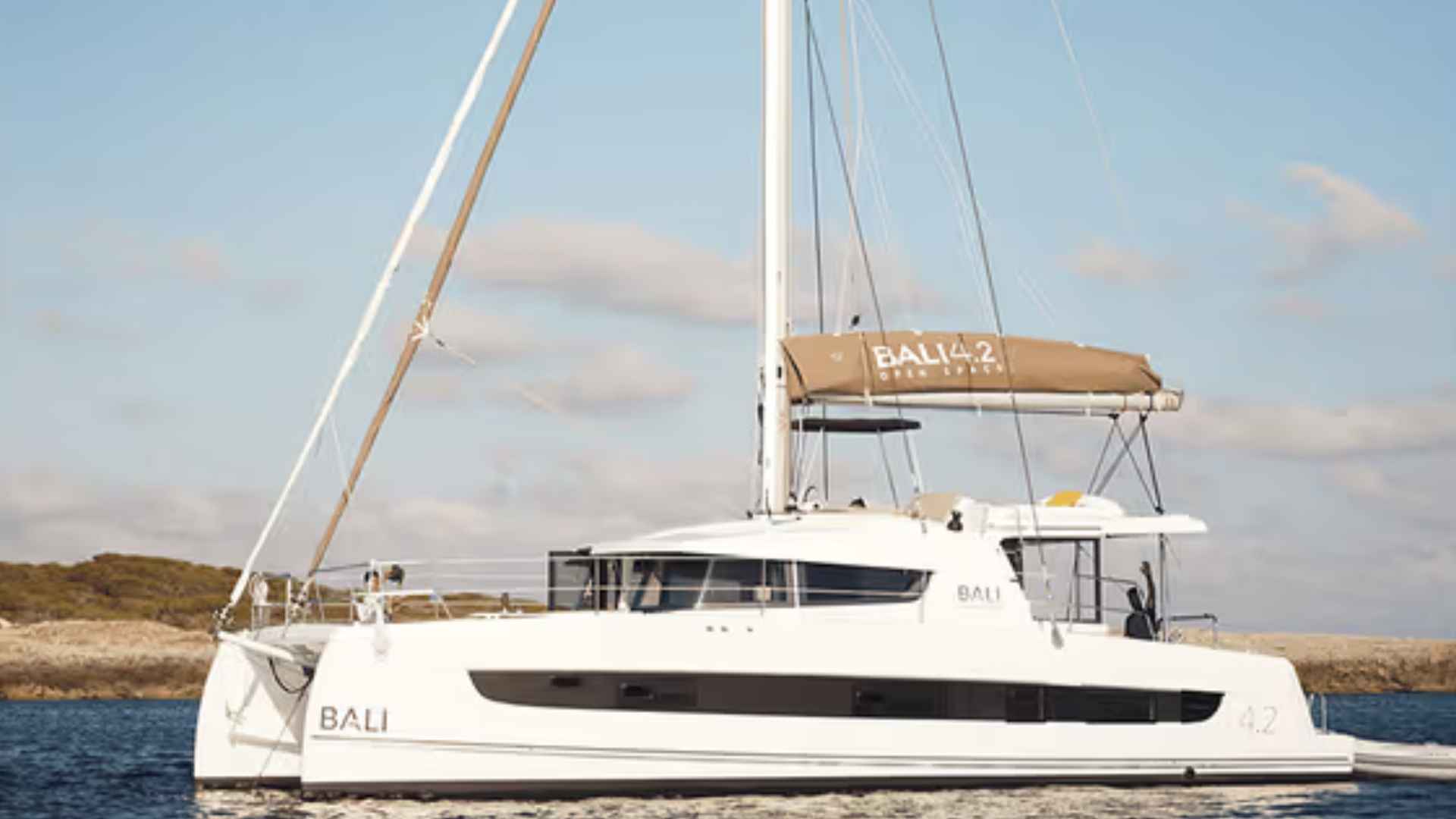
Bali 4.2 for sale 2025
Bali 4.4 for sale 2025 (Valencia)
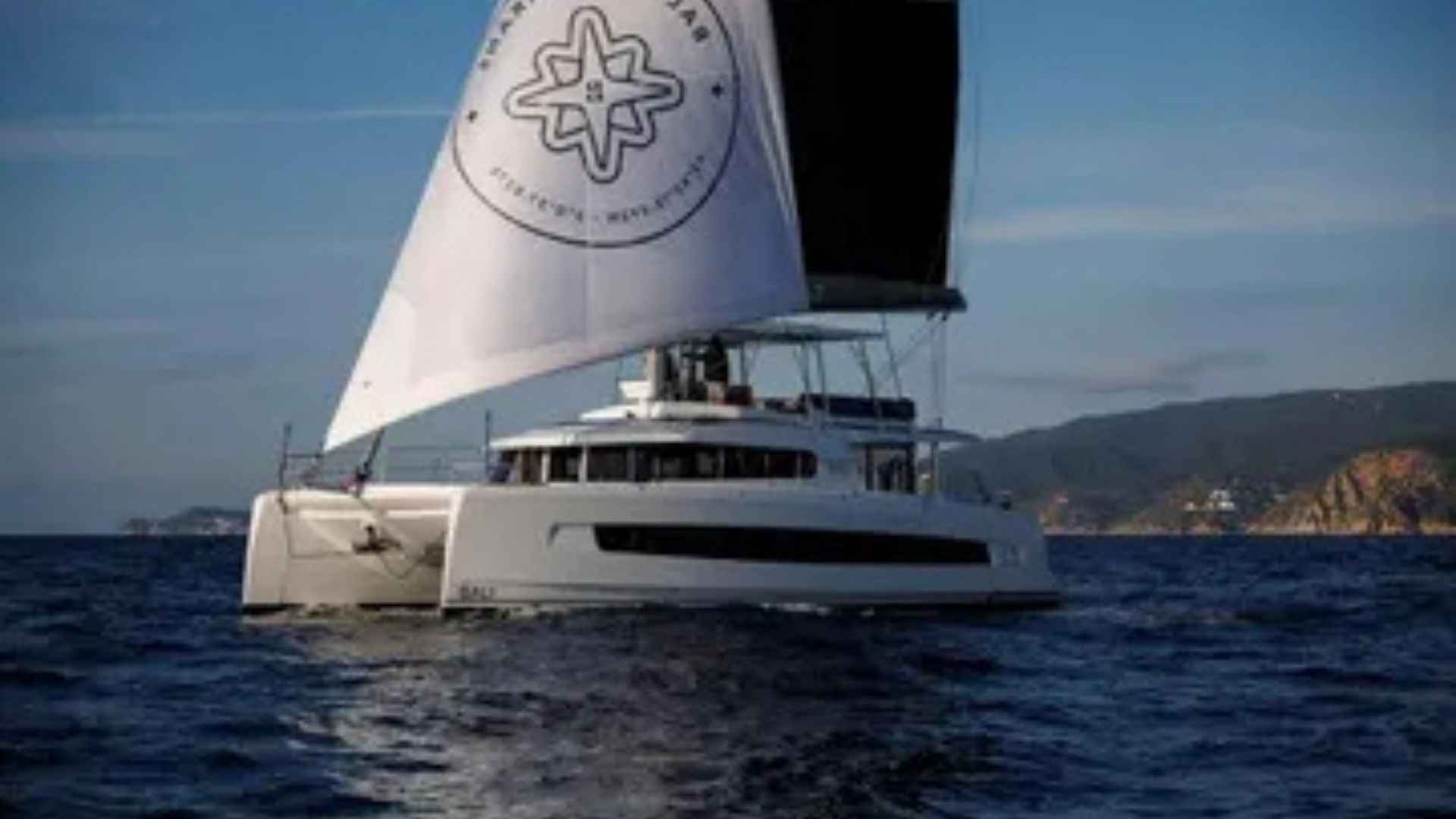
Bali 5.2 for sale 2025
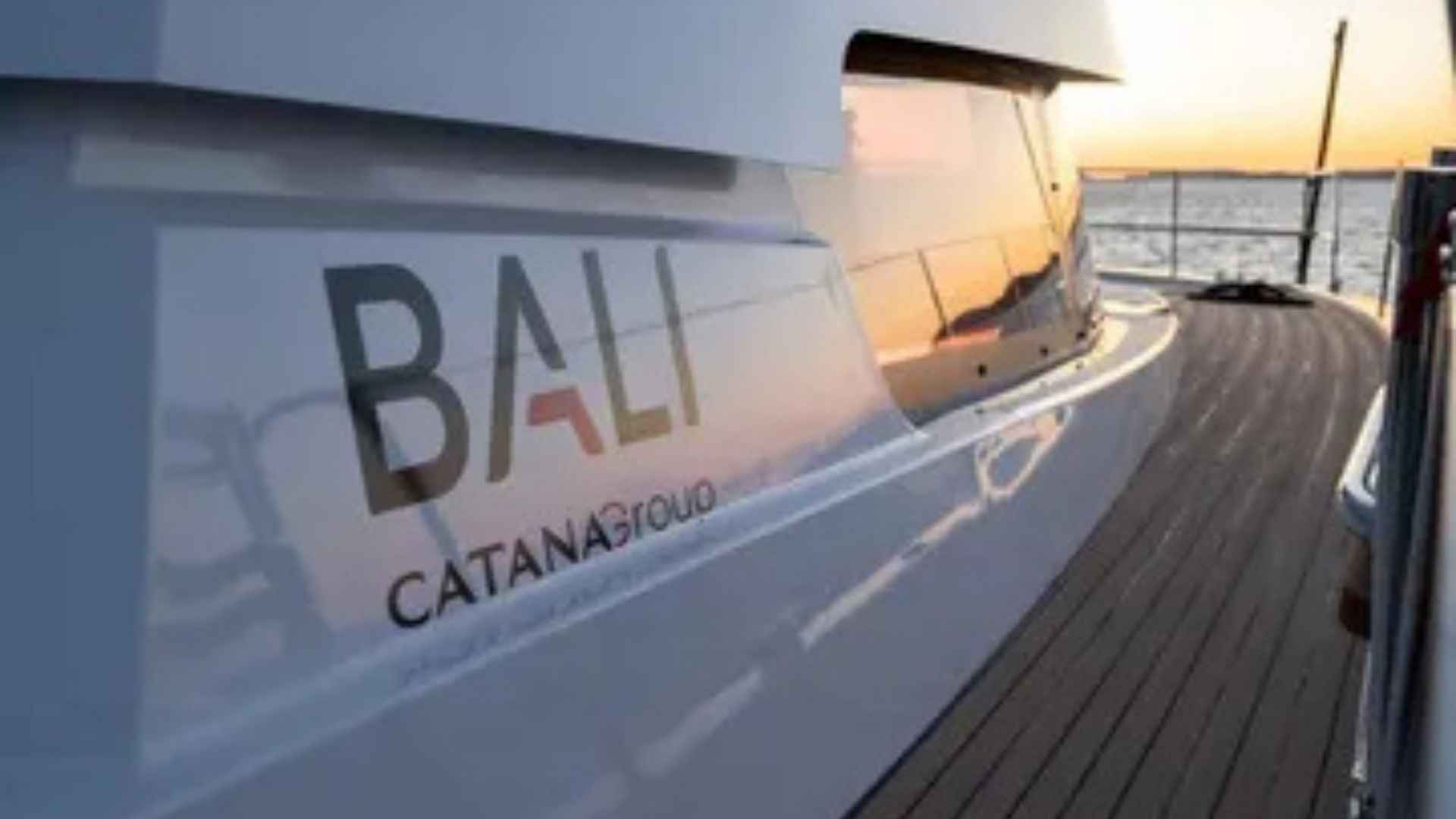
Bali 5.8 for sale 2025
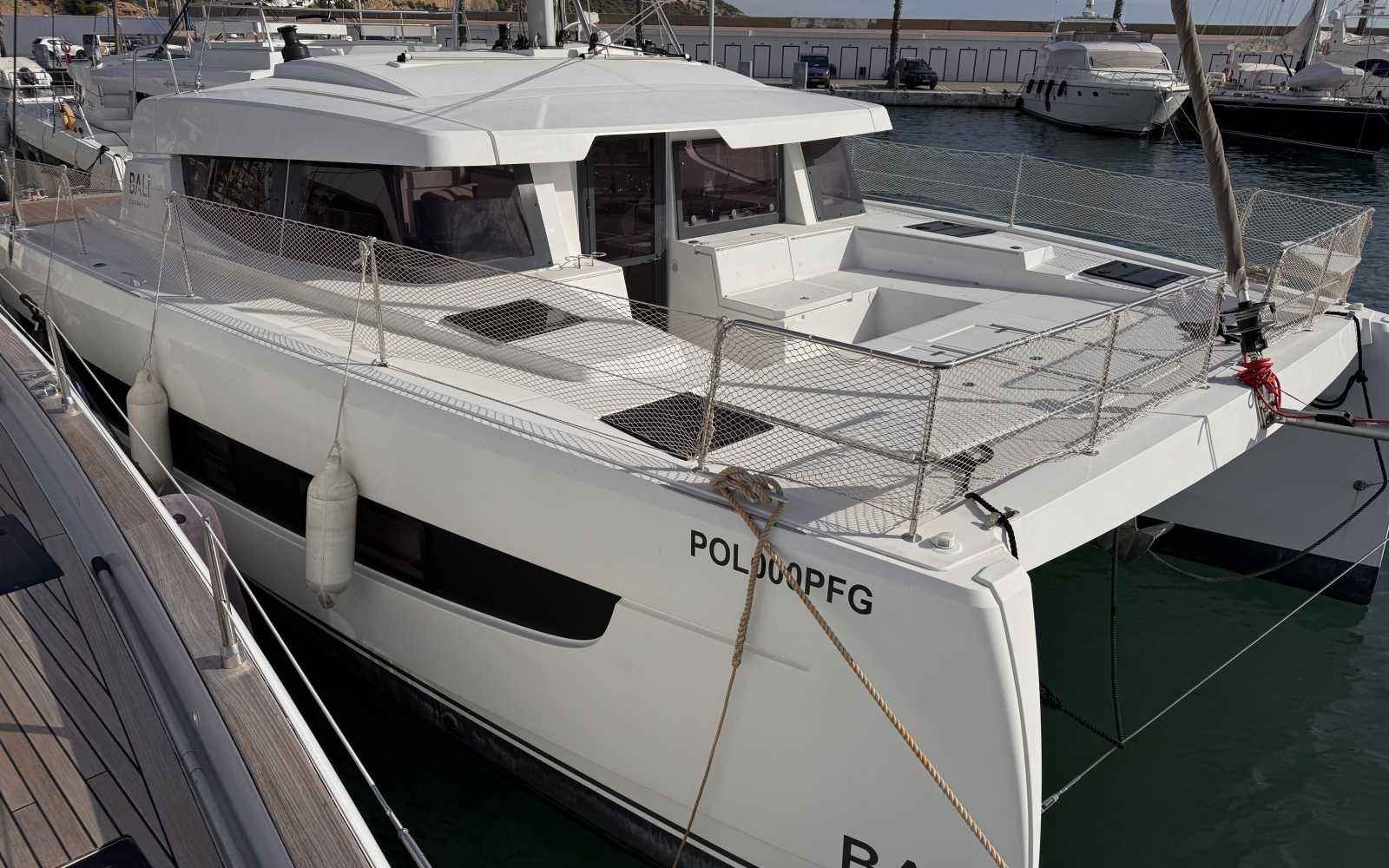
Bali 4.4 for sale 2022 (Sitges)
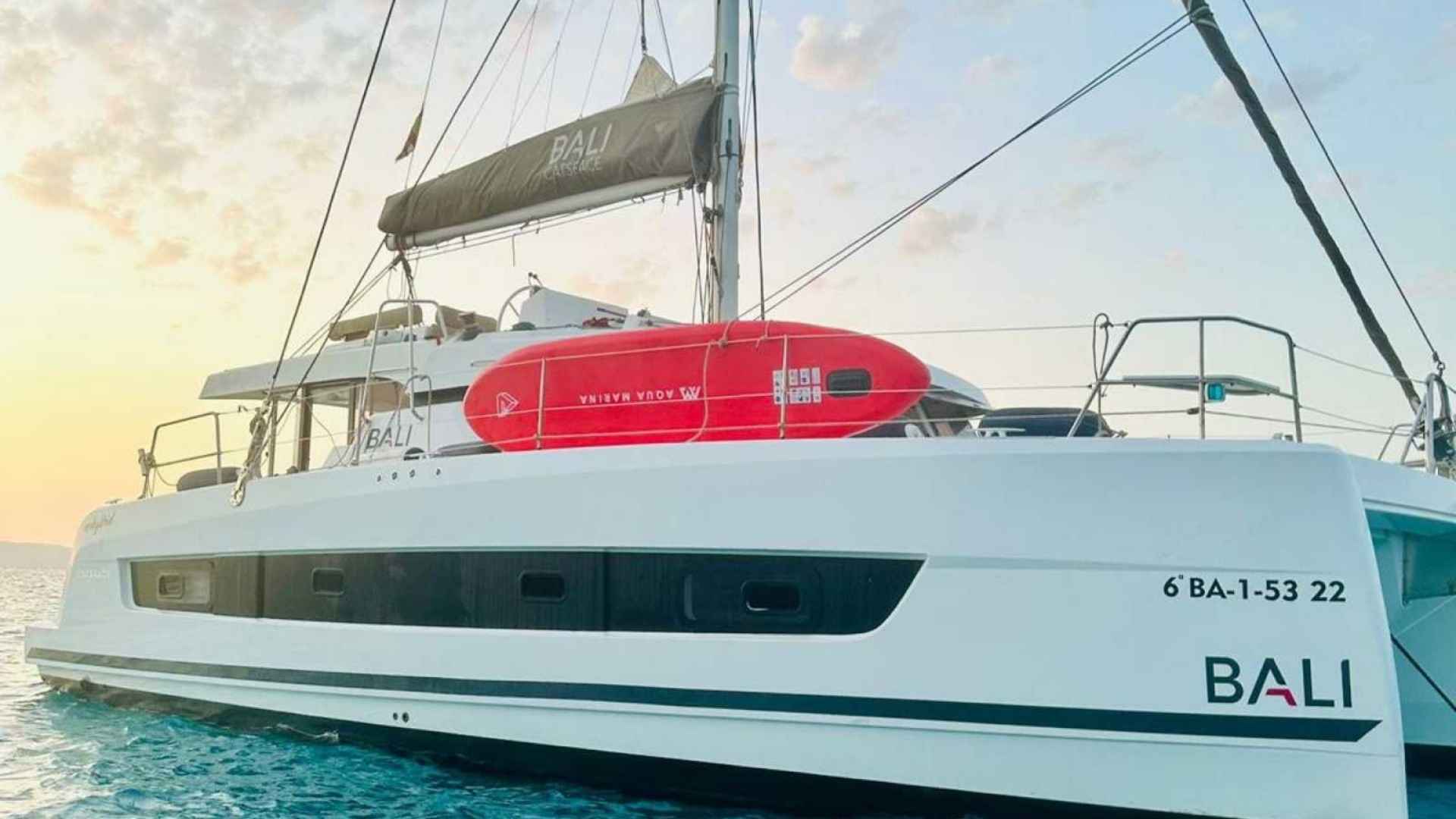
Bali Catspace for sale 2022
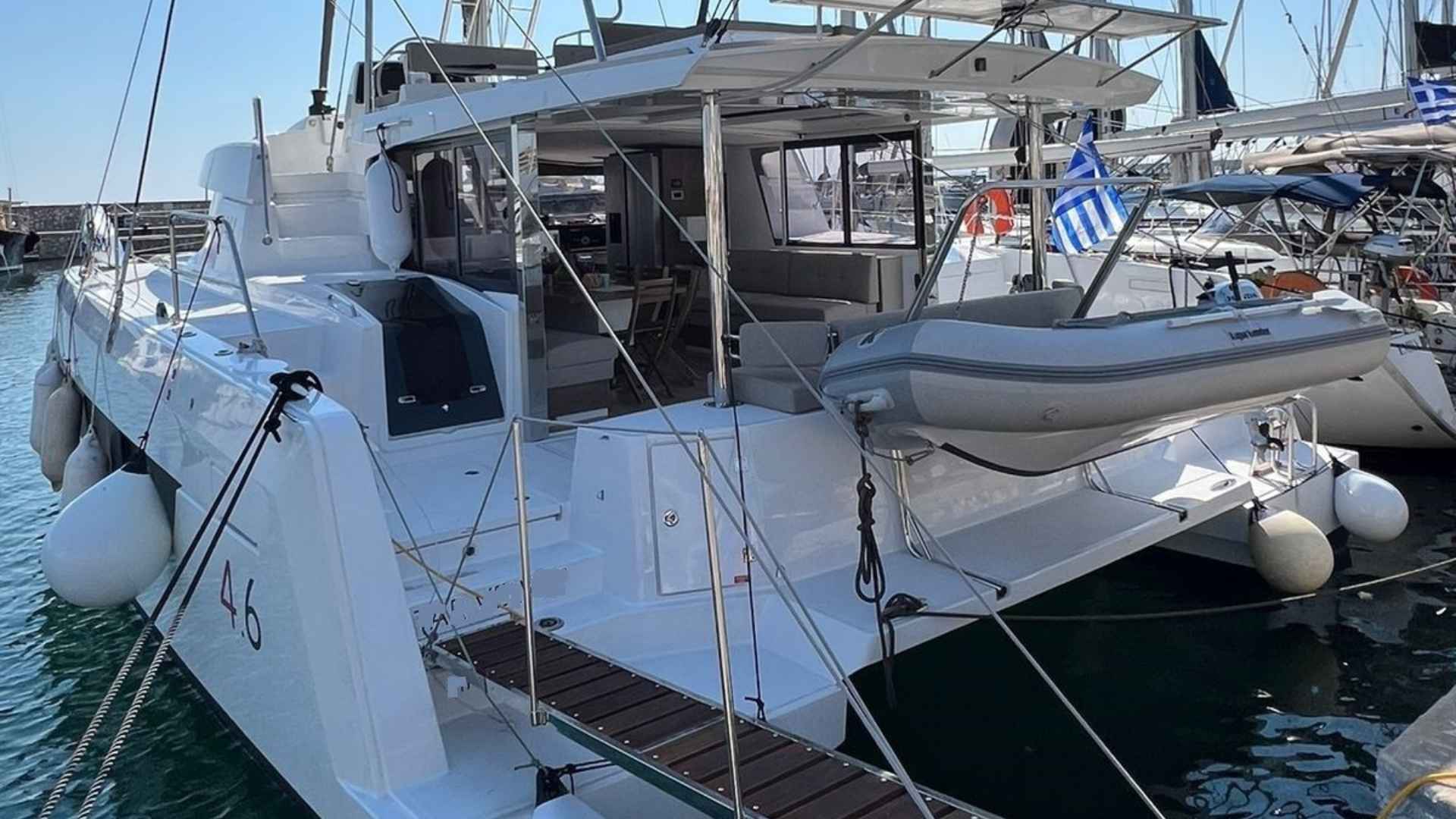
Bali 4.6 for sale 2023
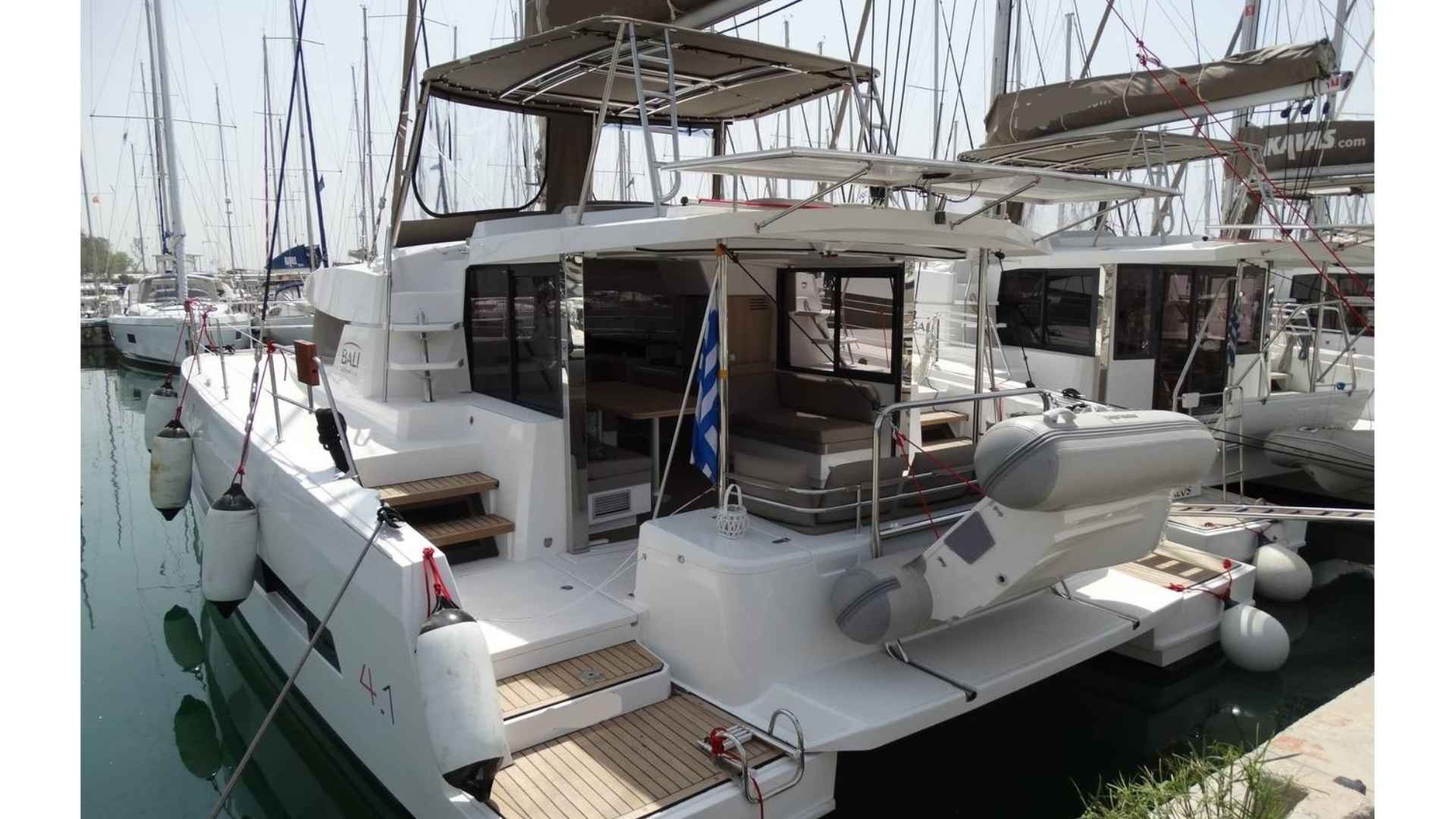
Bali 4.1 for sale 2018
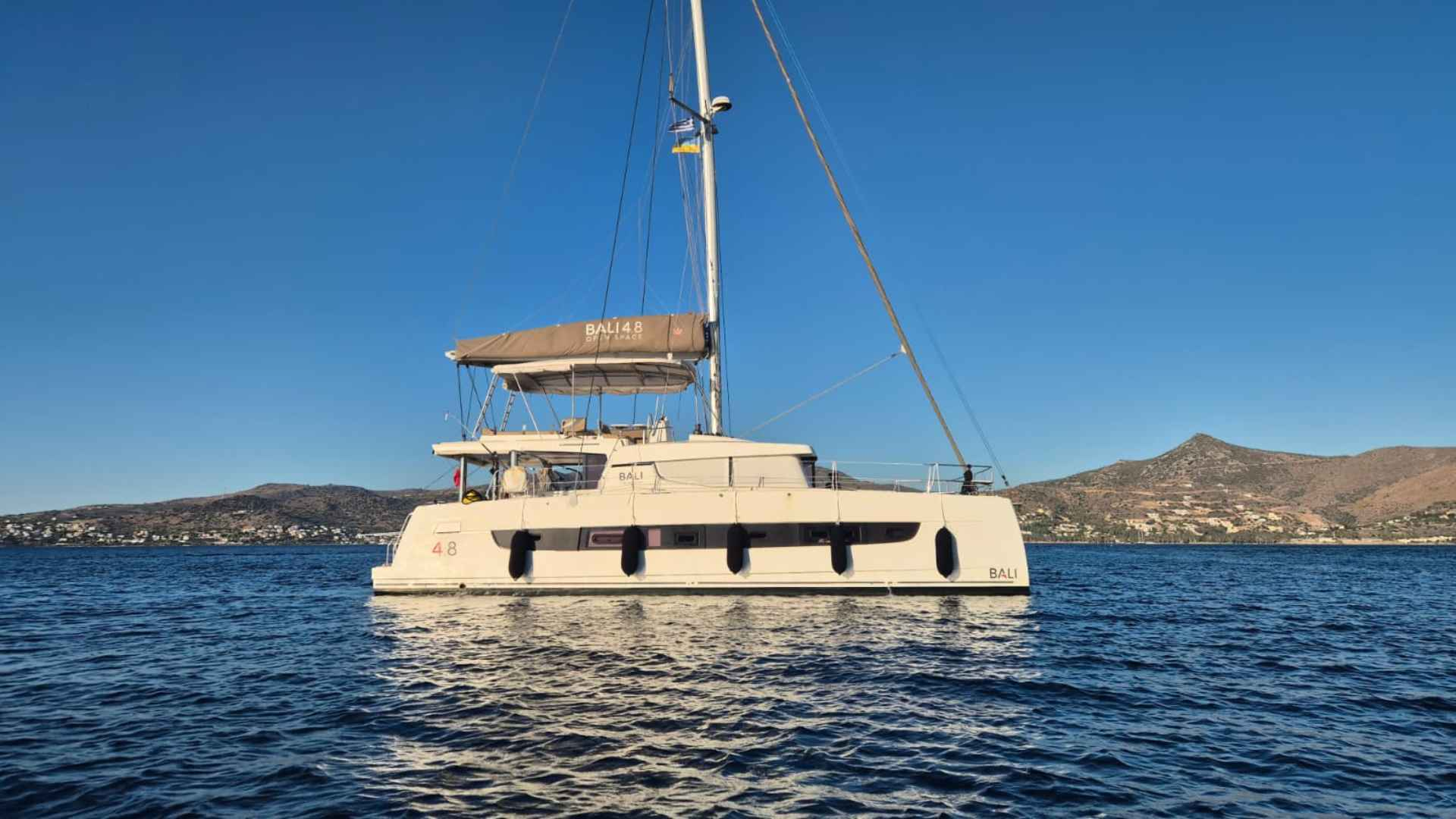
Bali 4.8 for sale 2022
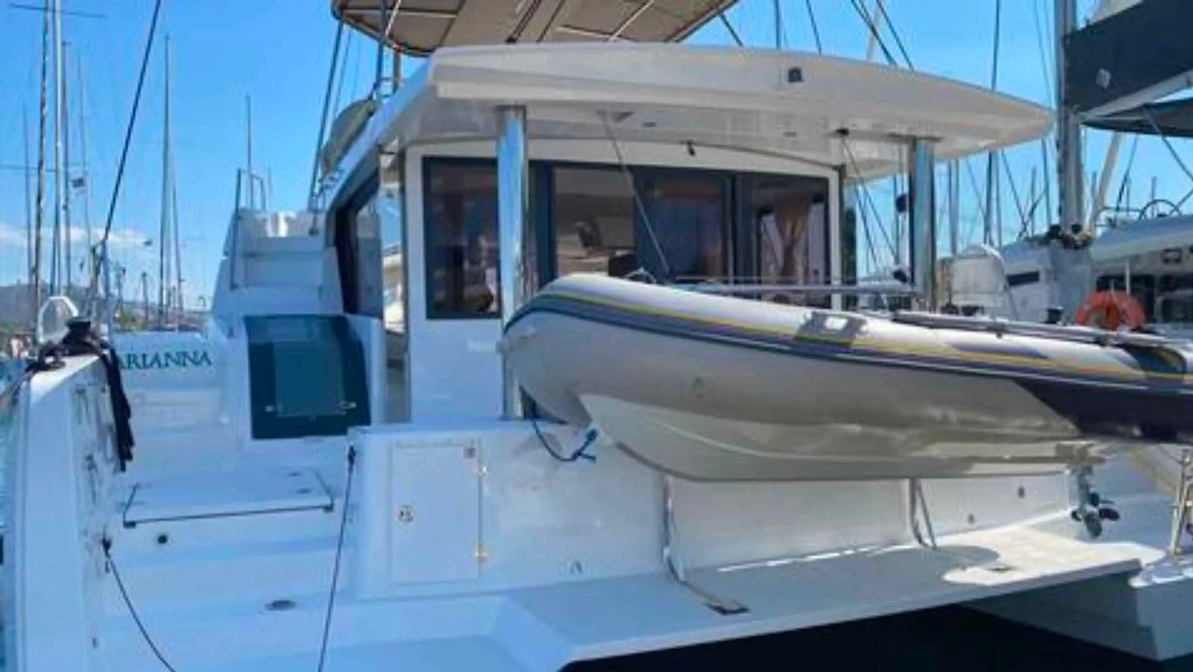
Bali 4.8 for sale 2021
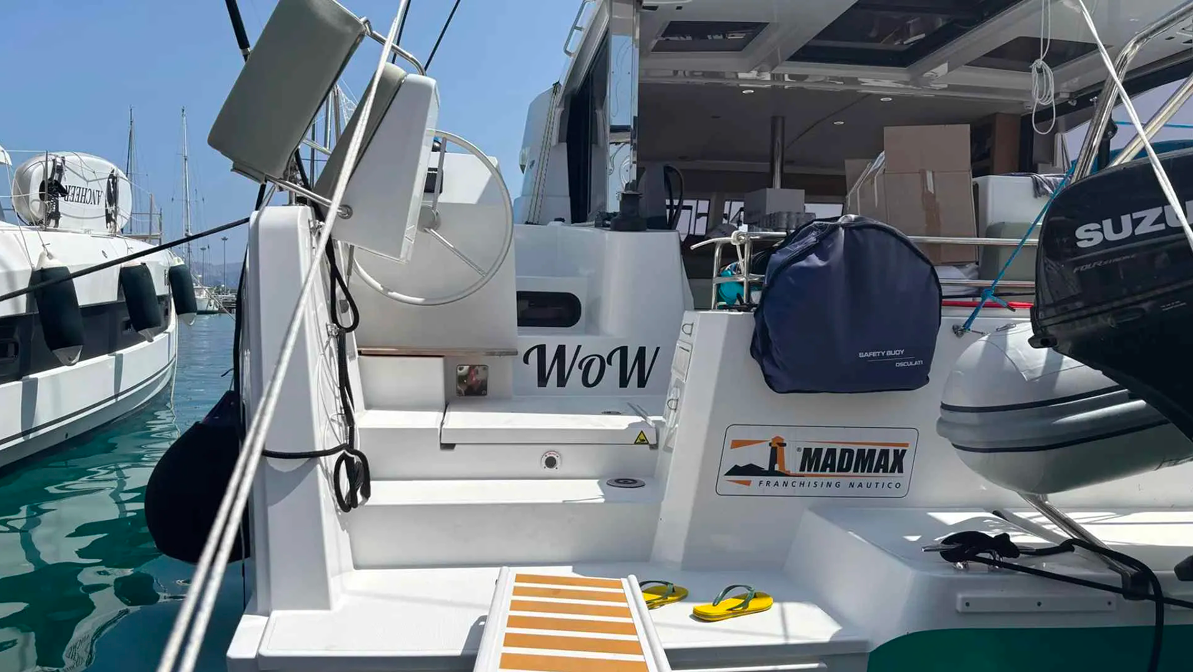
Bali Catsmart for sale 2024
Bali for sale across the Mediterranean.
Other catamarans brands and resources.
Bali — frequently asked questions.
What is the typical price range for a used Bali catamaran in 2026?
Used Bali 4.2-4.4 models from 2018-2022 typically range €380,000-€520,000, while Bali 4.6-4.8 examples list €620,000-€780,000. The Bali 5.4 starts around €900,000 for older units, exceeding €1.3M for recent builds. Charter exits are often priced 10-15% below private-use equivalents.
How does Bali compare to Lagoon and Fountaine Pajot?
Bali emphasizes interior volume and social space via the solid foredeck and forward cockpit, often yielding 10-15% more usable area than Lagoon or Fountaine Pajot at similar LOA. Lagoon offers better resale stability and slightly more robust construction; Fountaine Pajot focuses on sailing performance and finish details.
What should I inspect on a used Bali catamaran?
Prioritize rigging condition (many are charter exits with high hours), check engine service logs, inspect the forward cockpit door hinges and seals for wear, examine gel coat on bridgedeck for stress crazing, and survey all through-hulls and standing rigging. Request documentation of any osmosis treatment if the hull is pre-2019.
Which Bali model is best for liveaboard cruising?
The Bali 4.6 and 4.8 offer the best balance of space, systems redundancy, and offshore capability for liveaboards. The 5.4 provides even more volume but requires experienced handling and incurs higher berthing costs. Avoid charter-heavy 4.2/4.4 units unless fully refitted with new rigging and sails.
Are Bali catamarans suitable for ocean crossings?
Bali catamarans are capable of ocean passages but are optimized for coastal and charter use. The open foredeck and reduced structural bulkheading raise concerns among some surveyors for heavy weather. Owners planning offshore work should upgrade rigging, add redundant steering, and carefully evaluate build date and prior usage.
What are typical annual ownership costs for a Bali 4.4?
Budget €18,000-€26,000 annually for a Bali 4.4 including insurance (€3,500-€5,000), marina berth (€8,000-€14,000 Mediterranean), maintenance reserves (€5,000-€6,000), and antifouling. Charter management programs may offset 40-60% of costs but accelerate wear and require post-season refits.
Where is the best place to buy a used Bali catamaran in Europe?
The largest concentrations of used Bali inventory are in southern France (La Grande-Motte, Port-Pin-Rolland), Greece (Athens, Corfu), and Croatia (Split, Pula). Charter company fleet sales occur mostly in spring; private listings peak in autumn. Work with brokers familiar with Catana Group build variations by year.
What are common issues with early Bali models (2014-2018)?
Early Bali 4.0 and first-generation 5.4 units exhibit gel coat crazing on bridgedecks, window seal leaks around the forward cockpit door, and undersized anchor windlasses. Rigging turnbuckles on some 2015-2017 models were replaced under warranty. Post-2019 builds show improved quality control and hardware specification.
Ready to find your Bali?
Browse the live inventory above, drill into a specific model, or talk directly to a vetted broker. No middlemen, no lead-generation pay-walls.