Beneteau sailing yachts for sale.
Groupe Beneteau, founded in 1884 in Saint-Gilles-Croix-de-Vie, France, is the world's largest sailing yacht manufacturer by volume. The company's portfolio spans entry-level cruisers through blue-water passage makers, with the Oceanis line serving as its volume backbone. Current production includes the Oceanis 30.1 through 60, the performance-oriented First range, and the powerboat lines Antares and Swift Trawler. Beneteau also controls Jeanneau, Lagoon, Excess, Prestige, and Monte Carlo Yachts, making it a dominant force in the global production boat market. The brand's strength lies in its extensive dealer network, accessible pricing, and consistent model updates on roughly five-year cycles.
About Beneteau.
The Oceanis range targets cruising sailors prioritizing interior volume, ease of handling, and modern styling over racing performance. Models from the 30.1 to 40.1 dominate the charter fleet market, particularly in the Mediterranean and Caribbean, which means the used market offers abundant inventory but also boats with intensive prior use. The 46.1, 51.1, and 54 appeal to private owners seeking liveaboard or long-distance capability. The First line, relaunched in the late 2010s with models like the First 36 and First 44, targets sailors wanting more performance without the compromises of pure racers. Build quality is workmanlike—adequate for most cruising but not yacht-yard artisanal.
Beneteau's market position means buyers benefit from parts availability, service network access, and strong resale liquidity, but face depreciation typical of volume-built boats. The company introduced significant design shifts around 2017-2019 with the .1 suffix Oceanis models, featuring plumb bows, twin rudders, and chined hulls. These changes divided opinion: advocates cite improved motion and deck space, critics note increased windage and less traditional aesthetics. Potential buyers should verify whether keel options (shallow draft, deep, lifting) and sail plans match intended use, as charter-spec boats often sacrifice performance for ease of handling.
When evaluating used Beneteau sailboats, focus on through-hull integrity, keel bolt condition (especially on older swing-keel models), and rigging service history. Osmosis and gelcoat stress cracking are common on pre-2010 hulls. Interior joinery on boats built before 2005 shows its age more quickly than structure. The brand's ubiquity means competitive pricing: expect to pay €80,000–€140,000 for a well-maintained Oceanis 38/40 from 2015–2020, €180,000–€280,000 for a 46.1 or 51.1 from similar years. The Mediterranean used market offers the broadest selection, but charter pedigrees require careful inspection. Beneteau competes directly with Jeanneau (stablemate), Bavaria, Hanse, and Dufour in the volume cruiser segment.
The Beneteau range in production today.
The Beneteau current range covers a variety of sizes and configurations. Below is the full lineup with current model years and key positioning notes.
Beneteau for sale right now.
9 verified Beneteau currently listed across the Mediterranean. Showing the 9 most recent — see all on the marketplace, or drill down to a specific model above.
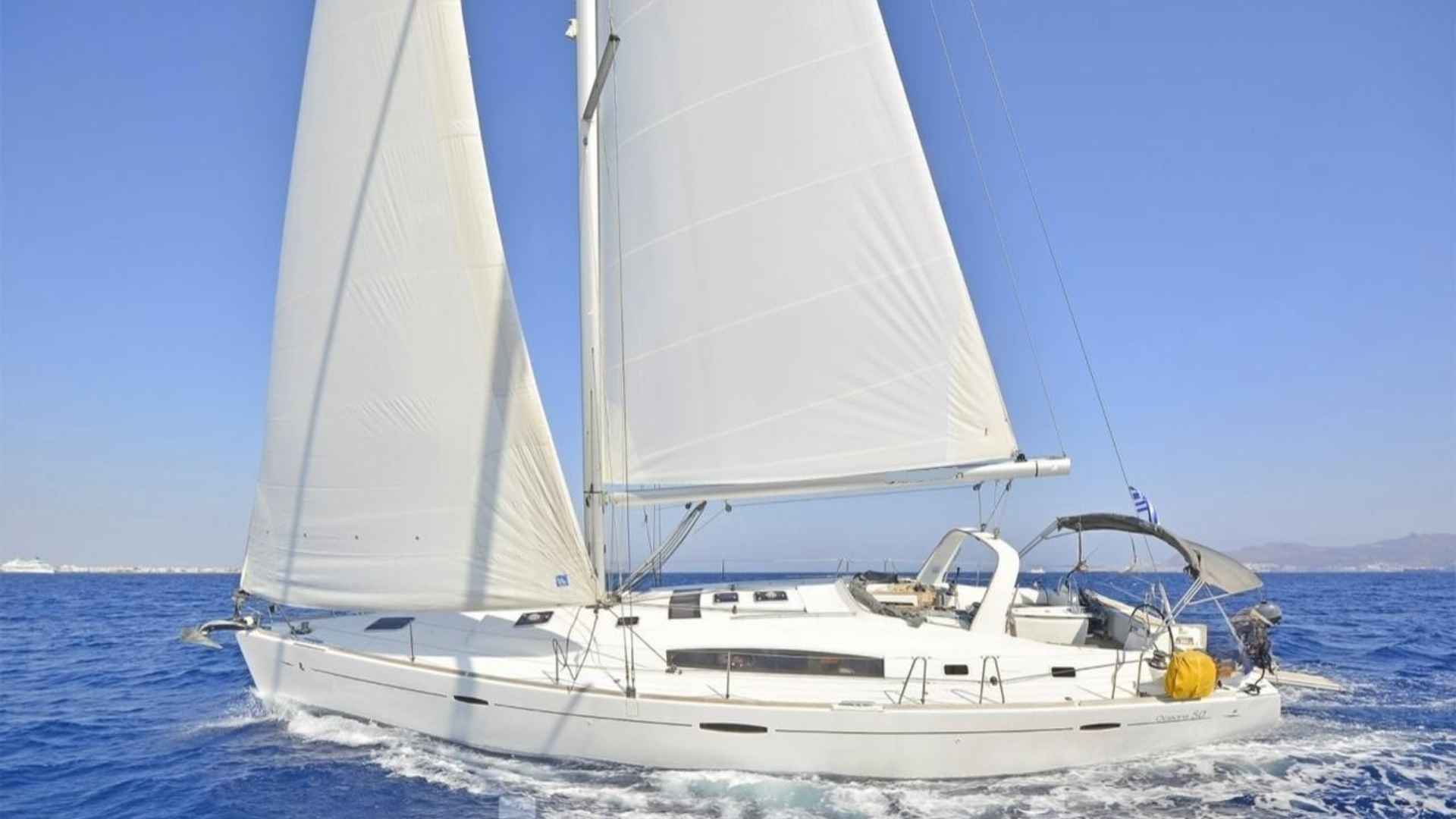
Beneteau Oceanis 50 F For Sale 2012
Beneteau Oceanis 51.1 for sale 2019 (Valencia)
Beneteau Oceanis 46 for sale 2008
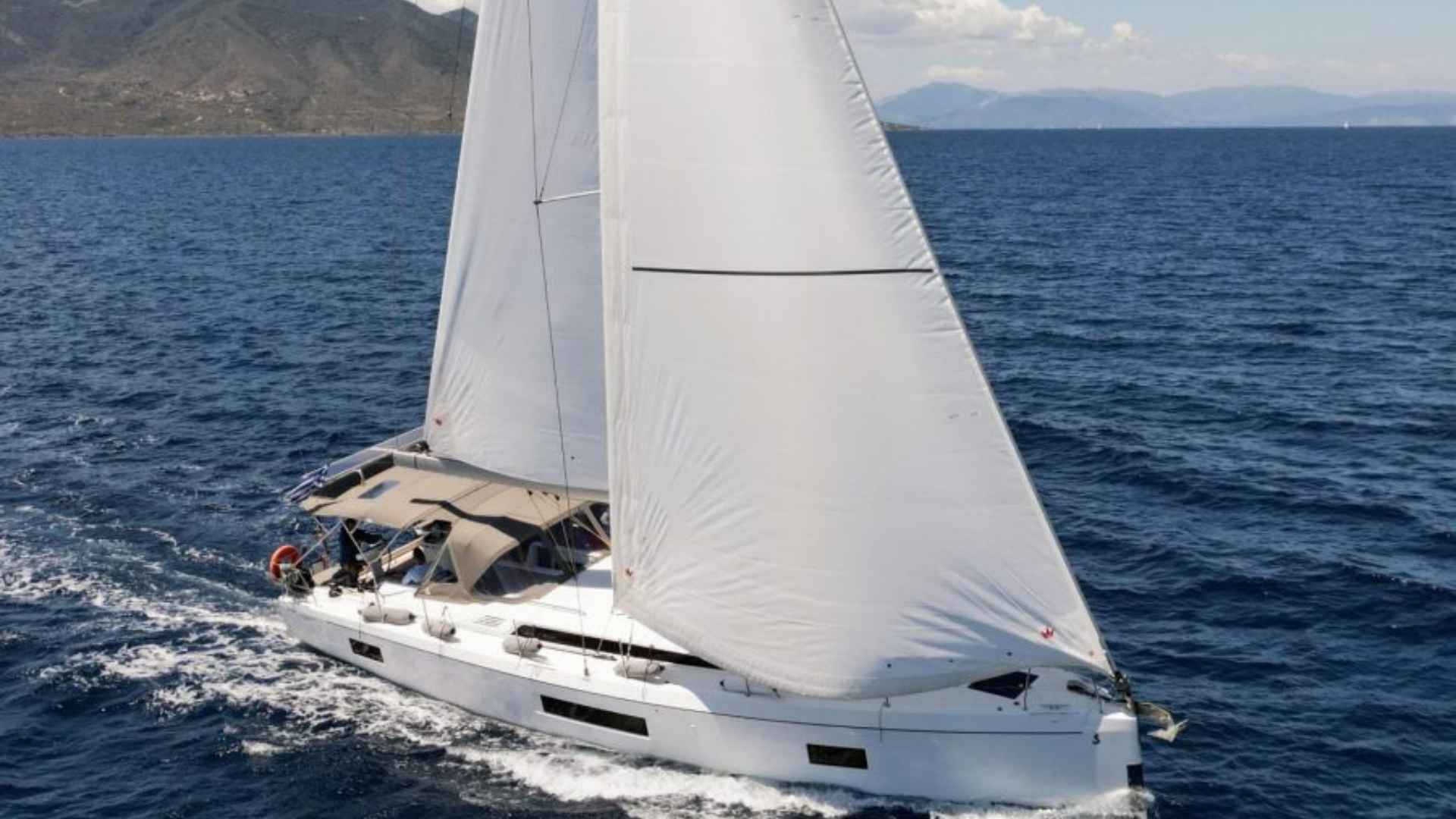
Beneteau Oceanis 51.1 for sale 2023
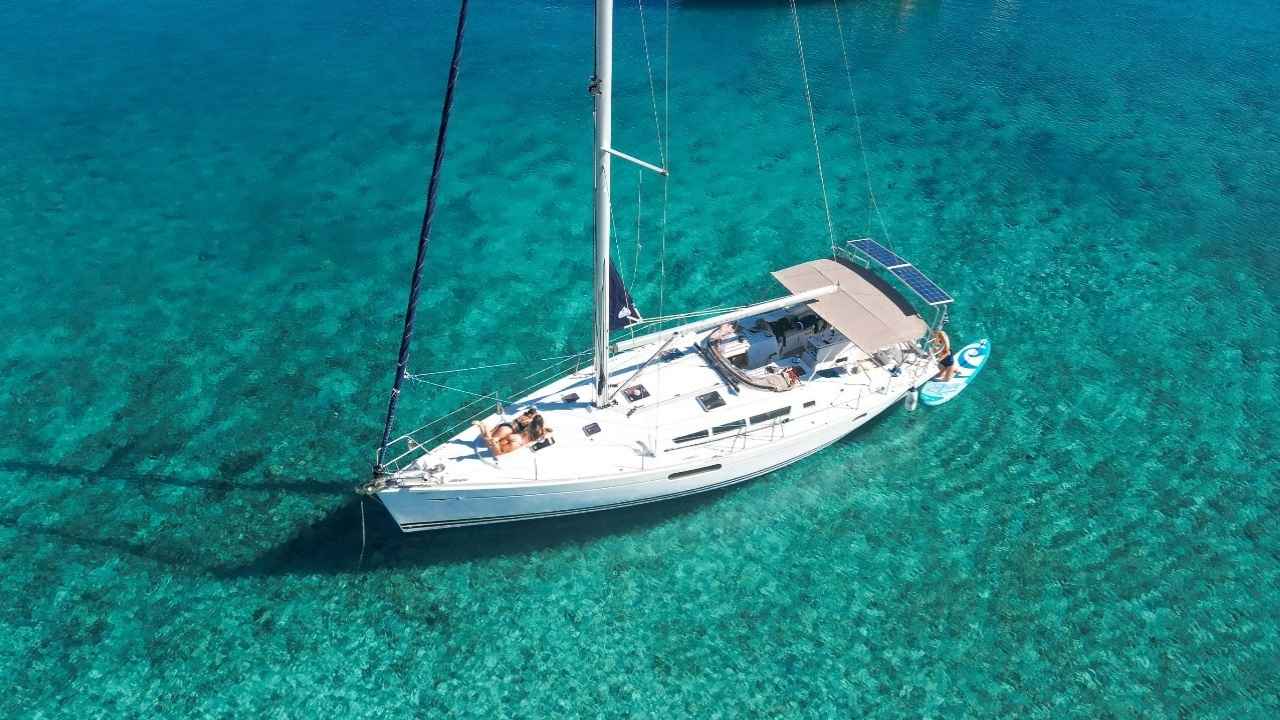
Beneteau Oceanis 41.1 for sale 2017
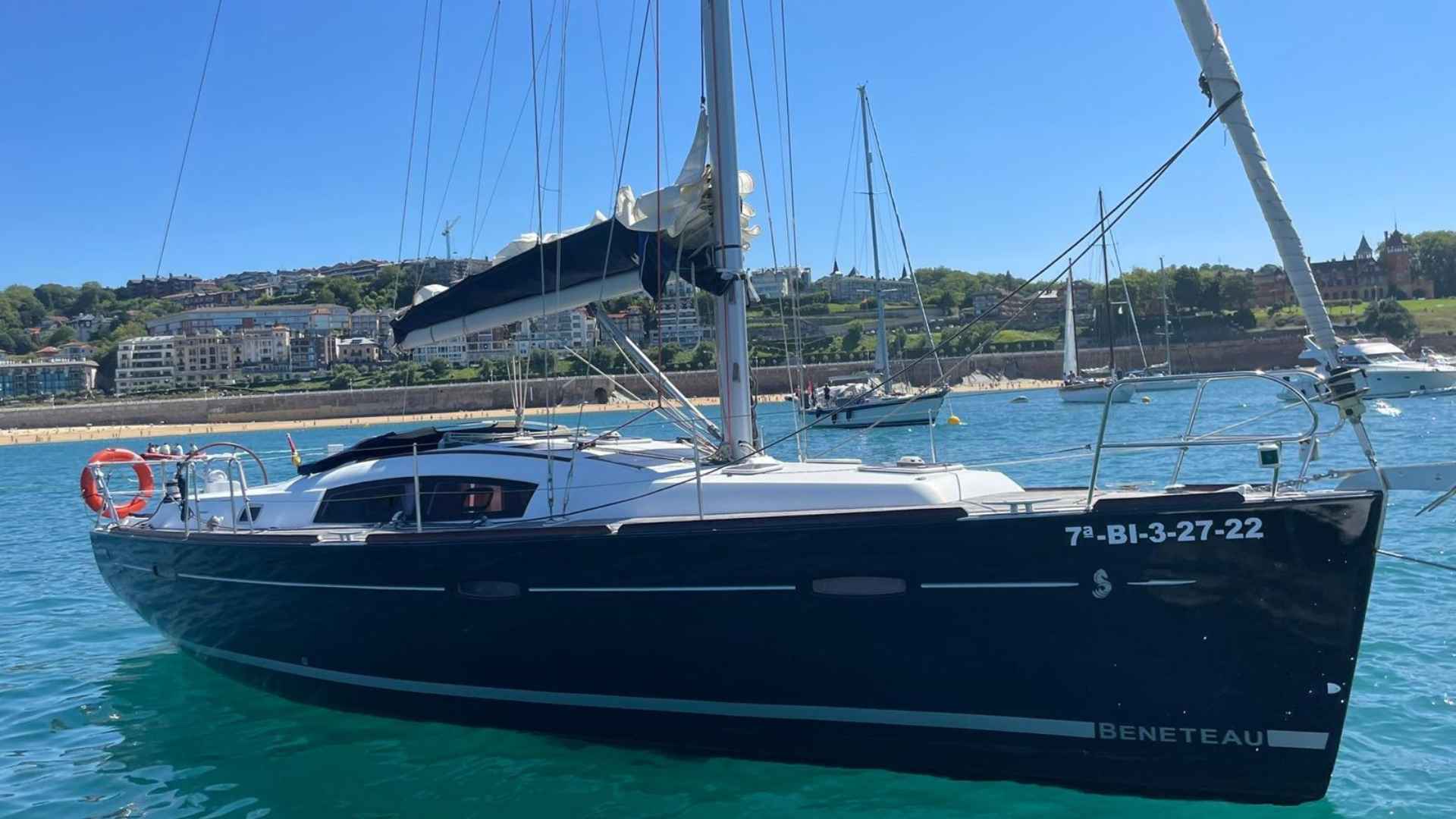
Beneteau Oceanis 40 for sale 2010
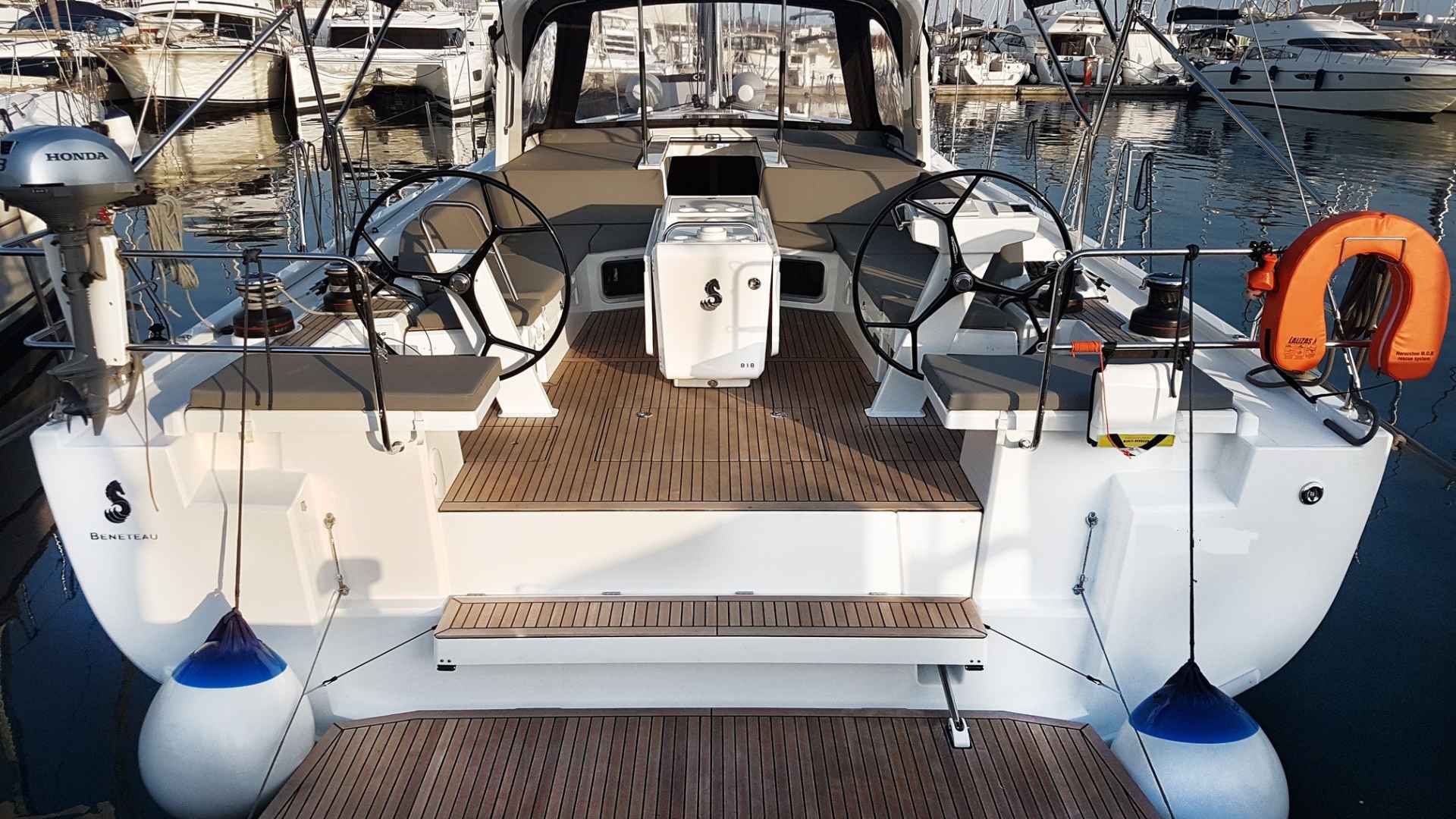
Beneteau Oceanis 51.1 for sale 2018
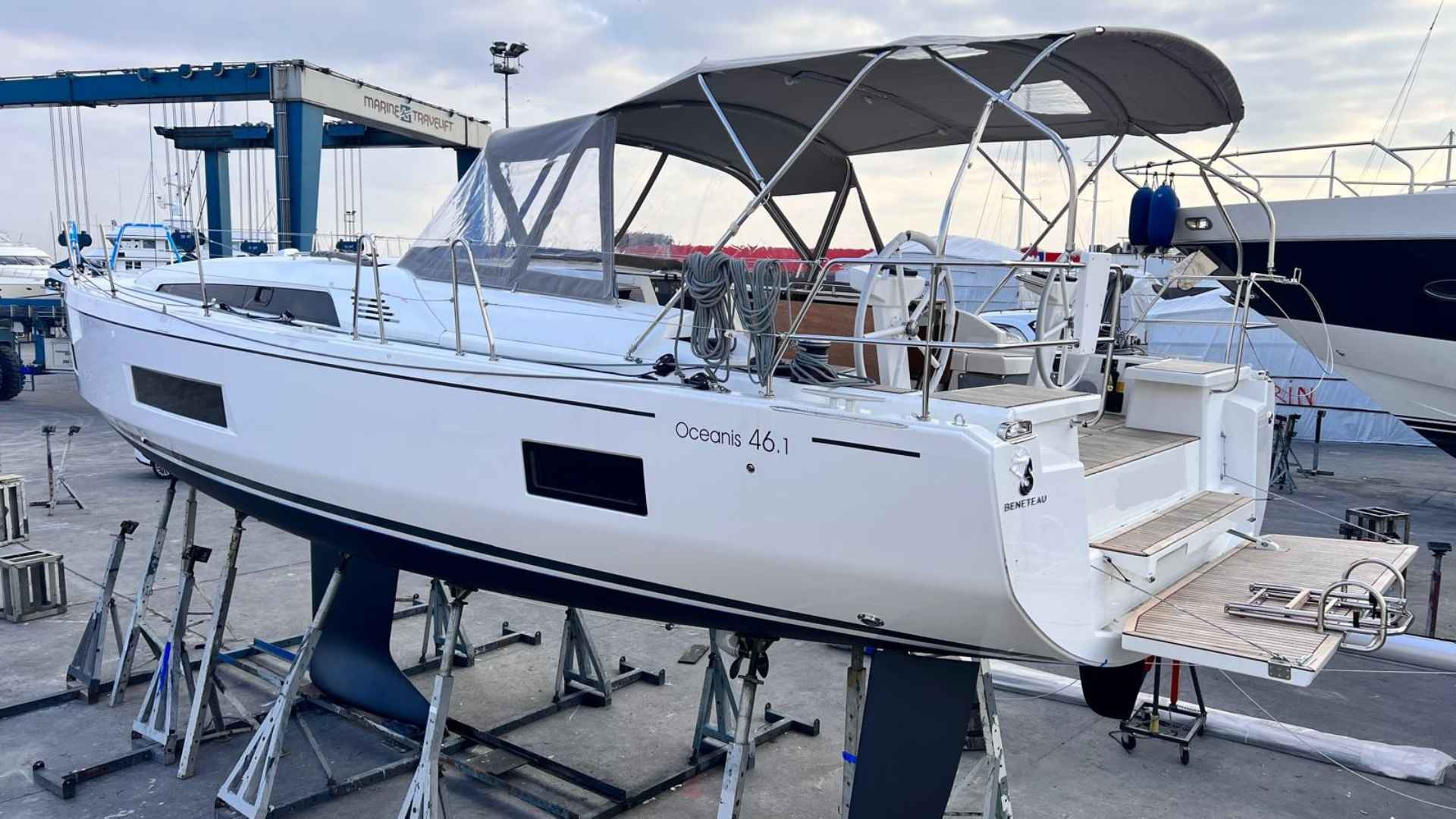
Beneteau Oceanis 46.1 for sale 2023
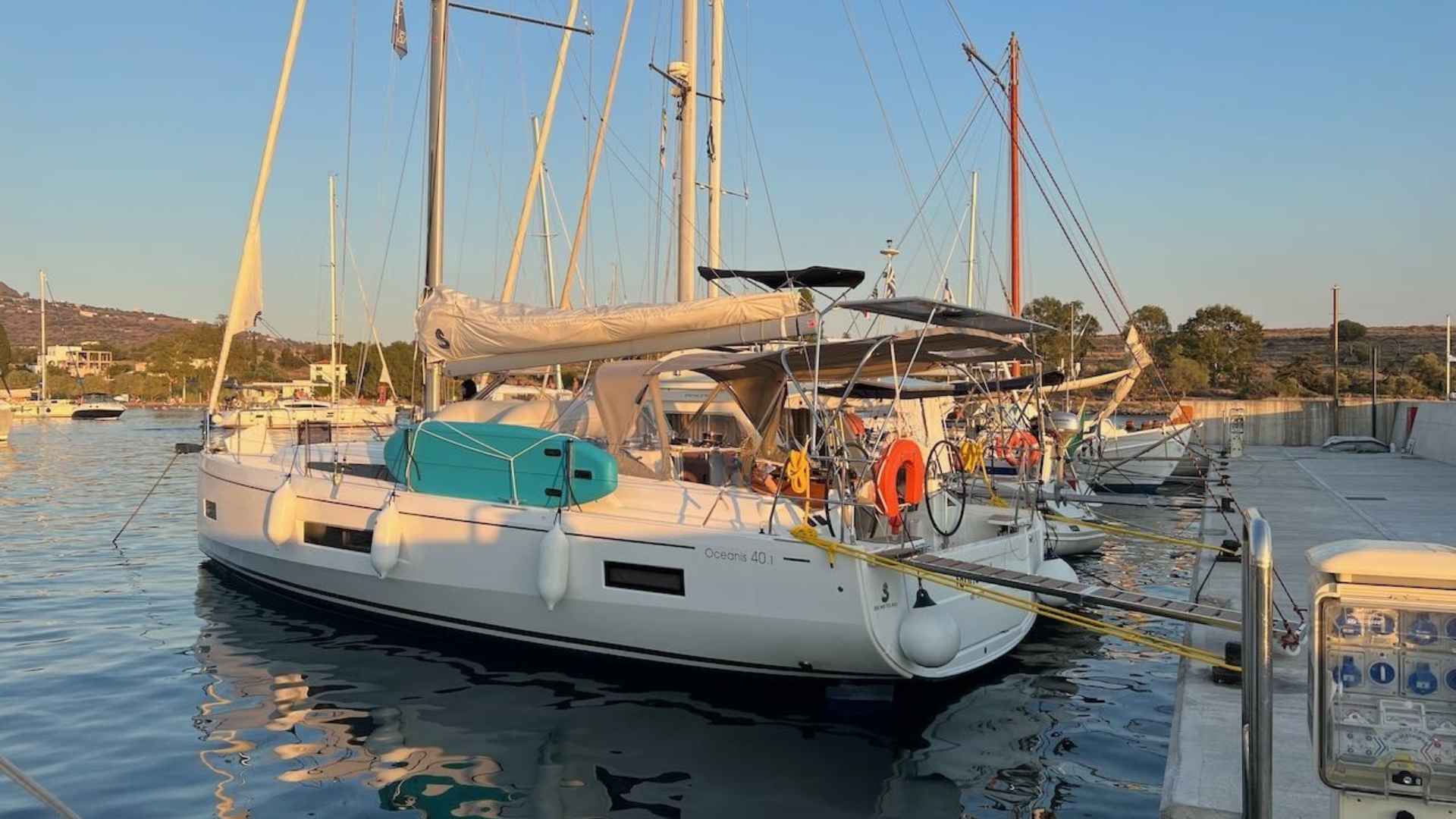
Beneteau Oceanis 40.1 for sale 2022 (Athens)
Beneteau for sale across the Mediterranean.
Other sailing yachts brands and resources.
Beneteau — frequently asked questions.
What is the typical price range for a used Beneteau Oceanis?
A 38-40 foot Oceanis from 2015–2020 ranges €80,000–€140,000. Older models (2005–2012) in similar size run €50,000–€90,000. Larger Oceanis 46.1 or 51.1 models from recent years cost €180,000–€280,000 depending on spec and charter history.
How does the Oceanis line differ from the First line?
Oceanis models prioritize interior volume, ease of handling, and comfort for cruising families or charters. First models emphasize sailing performance, lighter displacement, and sportier handling. First boats sacrifice some interior space for speed and responsiveness under sail.
What changed with the .1 suffix Oceanis models introduced around 2017?
The .1 generation brought plumb bows, chined hulls, twin rudders, and increased beam carried aft. These changes added interior volume and modern styling but also increased windage and divided traditionalists. Handling under power and sail differs noticeably from pre-.1 models.
Are Beneteau boats expensive to maintain compared to competitors?
Maintenance costs are typical for volume production boats. Parts availability is excellent due to the dealer network. Annual costs for a 40-footer run €3,000–€6,000 including insurance, mooring, antifouling, and routine service, similar to Bavaria, Jeanneau, or Hanse equivalents.
How does Beneteau compare to Bavaria and Hanse?
Beneteau offers broader dealer support and stronger resale liquidity. Bavaria often undercuts on price with similar volume. Hanse emphasizes easier single-handing and more modern systems. Build quality is comparable across all three; choice often comes down to dealer proximity and specific layout preferences.
Where is the best market to buy a used Beneteau?
The Mediterranean has the largest inventory, especially Greece, Croatia, and France. Many are ex-charter boats requiring careful inspection. Northern Europe offers privately-owned boats with lower usage but fewer choices. Caribbean inventory exists but importation to Europe adds cost and complexity.
What should I inspect on a used Beneteau before purchase?
Check keel bolts and sumps for corrosion, hull for osmosis or stress cracks, rudder bearings on twin-rudder models, and standing rigging service records. Verify through-hulls and seacocks. Ex-charter boats need extra scrutiny of winches, sail condition, and engine hours relative to age.
Do Beneteau sailboats hold their value well?
Resale liquidity is strong due to brand recognition and volume, but depreciation is typical for production boats—expect 40–50% loss in first five years. Charter pedigree accelerates depreciation. Well-maintained private boats in desirable sizes (38–46 feet) sell faster than smaller or larger models.
Ready to find your Beneteau?
Browse the live inventory above, drill into a specific model, or talk directly to a vetted broker. No middlemen, no lead-generation pay-walls.