Dufour sailing yachts for sale.
Dufour Yachts, based in La Rochelle since 1964, occupies the performance-cruiser segment between volume builders like Beneteau and premium marques such as Hallberg-Rassy. The brand has changed hands multiple times—from Bavaria Yachts to Fountaine Pajot, and most recently to the Hanse Group in 2019. This ownership history has influenced production continuity and parts availability, something prospective buyers should verify for older models. Dufour's current lineup spans 32 to 61 feet, with the 37, 41, and 44 representing the brand's volume core.
About Dufour.
The contemporary Dufour range emphasizes dual-purpose design: comfortable cruising accommodations paired with above-average sailing performance courtesy of Umberto Felci hull designs. Models from 2018 onward feature modernized deck layouts, twin helm stations, and increased beam for interior volume—a trend across the industry but well-executed here. The 470 and 530 represent the brand's move upmarket, competing against Jeanneau's Sun Odyssey range and Hanse's equivalent models. Build quality is generally sound, though not at X-Yachts or Najad levels.
The used market for Dufour is active in France, Spain, and Italy, with 2015-2020 models representing good value compared to equivalent Beneteaus. Pre-2010 models require careful survey attention, particularly deck-to-hull joints and keel bolt integrity. The Dufour 385 and 405 from the mid-2000s remain popular charter-exit purchases. Ownership costs align with other production boats: expect EUR 15,000-25,000 annually for a 40-footer including marina fees, insurance, maintenance, and haulout in Mediterranean contexts.
When evaluating Dufour yachts, prioritize surveyor inspection of through-hulls, seacocks, and standing rigging on models over eight years old. The brand's relationship with Bavaria during certain production years means some hardware and systems may carry Bavaria DNA—check parts availability before purchase. Current models benefit from Hanse Group's supply chain, improving long-term support prospects. The Dufour 32 and 37 offer genuine single-handed sailing capability, while the 44 and larger demand more crew or competent systems for shorthanded work.
The Dufour range in production today.
The Dufour current range covers a variety of sizes and configurations. Below is the full lineup with current model years and key positioning notes.
Dufour for sale right now.
4 verified Dufour currently listed across the Mediterranean. Showing the 4 most recent — see all on the marketplace, or drill down to a specific model above.
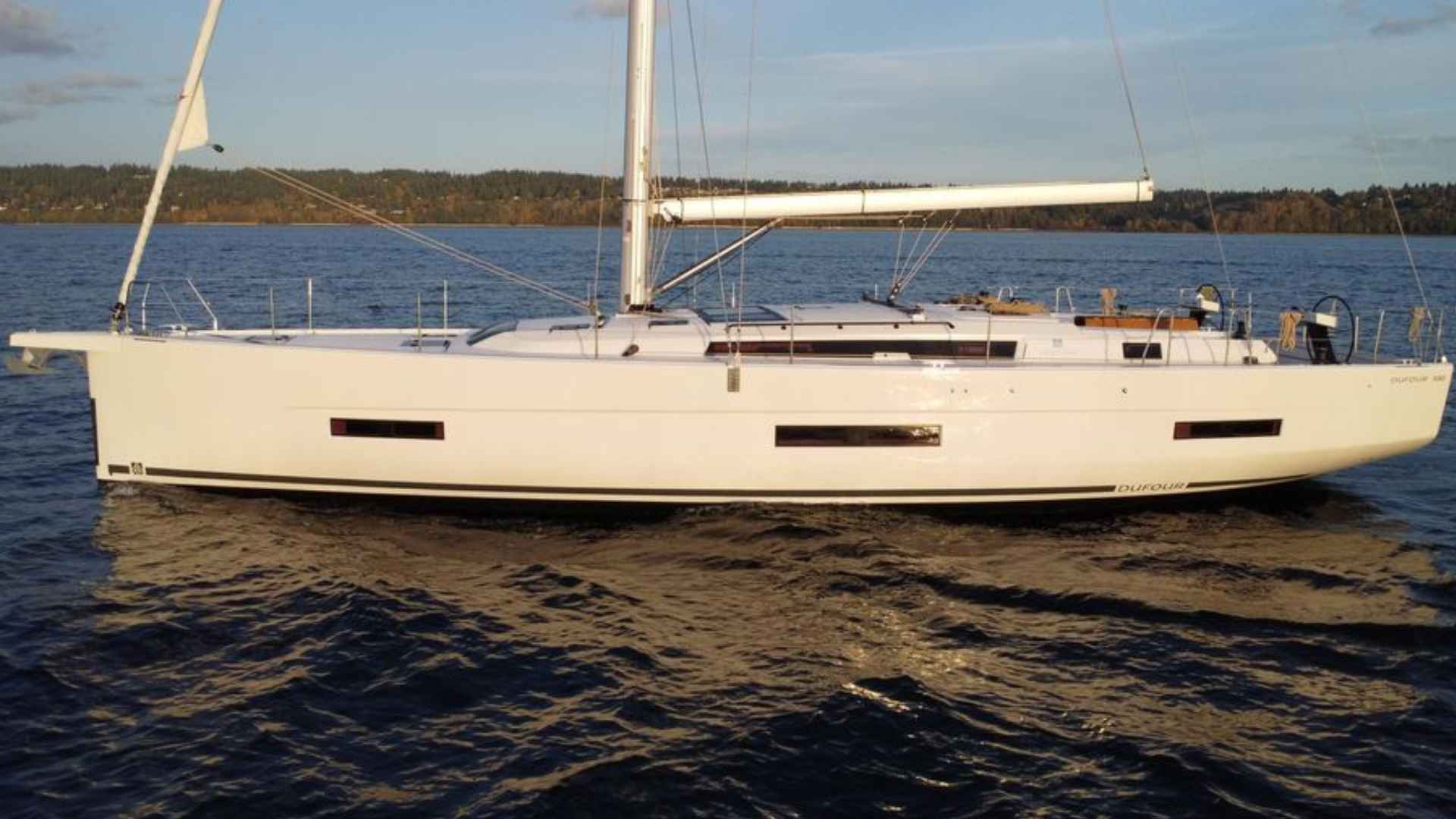
Dufour 530 for sale 2025
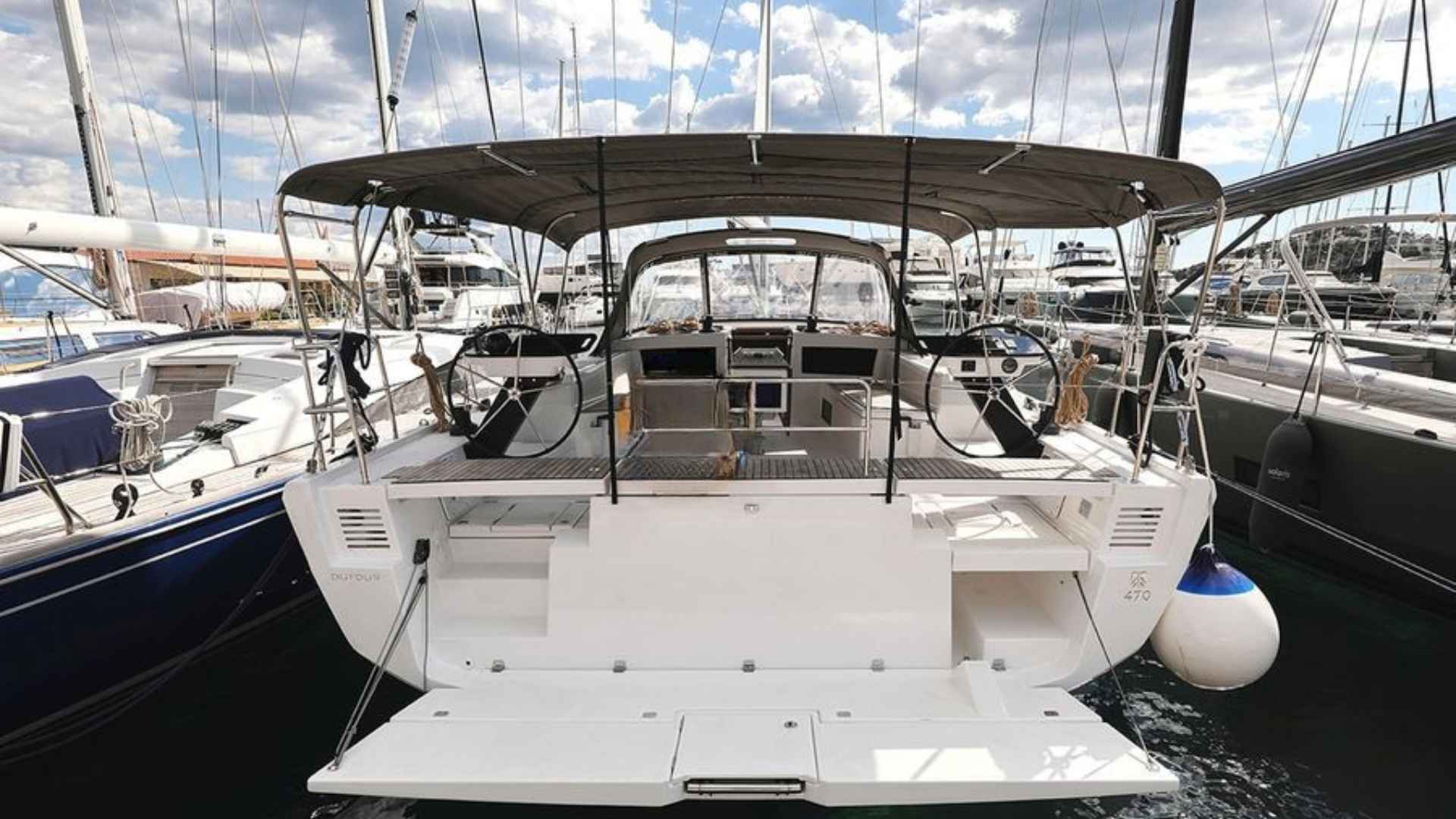
Dufour 470 for sale 2025
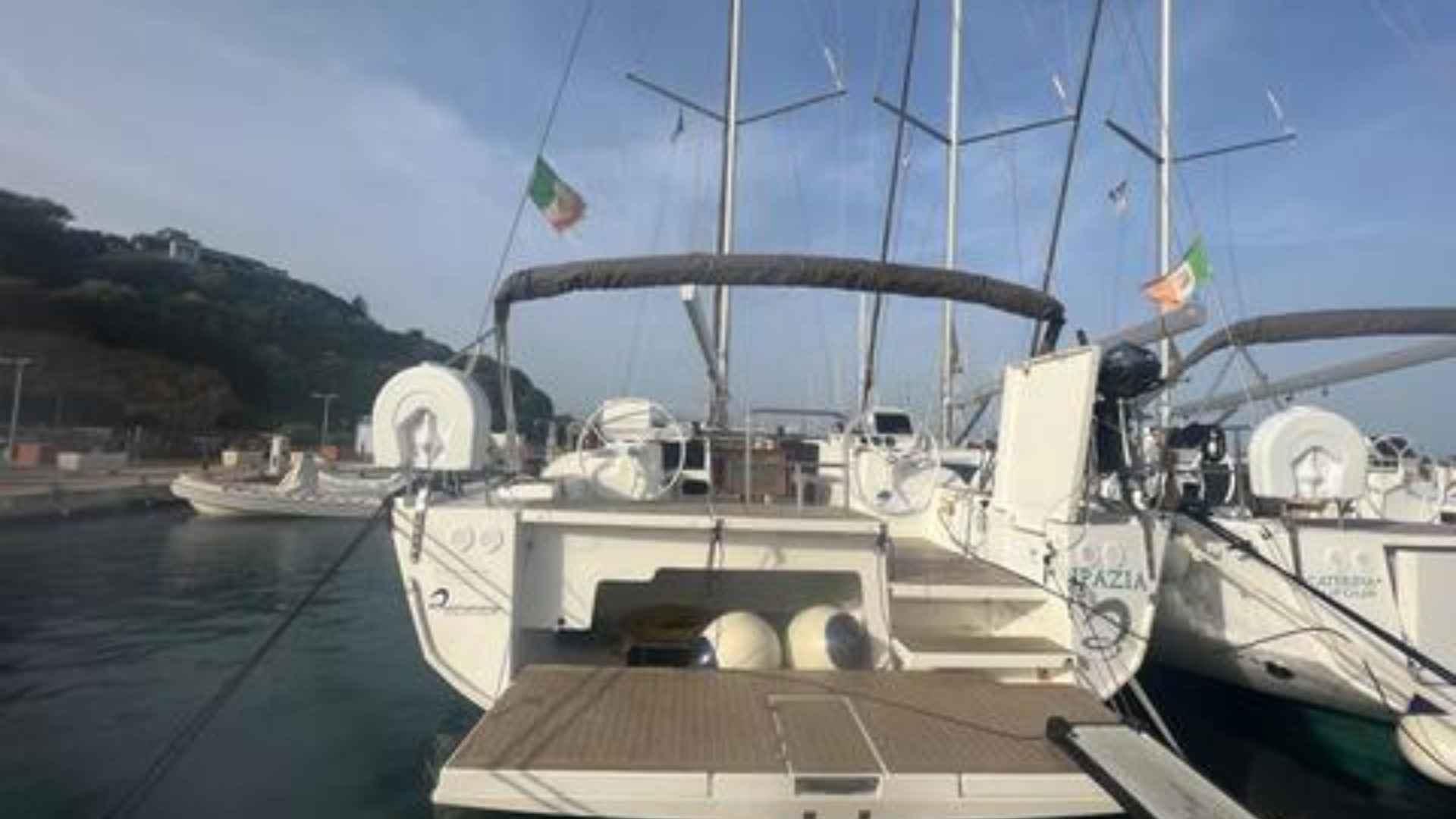
Dufour 56 Exclusive for sale 2018
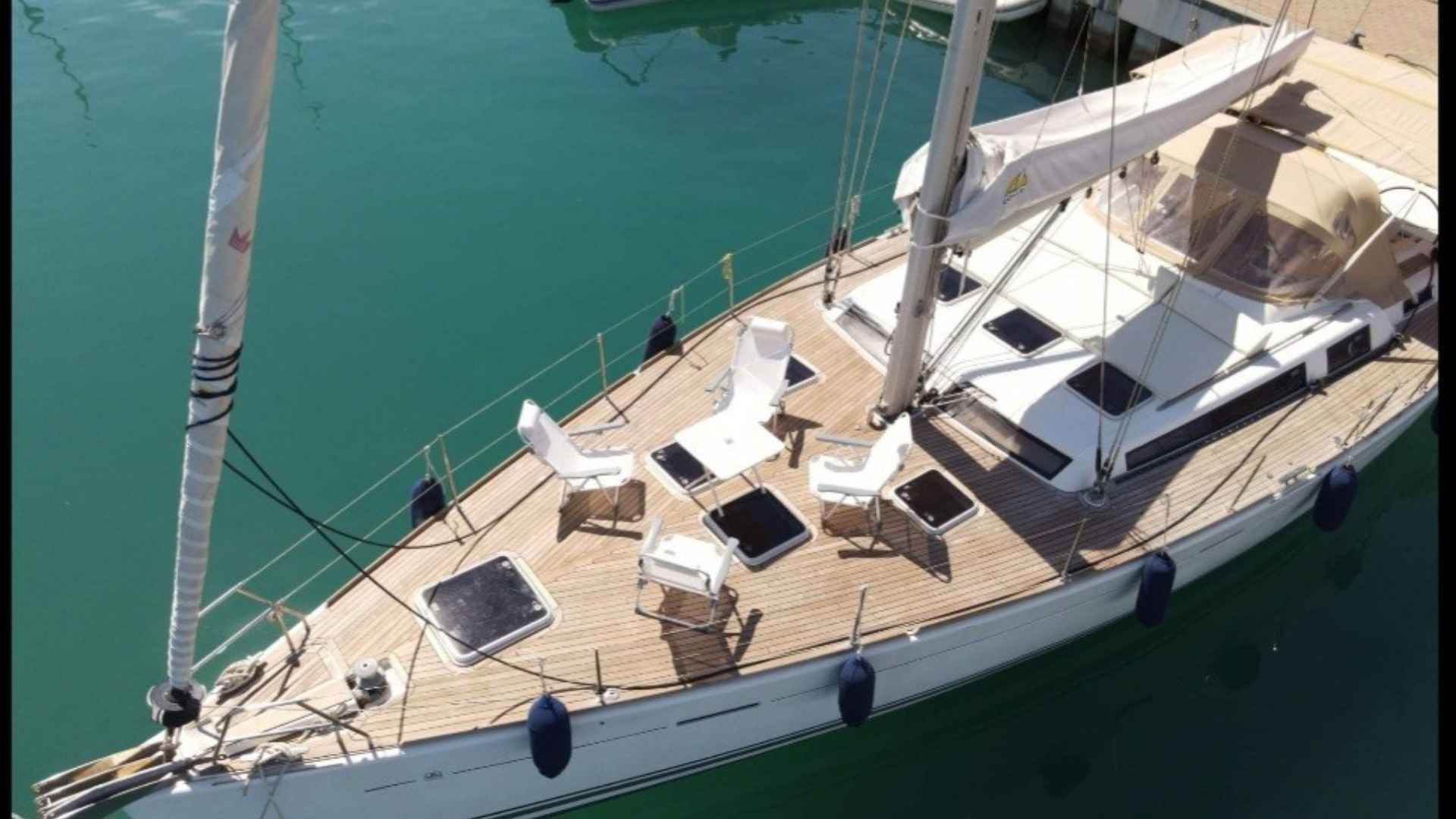
Dufour 520 GL for sale 2018
Dufour for sale across the Mediterranean.
Other sailing yachts brands and resources.
Dufour — frequently asked questions.
What price range do used Dufour yachts typically fall into?
Used Dufour models range from EUR 45,000 for 2000s-era 385s to EUR 180,000-250,000 for recent 412 or 460 models. Current-generation 37s start around EUR 200,000, while 470s and 530s range EUR 350,000-600,000 depending on specification and age.
How does Dufour compare to Beneteau and Jeanneau?
Dufour positions slightly upmarket with better sailing performance and build detailing than volume Beneteaus or Jeanneaus. Prices run 5-10% higher new, but used values are similar. Dufour emphasizes sailing ability; Beneteau/Jeanneau prioritize interior volume.
What are common issues with older Dufour models?
Pre-2010 models require inspection of deck-to-hull joints, keel bolts, and seacock integrity. Some Bavaria-era models (mid-2000s) had hull-liner bonding issues. Check standing rigging on boats over eight years old and verify through-hull condition on all used purchases.
Which Dufour model is best for Mediterranean cruising?
The Dufour 37 and 41 offer the best balance of performance, accommodations, and running costs for Mediterranean cruising. The 470 suits extended liveaboard use. The 32 works for couples prioritizing sailing over space. All feature twin helms and swimplatforms suited to the region.
Are Dufour yachts good for bluewater sailing?
Current Dufour models are capable coastal and offshore cruisers, not dedicated bluewater passage-makers. The 530 and 61 have appropriate systems and construction for Atlantic crossings with proper preparation. Smaller models suit coastal and island-hopping work best.
What is the annual cost of owning a Dufour 41?
Expect EUR 18,000-28,000 annually for a Dufour 41 in the Mediterranean, including marina fees (EUR 8,000-15,000), insurance (EUR 1,500-2,500), maintenance (EUR 4,000-6,000), haulout and antifouling (EUR 2,500-3,500), plus equipment replacement reserves.
Where is the best market to buy a used Dufour?
France, Spain, and Italy have the largest used Dufour inventory due to proximity to La Rochelle production and strong Mediterranean charter fleets. Greece and Croatia offer charter-exit models. Northern European markets have fewer listings but sometimes better-maintained examples.
Has the Hanse Group ownership improved Dufour quality?
Since Hanse acquired Dufour in 2019, parts availability and dealer support have improved through shared supply chains. Build quality on 2020-forward models shows consistency benefits. Long-term reliability data is still accumulating, but initial market response is positive.
Ready to find your Dufour?
Browse the live inventory above, drill into a specific model, or talk directly to a vetted broker. No middlemen, no lead-generation pay-walls.