Catamarans for sale in Italy.
Sailing and power catamarans listed by vetted brokers — Lagoon, Fountaine Pajot, Bali, Leopard, Catana and more. Across Sardinia, Liguria, Naples, Sicily and the Amalfi Coast. Italy's catamaran market favours private owners and high-spec inventory. Every listing verified, every broker vetted.
Why Italy is the premium end of the Mediterranean catamaran market.
Italy holds a smaller catamaran market than Spain or France by volume, but disproportionately premium inventory. Italian yacht ownership is dominated by private cruisers — relatively few Italian-flagged catamarans enter charter fleets, which means the resale market is unusually heavy on well-maintained, owner-operated boats with high-end equipment packages. The cultural baseline expectation of an Italian yacht owner is generator, watermaker, full electronics, hardtop bimini, and immaculate cosmetic condition — features that often cost €30k to €80k extra on Spanish equivalents.
The Italian market splits geographically. Sardinia — particularly Olbia, Cagliari, and Porto Cervo — is the largest Italian catamaran cluster, fed by Costa Smeralda yacht ownership and Mediterranean charter operations. Liguria (Genoa, Imperia, Sanremo) is Italy's historic yachting capital with the deepest brokerage networks. Naples and the Amalfi Coast hold premium inventory at premium prices. Sicily (Palermo, Catania, Marsala) is the value market — strong inventory at typically 5 to 10 percent below mainland prices.
For buyers, Italy is the right choice when condition, equipment, and private-owner provenance matter more than headline price. Inventory is thinner than Spain, but the boats that do appear tend to need less remediation work after purchase. The flip side is the highest IVA rate in the four major Mediterranean markets (22 percent) and a longer registration timeline through the Capitaneria di Porto — both worth factoring into transaction planning.
Catamaran prices in Italy — 2026 ranges by length.
Indicative 2026 ranges for used cruising catamarans in the Italian market. Owner-version (3-cabin) prices; charter-version (4-cabin) typically trades 10 to 20 percent below. Power catamarans add a 15 to 25 percent premium. Italian inventory typically prices 8 to 15 percent above Spanish equivalents, reflecting higher equipment levels and lower charter wear.
On top of the purchase price, budget for IVA (where applicable), survey fees of 0.3 to 0.8 percent of value, legal fees of €1,000 to €3,500, and Capitaneria di Porto registration. See our complete catamaran prices guide for the full picture.
Catamarans for sale in Italy right now.
7 verified catamarans currently listed in Italy by vetted brokerages. Showing the 7 most recent — see all on the marketplace.
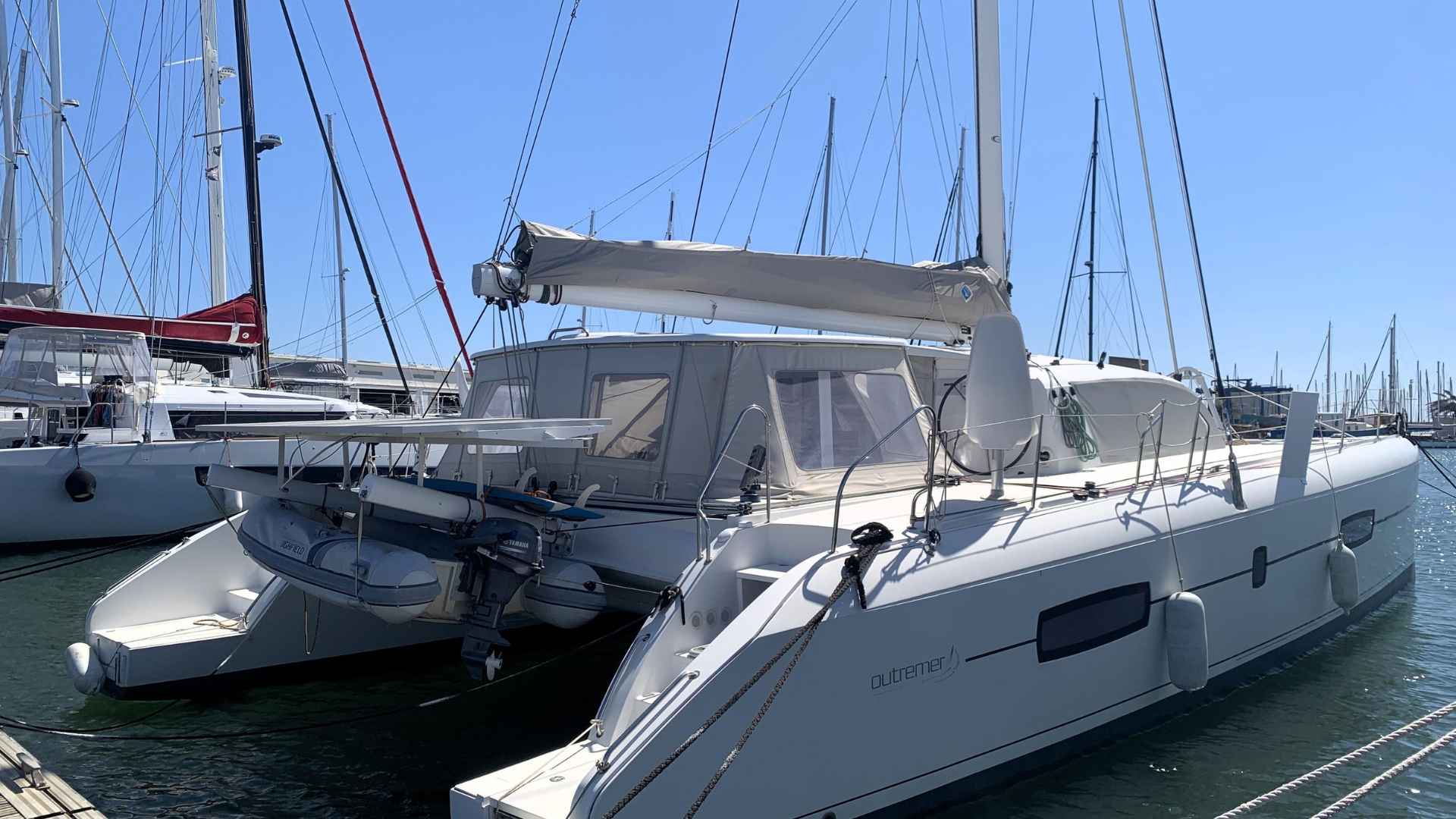
Outremer 51 for sale 2013
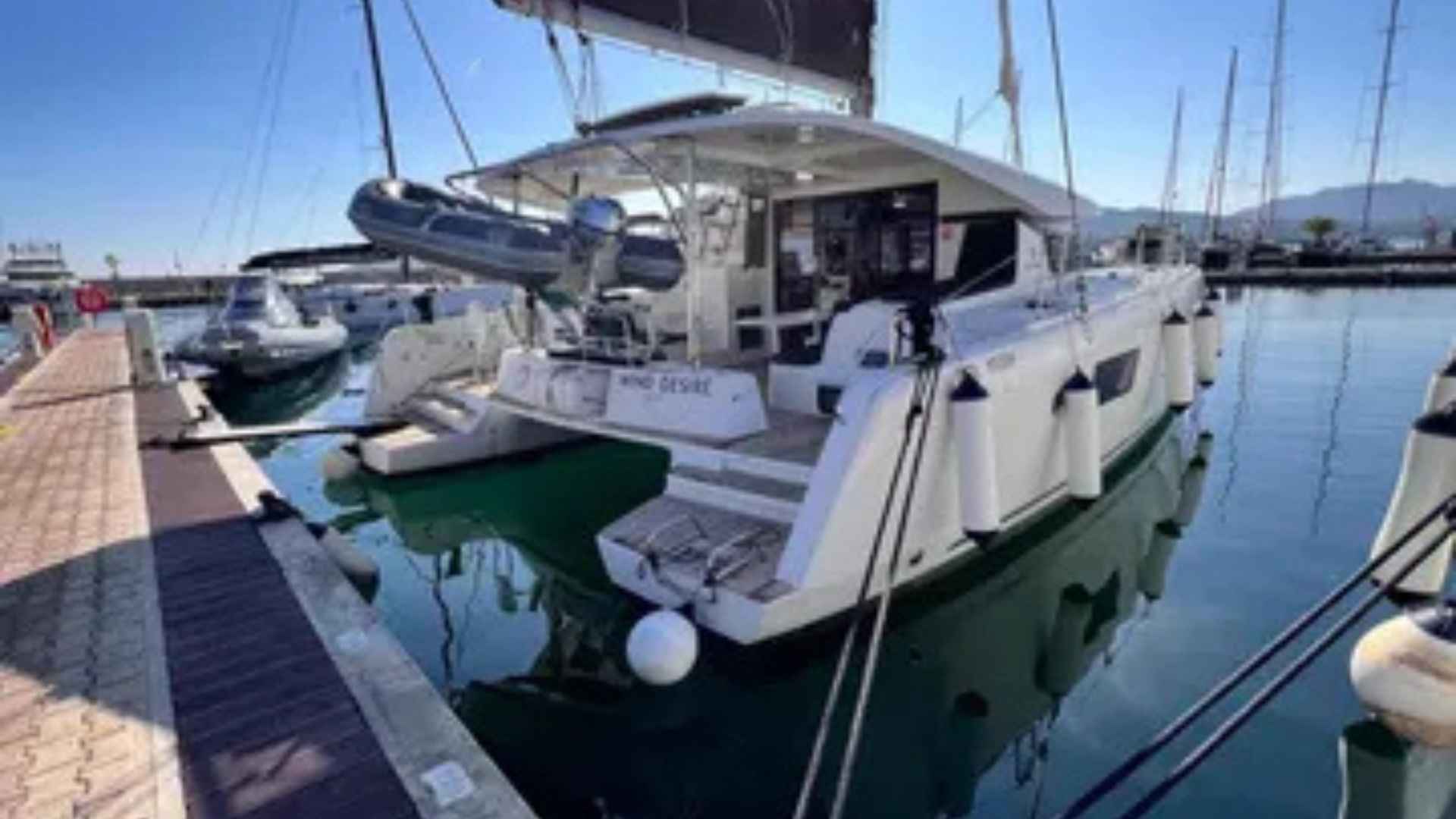
Lagoon 42 for sale 2018
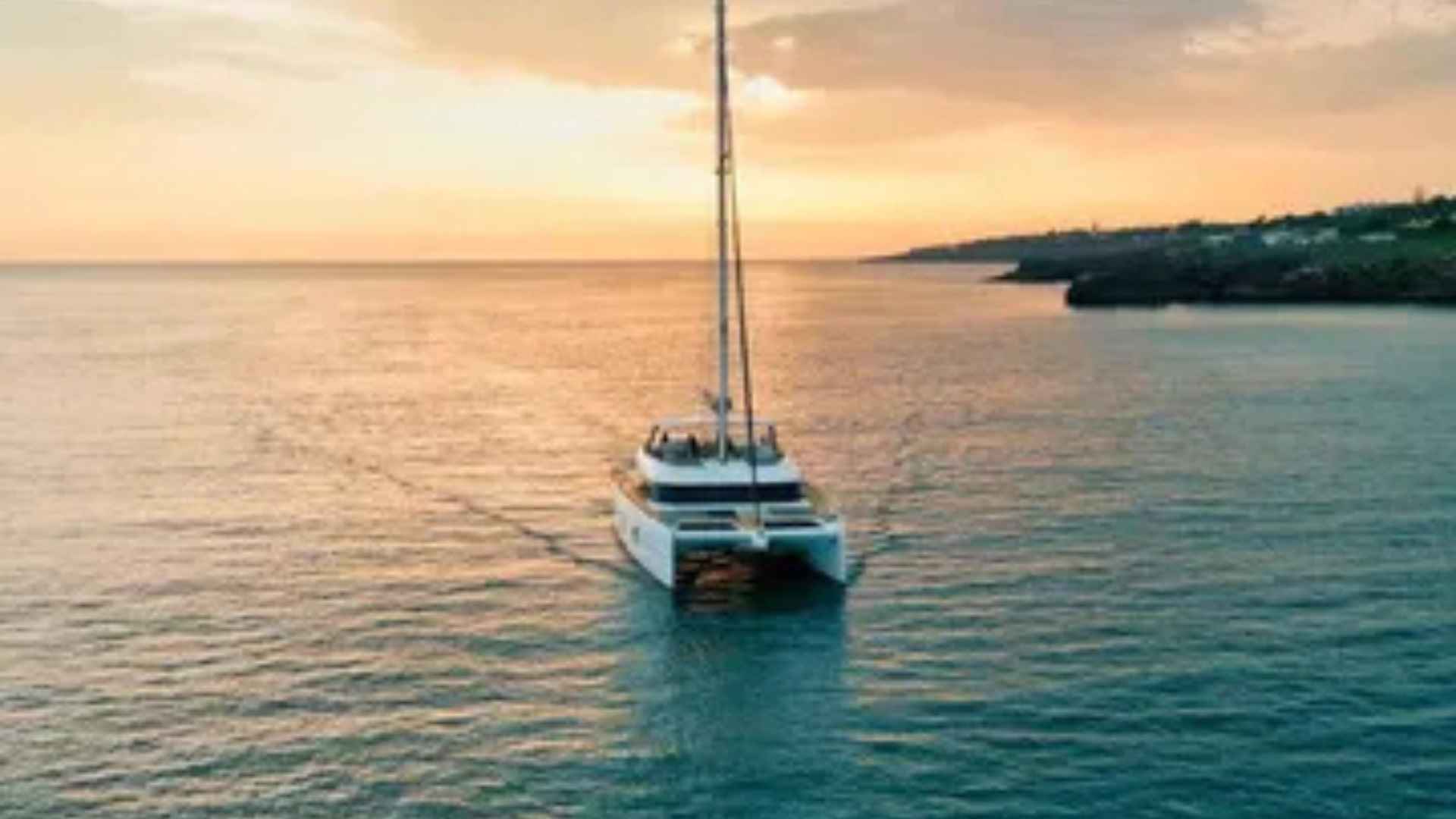
Sunreef 60 A Galley-up for sale 2018
Lagoon 42 for sale 2024
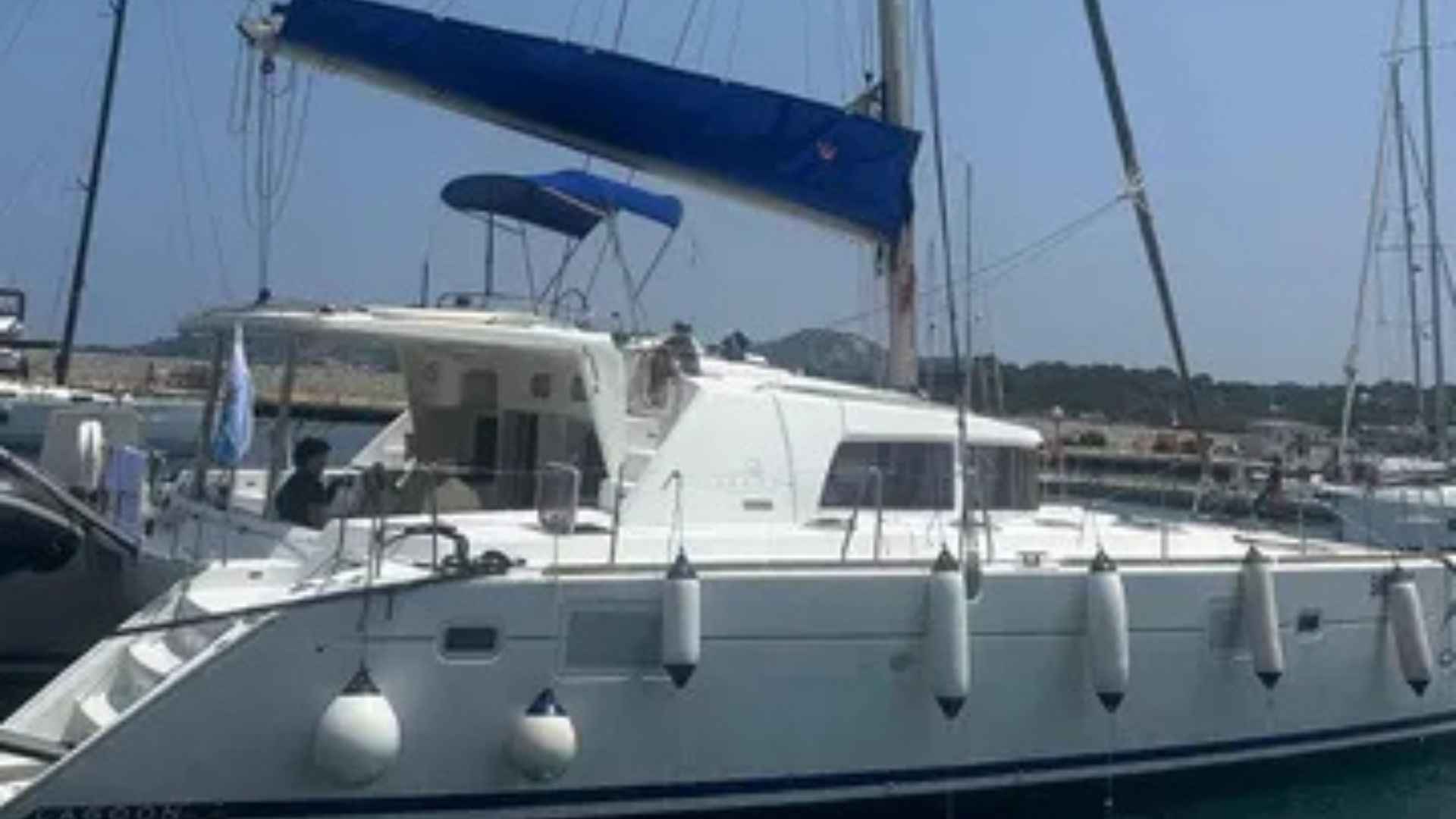
Lagoon 440 for sale 2008
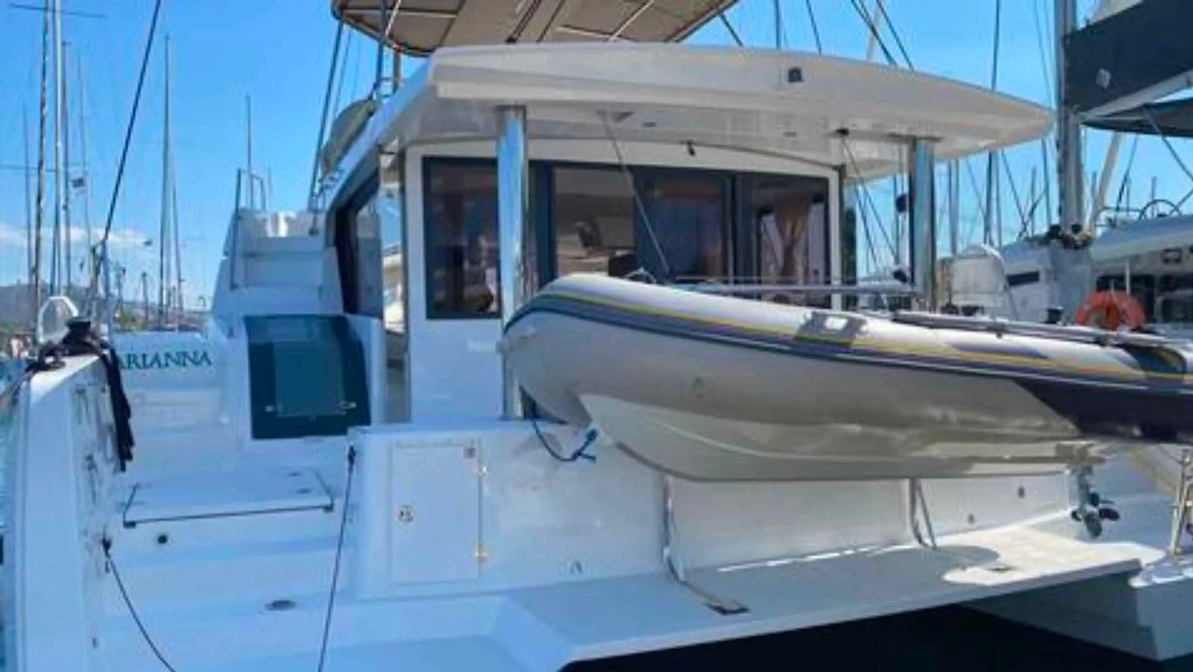
Bali 4.8 for sale 2021
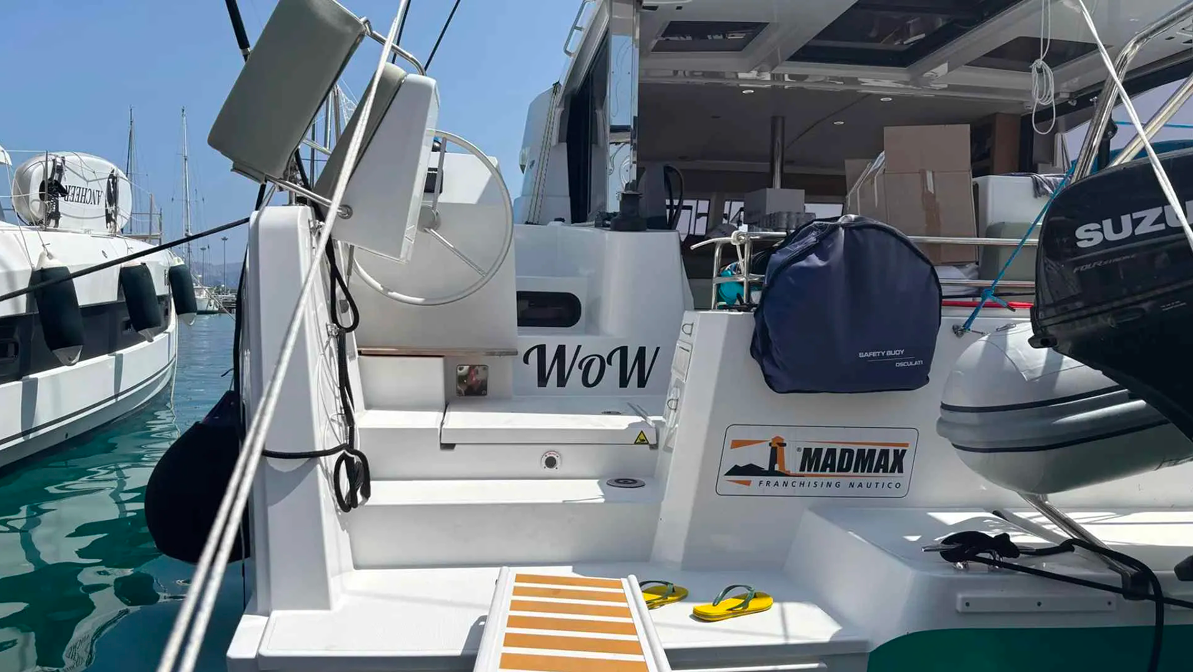
Bali Catsmart for sale 2024
Top catamaran brands currently for sale in Italy.
Where to view catamarans for sale across Italy.
Italian catamaran inventory clusters by region. Sardinia (Olbia, Cagliari, Porto Cervo) is the largest single cluster — Costa Smeralda money concentrates ownership here. Liguria (Genoa, Imperia, Sanremo) is the historic Italian yachting capital with the deepest broker networks and the easiest viewing logistics for buyers flying into Genoa or Nice. Naples and the Amalfi Coast hold premium inventory at premium prices. Sicily offers the best value at 5 to 10 percent below mainland equivalents.
What to look for when buying a catamaran in Italy.
Equipment package value
Italian inventory tends to come with comprehensive equipment — generator, watermaker, hardtop, full electronics, hydraulic gangway. Verify the equipment is serviced and current, not just present. A 10-year-old generator with no service history is a €4k to €8k problem waiting to happen. Italian boats often justify their price premium through equipment, but only when that equipment actually works.
IVA documentation
Italy applies the highest standard IVA rate in the four-country market at 22 percent. Demand a valid IVA-paid invoice from the original sale or equivalent EU VAT-paid certificate before signing. Missing IVA history creates a 22 percent contingent liability — the steepest in the Mediterranean. An Italian maritime lawyer should verify status as part of due diligence.
Leasing Nautico history
Some Italian catamarans were originally purchased through Leasing Nautico structures to reduce IVA. If buying a boat with this history, verify the lease has been properly closed out and IVA reconciled. Unclosed leasing structures can transfer tax liabilities to the new owner. This is rare on used catamarans but worth checking on yachts above €1M.
Survey on the hard
Catamarans must be surveyed out of the water. Saildrives, rudder bearings, hull integrity at the bridge deck, and any history of grounding all need direct inspection. Budget €2,000 to €4,000 for a full catamaran survey in Italy, plus haul-out fees of €600 to €1,800. Liguria and Sardinia have the most experienced catamaran surveyors.
Capitaneria di Porto registration
Italian boat registration runs through the local Capitaneria di Porto and can be slower than Spanish or French equivalents — typically 3 to 6 weeks for a full transfer. If you need the boat operational quickly, factor this into the closing timeline. Many non-resident buyers switch to a faster flag (Maltese, Belgian, British) as part of the purchase to avoid the Italian registration delay.
Use a local broker who speaks the market
The Italian yacht market relies heavily on personal relationships and broker reputation — more than Spain or France. A local Italian broker knows the seller, knows the boat's real history, and can verify equipment and maintenance claims that look opaque from outside. For non-Italian buyers, this is non-negotiable. Buyer's broker fees are typically paid via co-brokerage, costing the buyer nothing extra.
More catamaran resources.
Catamarans for sale in Italy — frequently asked questions.
How much does a catamaran cost in Italy?
Used cruising catamarans in Italy typically range from €220k for an older 38 to 42-foot model up to €900k for a recent 50-foot Lagoon or Fountaine Pajot, and €1.4M and above for new or near-new 55 to 65-foot catamarans. Italian inventory tends to price 8 to 15 percent above Spanish equivalents because of strong private-owner culture, lower charter exposure, and high-spec equipment packages typical of Italian yacht owners.
Where in Italy are most catamarans sold?
Sardinia (Olbia, Cagliari, Porto Cervo) is the largest Italian catamaran market, driven by Costa Smeralda yacht ownership. Liguria (Genoa, Imperia, Sanremo) is the historic Italian yachting capital with deep brokerage networks. Naples and the Amalfi Coast hold premium private inventory. Sicily (Palermo, Catania, Marsala) offers value pricing. Tuscany (Viareggio, Livorno) and Lazio round out the Italian market.
What VAT (IVA) applies when buying a catamaran in Italy?
Italy applies IVA at 22 percent on new catamarans and on commercial sales — the highest standard rate in the four major Mediterranean markets. Used catamarans sold privately between individuals are not subject to IVA again provided the boat carries valid IVA-paid documentation from a previous EU sale. Some Italian yacht buyers historically used Leasing Nautico structures to reduce effective IVA, though these are now tightly regulated and require specialised legal advice.
What is Leasing Nautico and is it relevant for catamaran buyers?
Leasing Nautico is an Italian financial structure where a leasing company technically owns the boat and leases it to the user, historically used to reduce effective IVA on new yacht purchases by reflecting non-EU navigation time. The structure is now restricted to commercial use and is rarely worthwhile for private cruising catamarans. It remains common for new high-value yacht purchases above €1M where the IVA savings can justify the legal and financial complexity.
Can a non-resident buy a catamaran in Italy?
Yes. Non-residents can buy catamarans located in Italy without restriction. The Italian flag is generally available to EU residents; non-EU buyers commonly use Maltese, British, Polish, or Belgian flags. The Italian registry has specific documentation requirements. An Italian maritime lawyer should structure the transaction, particularly around IVA verification and registration transfer.
How long does buying a catamaran in Italy take?
Typically 8 to 12 weeks from accepted offer to closing — slightly longer than Spain or France due to Italian Capitaneria di Porto registration timelines. The process includes survey and sea trial (1 to 2 weeks), legal due diligence and IVA verification (3 to 4 weeks), payment and registration transfer (3 to 5 weeks), and any flag change paperwork.
Ready to find your catamaran in Italy?
Browse the live inventory above, or talk directly to a vetted broker. No middlemen, no lead-generation pay-walls. The brokers behind every listing are the people you'll actually deal with.